

Overview
Effective coaching is crucial for swimming development, transforming novices into competitive athletes by assessing skills, tailoring training, emphasizing technique, providing motivation, and educating on nutrition. Coaches also utilize technology and foster a supportive community, helping swimmers build resilience and a lifelong love for the sport.
Frequently Asked Questions
1. What is the role of coaches in swimming development?
2. How do coaches assess swimmers' skill levels?
3. Why is proper technique important in swimming?
4. How do coaches incorporate technology into swim coaching?
5. What impact does nutrition have on swimming performance?
Swimming is more than just a physical activity; it’s a skill that requires dedication, practice, and, most importantly, guidance. At Aqtiva Aqua, we understand that effective coaching can transform a novice swimmer into a competitive athlete. This article will delve into the essential role that coaches play in swimming development, and how they contribute to not just improving technique but also fostering a love for the sport. We will explore various aspects of coaching and the tools, such as quality swim goggles, that can enhance the training process.
The Foundation of Swim Coaching
At the core of successful swimming development lies effective coaching. This starts from understanding the fundamental concepts of swimming, including technique, endurance, and safety. Coaches work to establish a strong foundation by:
- Assessing Swimmers’ Skill Levels
- Tailoring Training Plans
- Emphasizing Fundamentals and Techniques
Assessing Swimmers’ Skill Levels
Before diving into training plans, a coach must assess each swimmer's current skill level and abilities. This involves conducting evaluations through drills, technique analyses, and personal interviews. By understanding the baseline capabilities, coaches can identify areas for improvement and create customized training programs that address each swimmer's unique needs.
Tailoring Training Plans
Every swimmer progresses at their own pace, which is why a one-size-fits-all program simply cannot work in the realm of swim coaching. Coaches take individual assessments into account and design personalized training plans that allow swimmers to build on their strengths while working on their weaknesses. This specificity in training fosters quicker progress and inspires confidence in swimmers of all ages.
Emphasizing Fundamentals and Techniques
Proper technique is crucial in swimming, which is why coaches prioritize drills that emphasize basic skills. Coaches provide swimmers with focused feedback, helping them to refine their strokes, turns, and finishes. This attention to detail not only increases efficiency in the water but also reduces the risk of injuries stemming from poor form.
Motivation and Emotional Support
Beyond technical guidance, coaches play a significant role as motivators and emotional supporters. Swimming can be a daunting sport filled with challenges, and having a supportive coach makes all the difference.
Creating a Positive Training Environment
Champions aren’t born overnight; they are made through hard work and persistence. Coaches strive to foster a safe and inclusive environment where swimmers feel comfortable pushing their limits. By setting realistic expectations and recognizing achievements, coaches can effectively motivate swimmers to reach their goals—whether they are aiming to complete their first lap or qualify for a championship.
Building Resilience
In swimming, setbacks are inevitable. Coaches often work with swimmers to develop mental resilience. Whether it's managing anxiety before a race or learning how to bounce back from a disappointing performance, coaches guide athletes in maintaining a positive mindset and moving forward with determination.
The Use of Technology in Swim Coaching
In recent years, technology has revolutionized the way coaches train swimmers. From advanced swim goggles to performance tracking apps, innovations play an essential role in facilitating skill progression.
High-Quality Swim Goggles for Optimal Performance
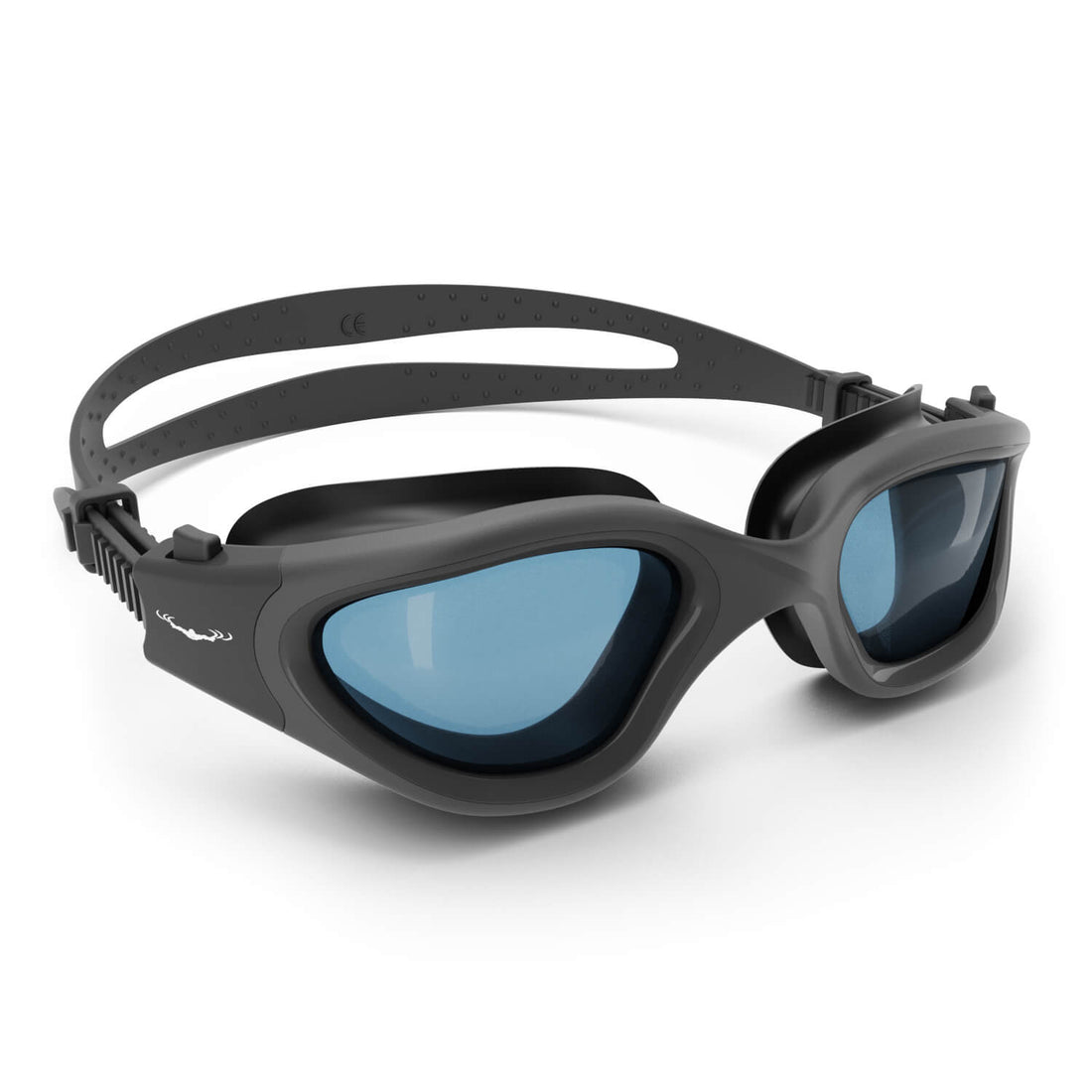
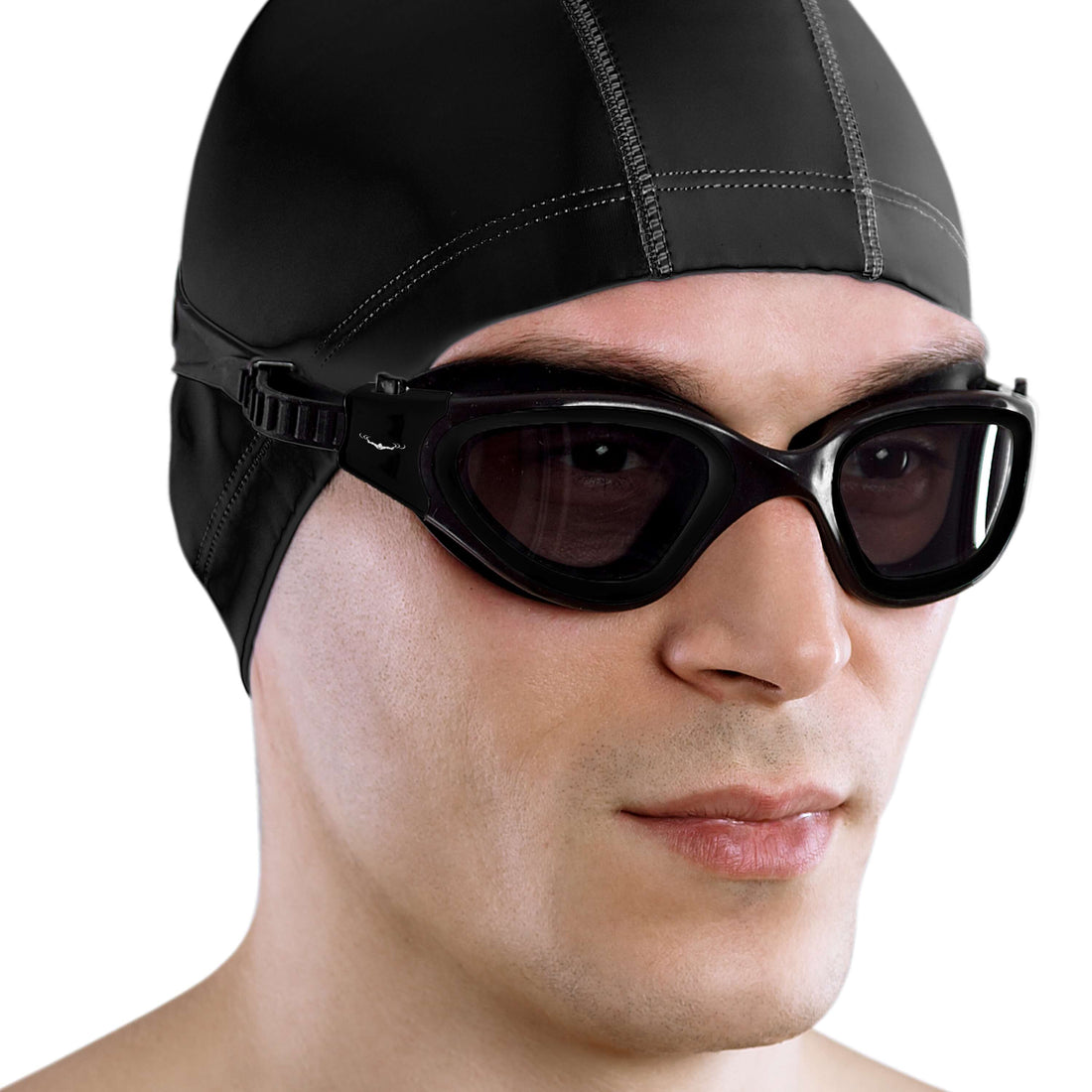
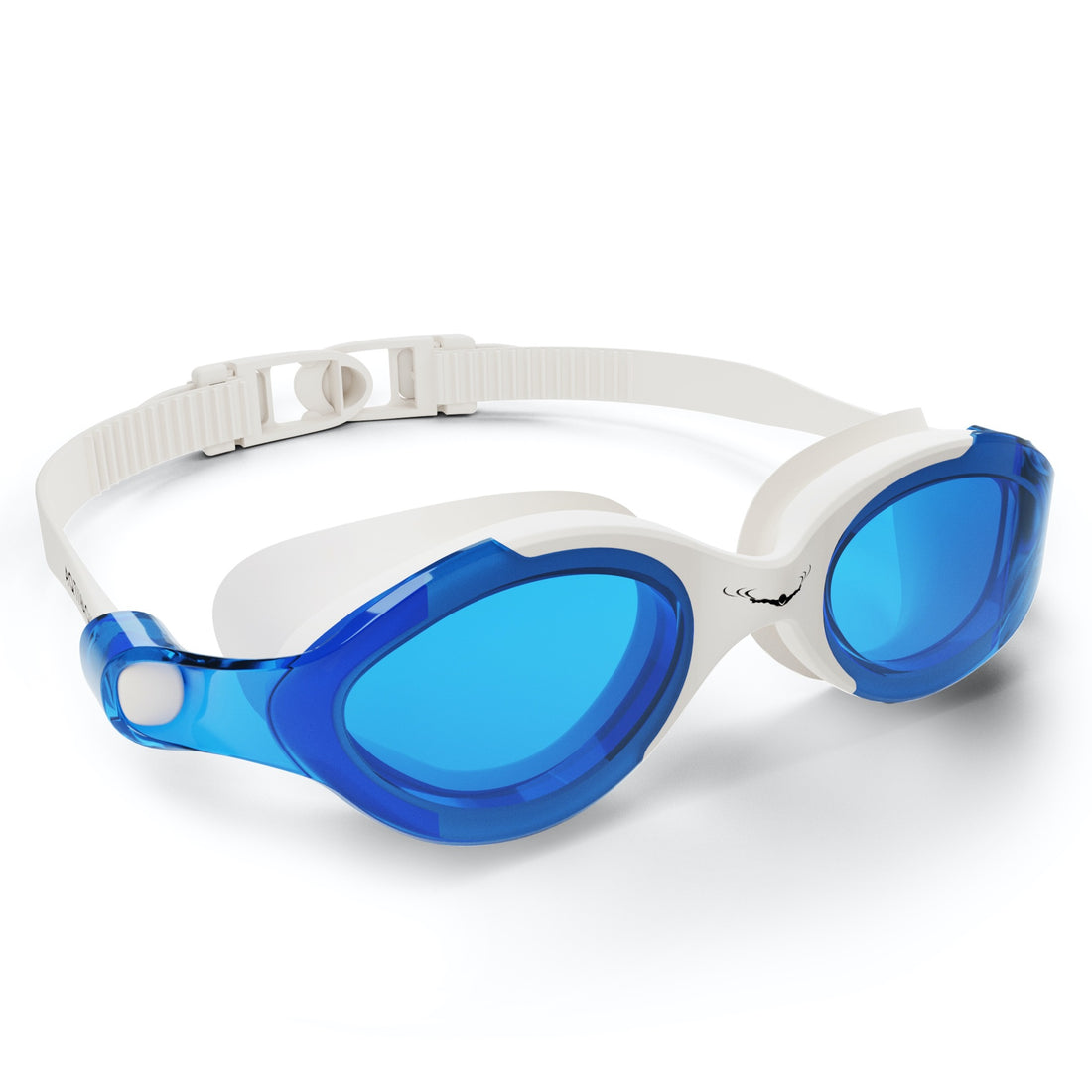
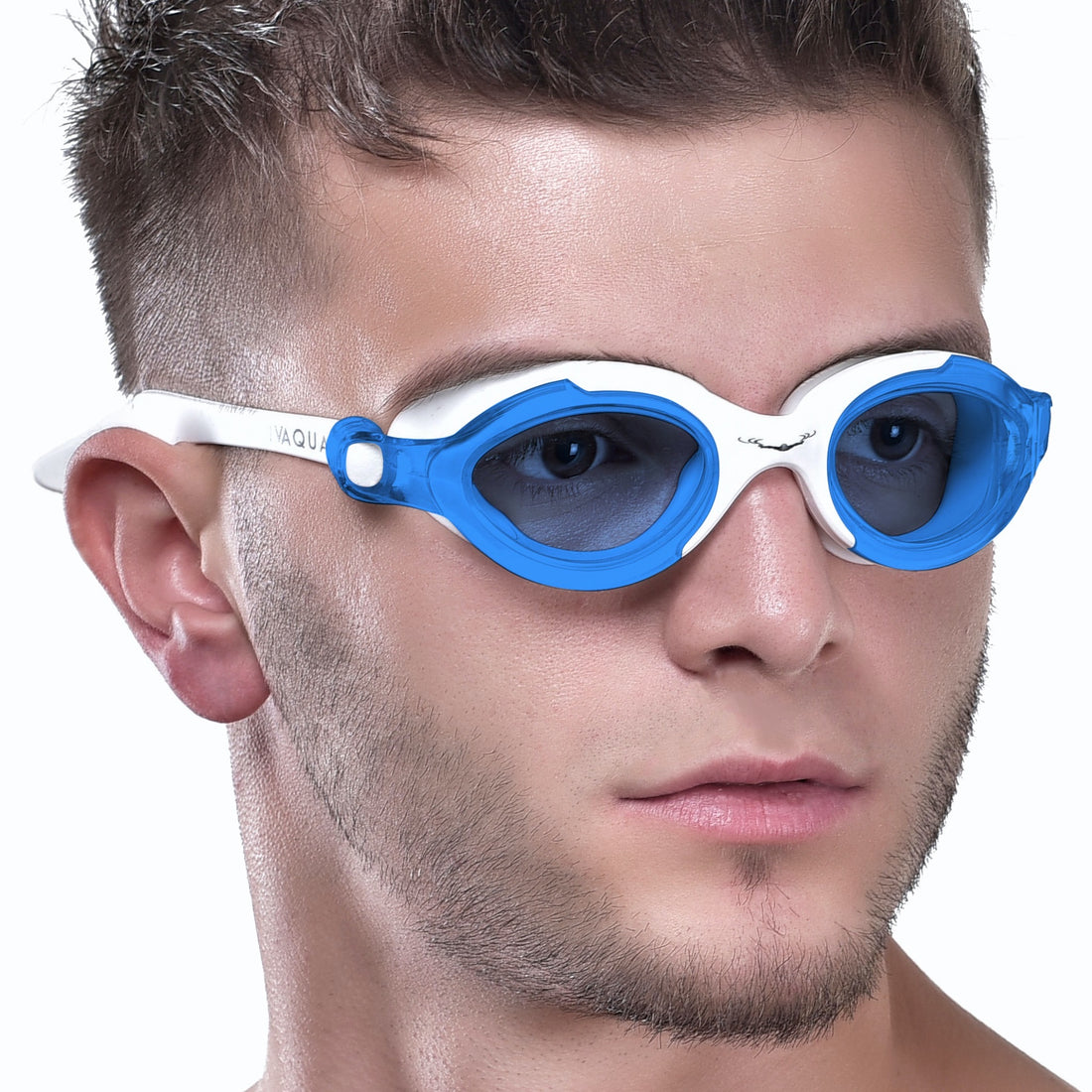
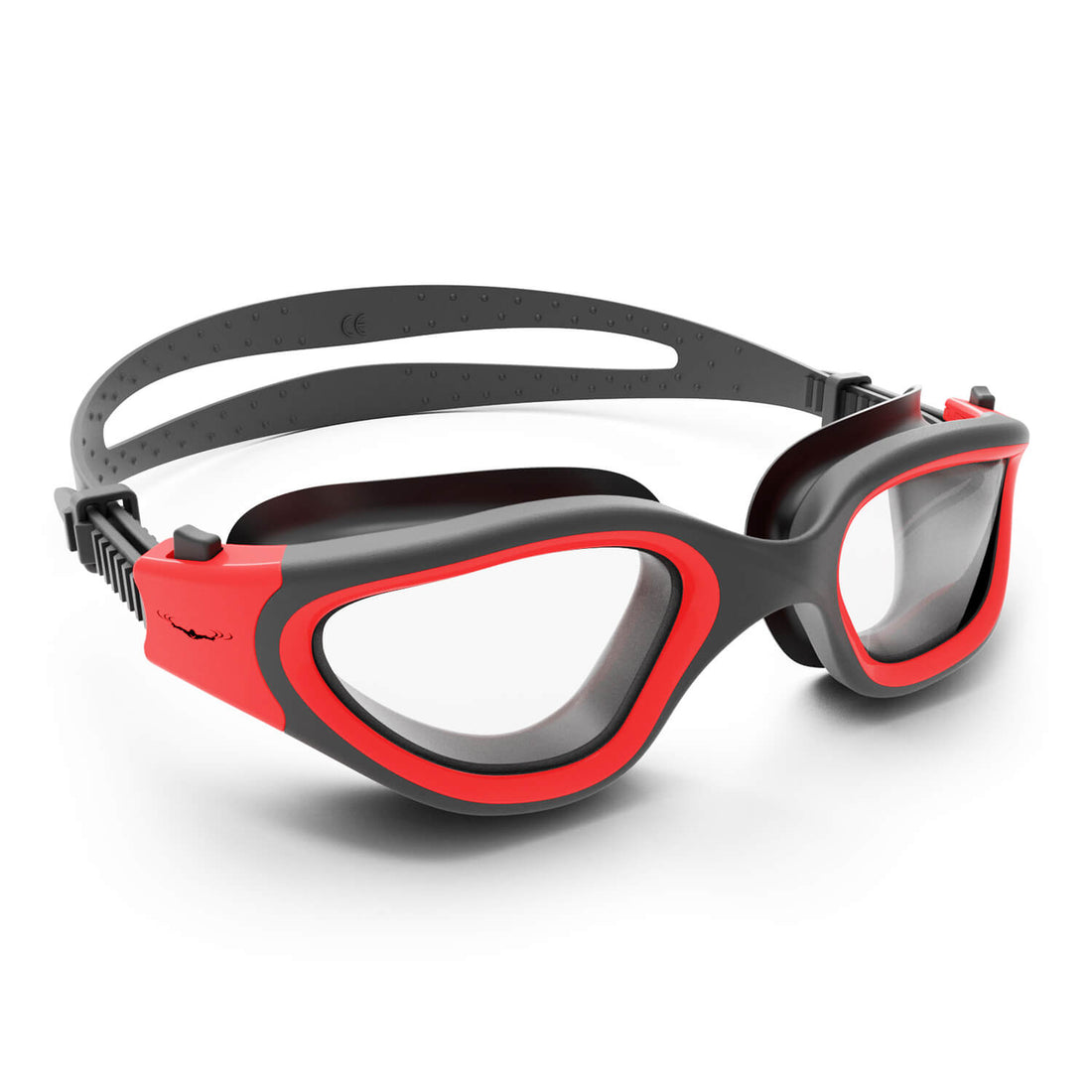
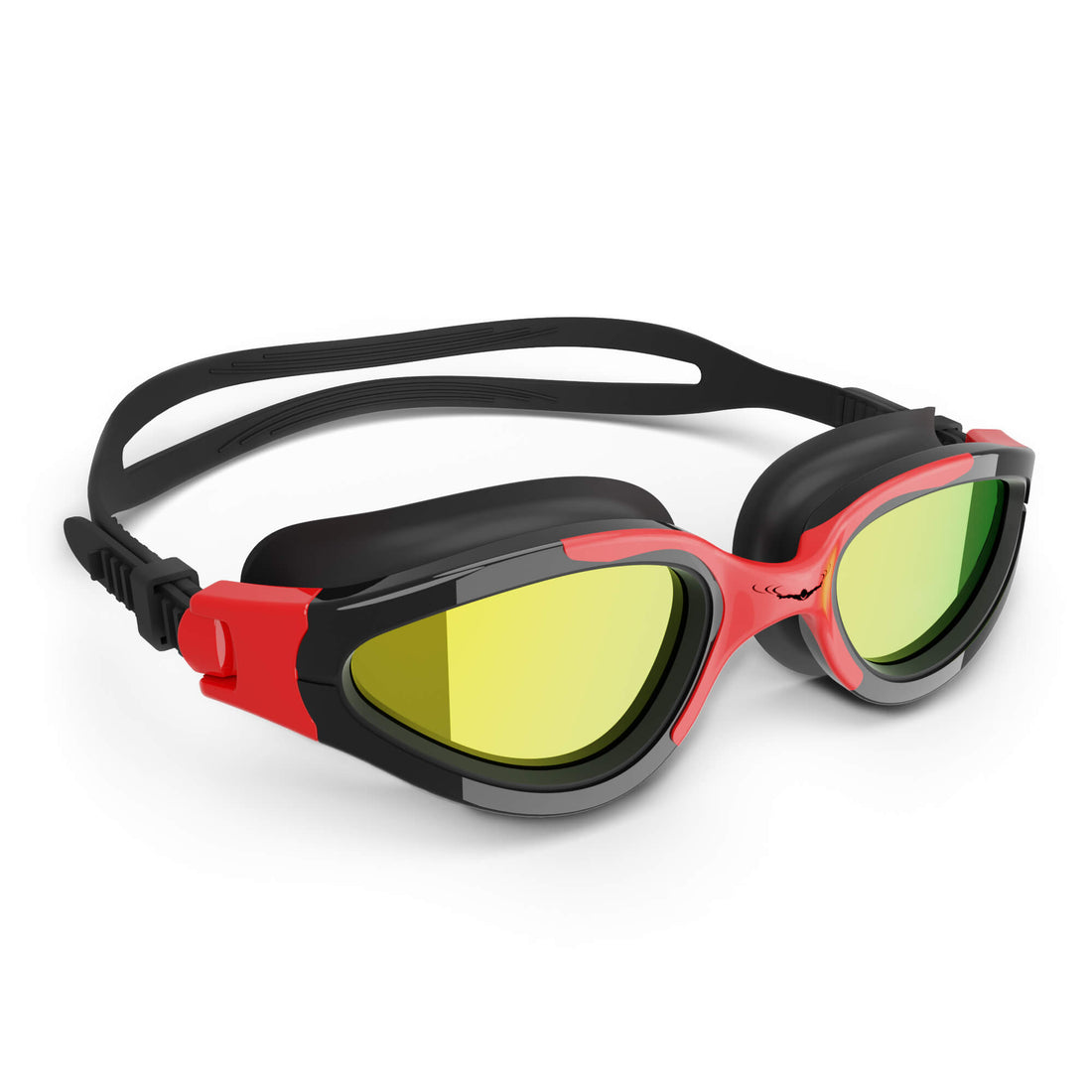
One of the most critical tools for swimmers are high-quality swim goggles. Coaches often recommend anti-fog swim goggles to enhance visibility and comfort during training and competitions. Anti-fog technology ensures that swimmers can focus on their performance without disruptions from foggy lenses. This small yet significant detail can ultimately lead to improved results!
Video Analysis
Another technological advancement in swim coaching is the use of video analysis. Coaches can record swimmers’ performances and review video footage with them. This provides visual feedback that helps swimmers understand their technique better and make necessary adjustments. With the aid of technology, coaches can highlight areas for improvement more effectively.
The Importance of Nutrition
Coaches are also responsible for educating swimmers about proper nutrition. While training and technique are crucial, what swimmers consume significantly impacts their performance. Coaches can guide athletes in understanding the basics of sports nutrition, including:
- Hydration
- Carbohydrate Intake
- Protein Requirements
Hydration
Staying hydrated is essential for any athlete, especially swimmers who can lose significant amounts of fluid during workouts. Coaches help swimmers develop a hydration strategy that maintains optimal performance levels throughout their training sessions and races.
Carbohydrate Intake
Carbohydrates serve as the primary source of energy for swimmers. Coaches emphasize the importance of incorporating healthy carbs into the diet while educating athletes about timing and portion sizes. This ensures that swimmers sustain their energy during rigorous training routines.
Protein Requirements
Protein plays a vital role in muscle recovery. Coaches often encourage swimmers to incorporate protein-rich foods into their diet to support muscle repair and growth after workouts. Understanding proper nutrition allows athletes to perform at their best both in the pool and in competitions.
Competition Preparation
As swimmers progress, the led to competitions can benefit significantly from the guidance of coaches. A skilled coach will help athletes prepare for events through a combination of strategy, motivation, and mental conditioning.
Race Strategy Development
Every race is different, and understanding when to apply tactics can make a considerable difference in performance. Coaches collaborate with swimmers to develop race strategies based on the swimmer's strengths and the specific race environment. Preparation might include pacing strategies, starting techniques, or even mental cues to maximize their effectiveness in competition.
Building a Competitive Mindset
Success in competitive swimming isn't solely dependent on physical conditioning; it's also about mindset. Coaches work with swimmers on mental preparation techniques, including visualization and positive self-talk, to cultivate a competitive mindset. A swimmer's mental state often dictates their performance, and a coach’s support in this area can be invaluable.
A Lifelong Relationship with Swimming
One of the most rewarding aspects of coaching is witnessing the long-term development of swimmers and their relationship with the sport. Professional coaches can influence swimmers in a multitude of ways, from their initial exposure to swimming all the way through to competitive success.
Fostering Lifelong Skills
Swimming is more than just a sport; it’s a life skill. Coaches work to instill confidence, discipline, teamwork, and perseverance in swimmers. These essential traits often extend well beyond the pool and positively influence athletes in their personal and professional lives.
Creating a Community
Successful swimming programs often cultivate a sense of community. Coaches facilitate strong relationships between swimmers, creating camaraderie that lasts beyond training sessions. This support network helps swimmers grow as individuals while providing encouragement through struggles and successes alike.
Unlocking Your True Potential
In summary, the role of coaching in swimming development cannot be overstated. From assessing individual skill levels to offering psychological support and instilling nutritional knowledge, effective coaches are essential to a swimmer's journey. If you have the right guidance, tools, and strategies in place, you can achieve remarkable feats in the world of swimming. Remember that as you continue to improve, always focus on the joy of the journey and the thrill of progress.
So, as you take your next leap into the pool, consider the invaluable support of a great coach and the benefits of quality swim goggles in enhancing your performance. Embrace the role of a swimmer, and dive headfirst into a bright future filled with aquatic adventures!
Linked Product

DX-MINI Kids Swim Goggles
The DX-MINI Kids Swim Goggles offer a secure and comfortable fit for young swimmers, featuring a soft silicone gasket that minimizes pressure on the face. With impact-resistant lenses that provide clear vision both in and out of the water, these goggles help kids feel confident while exploring their aquatic environment. The vibrant designs encourage children to wear them, making swim time more enjoyable.
View ProductDiscover the creations of a fellow Shopify or Wix store owner. Check out their online store here. Please remember that this is a promotional link, and we are not liable for the content of the linked store.