

Overview
Swimming is a low-impact exercise that significantly benefits bone health by promoting muscle strength, engaging various muscle groups, and stimulating hormone production. Regular swimming can help maintain bone density, especially in older adults, while also reducing stress on joints. To maximize its benefits, combine swimming with weight-bearing exercises and a calcium-rich diet. Don’t let misconceptions deter you; swimming at any pace can enhance your health. Equip yourself with proper gear and start swimming to strengthen your bones!
Frequently Asked Questions
1. How does swimming benefit bone health?
2. Is swimming considered a weight-bearing exercise?
3. What age groups can benefit from swimming for bone health?
4. What misconceptions exist about swimming and bone health?
5. What nutritional recommendations support bone health alongside swimming?
Swimming is an immensely popular and enjoyable activity that many people take part in for fitness, fun, and recreation. However, one aspect of swimming that often goes unnoticed is its significant impact on bone health. As aquatic exercise continues to gain traction, understanding how swimming benefits our skeletal structure can help motivate us to make it a regular part of our routine. Beyond the enjoyment of gliding through water, swimming offers a myriad of health benefits, particularly for our bones.
The Science Behind Bone Health
Before diving into the specific effects of swimming on bone health, it's essential to understand what bone health entails. Bone health refers to the density, strength, and overall structural integrity of our bones. It is influenced by various factors such as diet, lifestyle, age, and physical activity. Bone density naturally decreases as we age, leading to conditions like osteoporosis, which significantly raises the risk of fractures and breaks.
To maintain optimal bone health, regular physical activity is crucial. Weight-bearing exercises, such as running or jumping, are traditionally viewed as the most beneficial for bone strength. However, swimming has its unique advantages that deserve attention.
Why Swimming Matters for Bones
While swimming is not a weight-bearing exercise in the same way that running is, it is an activity that promotes muscle strengthening and improves overall fitness. Muscles and the skeletal system work at a symbiotic level; when one is strengthened, the other benefits as well. Here’s how swimming positively impacts bone health:
Reduced Impact Stress
One of the significant advantages of swimming as exercise is its low-impact nature. When submerged in water, our bodies experience buoyancy, reducing the stress placed on our bones and joints. This is particularly beneficial for individuals suffering from conditions that make high-impact activities difficult, such as arthritis or injury recovery. With lower stress on the bones, swimmers can maintain mobility and strength without the risk of exacerbating existing injuries.
Muscle Engagement
Swimming requires the engagement of various muscle groups, promoting muscle strength and endurance. Increased muscle strength affects bone density positively because muscles pull on bones during movement, stimulating bone formation and maintenance. For example, using different strokes encourages diverse muscle engagement, enhancing resistance against gravity once swimmers exit the water, indirectly benefiting bone health.
Swimming and Hormonal Benefits
Regular swimming can stimulate the secretion of several hormones that play vital roles in bone health. One of the key hormones involved is testosterone, important for maintaining bone density in both men and women. Additionally, swimming can lead to improved levels of growth hormone, further encouraging bone formation and mineralization.
Furthermore, swimming is known to alleviate stress, which can help regulate cortisol levels. High cortisol levels have been linked to bone density issues. Thus, by incorporating swimming into a weekly routine, individuals can enjoy a boon not only for their minds but for their bones as well.
The Importance of Proper Gear
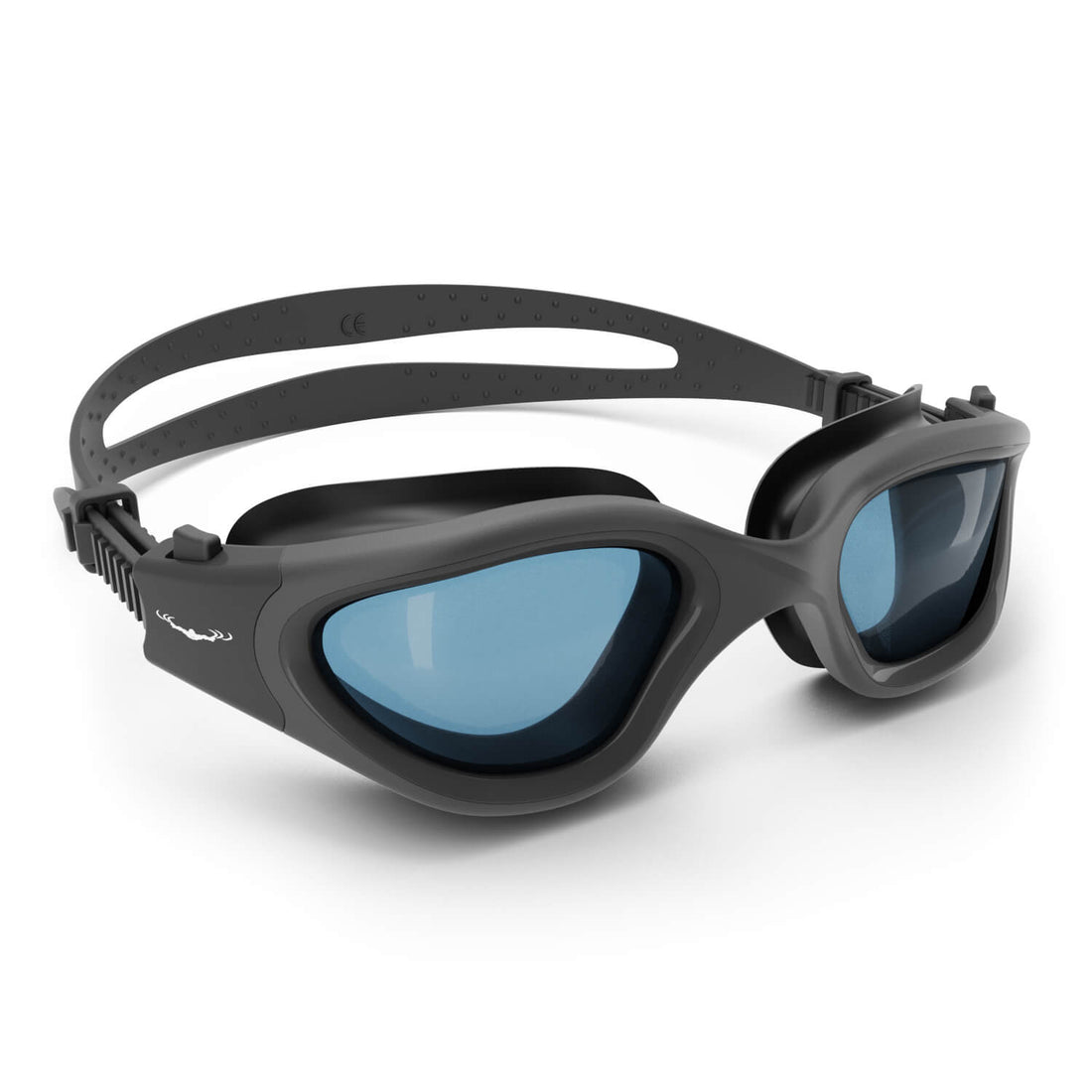
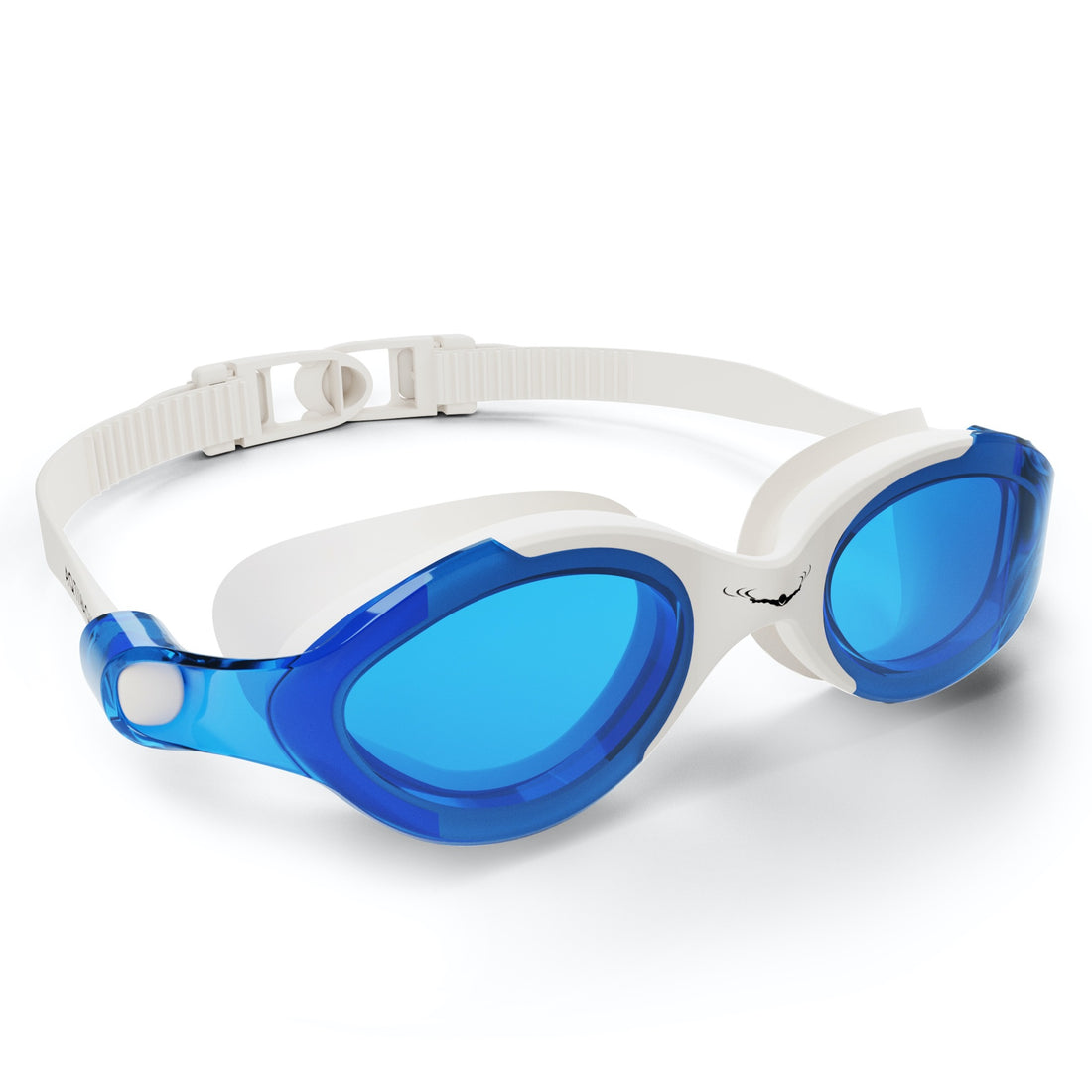
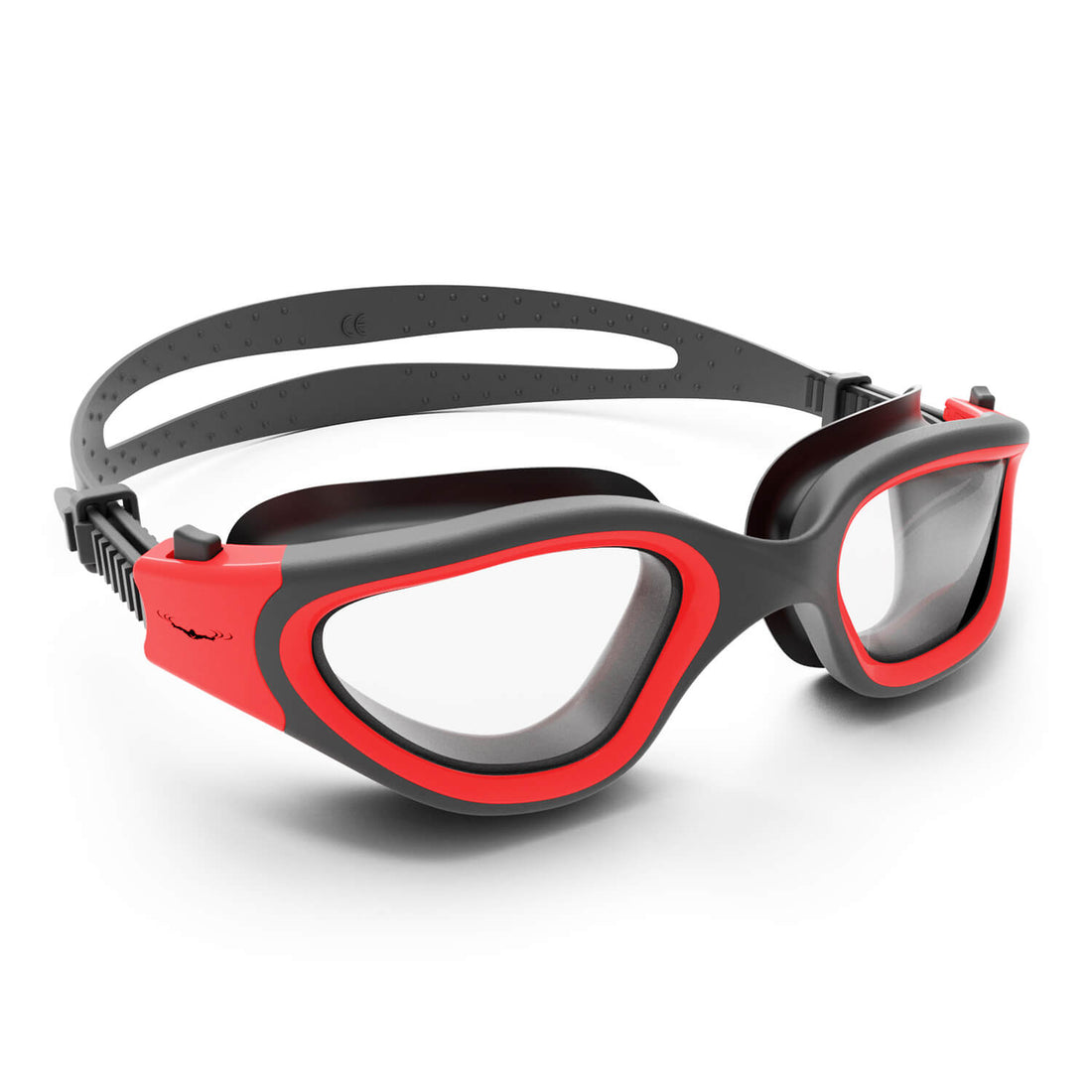
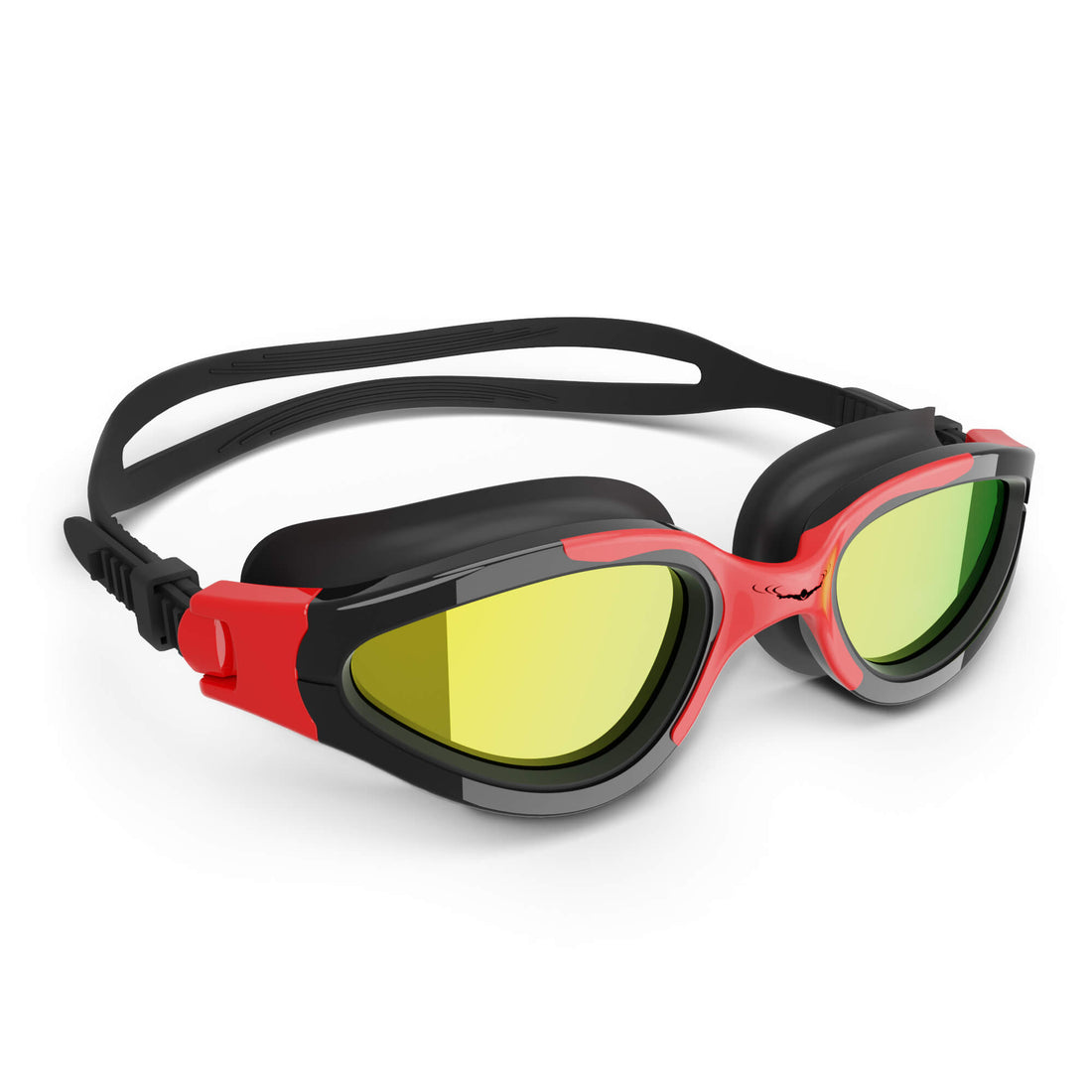
While swimming is a highly beneficial activity for bone health, it's crucial to approach it with the right equipment. One essential item is quality swimming goggles, such as polycarbonate swim goggles, which protect the eyes from the chlorine and saltwater prevalent in swimming environments. Ensuring visibility and comfort during your swim can enhance your experience, allowing you to focus on your workout without distraction.
A good pair of swimming goggles will not only improve visibility but can also encourage more experienced swimmers to push their limits. As comfort increases through proper gear, so will the desire to swim longer, yielding greater bone health benefits.
Swimming and Age-Related Bone Health
As we age, maintaining strong bones becomes even more critical. Notably, swimming can be an excellent exercise choice for older adults. Throughout the aging process, many individuals experience a natural decline in bone density, increasing the risk for fractures and osteoporosis. By swimming regularly, older adults can combat these declines, maintaining bone strength and, consequently, enhancing overall health.
Tailored Swimming Routines for Different Age Groups
Individuals at different life stages can benefit from specific swimming routines. Younger swimmers can engage in high-intensity swimming activities, promoting cardiovascular health and muscle development. For older adults, gentle water aerobics or leisurely swimming can still provide significant benefits without putting undue stress on aging bones. Tailoring swimming routines based on age ensures that swimmers derive the optimal bone health benefits effectively.
Integrating Swimming with Other Activities
To enhance the positive effects on bone health, swimming should ideally be complemented with other forms of exercise. While swimming is fantastic on its own, including land-based weight-bearing exercises can significantly improve bone density. Here are a few activities to consider:
- Resistance Training: Lifting weights or using resistance bands is beneficial for bone health and should be done at least twice per week.
- Yoga: Practicing yoga can increase flexibility, balance, and strength, all of which contribute to improved bone health.
- Dancing: Engaging in dance provides a combination of weight-bearing exercise and enjoyment.
By diversifying your exercise routine, you not only enhance overall fitness but also foster bone density through varied muscular engagement.
Nutrition and Bone Health
While exercise, particularly swimming, plays a significant role in bone health, nutrition is equally important. A diet rich in calcium and vitamin D is essential for maintaining strong bones. Here are some dietary recommendations:
- Dairy Products: Milk, cheese, and yogurt are excellent sources of calcium.
- Leafy Greens: Vegetables such as kale, broccoli, and bok choy provide calcium along with critical vitamins.
- Fatty Fish: Salmon and mackerel are rich in vitamin D, which helps with calcium absorption.
- Nuts and Seeds: Almonds and chia seeds are other great additions to your diet for their calcium content.
Combining proper nutrition with swimming and diversified physical activity creates a robust foundation for maintaining optimal bone health.
Common Misconceptions About Swimming
Despite the numerous benefits of swimming for bones, several misconceptions exist that can deter individuals from taking the plunge. Let's address some of these myths:
Myth: Swimming Does Not Build Bone Density
Many believe that swimming cannot lead to improved bone density due to its non-weight-bearing nature. However, the muscle engagement and resistance against water mean that swimming does contribute to bone strength, albeit differently than land-based exercises.
Myth: You Need to Swim Fast to Get Benefits
Another frequently heard notion is that only those who swim fast or competitively gain benefits. In reality, swimming at any pace can yield important health advantages, including improved bone health. Even leisurely swimming or water aerobics can stimulate muscle engagement effectively.
Getting Started with Swimming
If you're motivated to take advantage of swimming's impact on your bone health, there's no better time to get started! Here are some tips for getting into the swing of things:
- Find a Suitable Location: Whether it’s a local pool or open water, ensure you have a safe and comfortable environment.
- Invest in Quality Gear: Comfort matters! Invest in a good pair of swimming goggles and swimwear for the best experience.
- Take it Slow: If you're new to swimming, start slow and gradually increase your duration and intensity.
- Consider Classes: Joining swimming classes can provide guidance and motivate you to stay committed.
Make a Splash for Stronger Bones!
Incorporating swimming into your fitness regimen is an enjoyable path toward enhancing your bone health. With its low-impact nature, muscle engagement, and hormone regulation benefits, swimming is a fantastic way to strengthen your bones while enjoying the water. Don’t forget to complement your swimming routine with proper nutrition and other activities for comprehensive health benefits. The time you invest in swimming could lead to a brighter and healthier future for your bones. So, gear up with your favorite polycarbonate swim goggles, hit the water, and make a splash for stronger bones today!
Linked Product

DX Wide View Swim Goggles + SHOCK Protective Case
The DX Wide View Swim Goggles are designed for optimal visibility and comfort in various swimming environments. With fog-free optics and a secure fit, swimmers can focus on their performance without distractions. The included SHOCK protective case ensures durability and convenient storage, making these goggles a practical choice for regular use.
View Product