

Overview
Weather significantly impacts swimming performance, affecting temperature, wind, humidity, and safety. Understanding these factors can help swimmers optimize training and enjoy their sessions. Prepare for varying conditions with the right gear, hydration, and flexibility in routines to ensure a safe and enjoyable experience.
Table of Contents
- The Impact of Temperature on Swimming Performance
- Warm Weather Benefits
- Challenges of Hot Weather
- Coping with Cold Water Conditions
- Wind: A Silent Performer
- Windy Conditions and Navigation
- Temperature Drop from Wind Chill
- Humidity and Its Effects
- High Humidity Challenges
- The Upside of Moderate Humidity
- Adverse Weather Conditions
- Safety First: Avoiding Dangerous Conditions
- How to Prepare for Different Weather Conditions
- Pre-Planning Your Swim
- During the Swim
- Weather and Race Day Performance
- The Role of Warm-ups
- Navigating Races with Weather Variability
- Embrace the Water—No Matter the Weather
Key Takeaways
- Temperature Impact: Both high and low temperatures significantly affect swimming performance; warm water enhances flexibility, while cold water can lead to stiffness and reduced muscle performance.
- Hydration is Key: Regardless of weather conditions, staying hydrated is crucial for maintaining peak performance and preventing fatigue.
- Wind Resistance: Wind can create choppy waters that hinder navigation and tire swimmers quickly; understanding wind patterns is essential for open water swimming.
- Humidity Effects: High humidity can make it difficult for the body to regulate temperature, leading to fatigue; moderate humidity may enhance buoyancy and comfort in the water.
- Safety First: Always avoid swimming in adverse weather conditions like thunderstorms or heavy rain, as they pose significant safety risks.
- Preparation is Essential: Regularly check weather forecasts, pack appropriate gear, and adapt your training schedule based on conditions to ensure a successful swim.
- Race Day Strategy: Incorporate proper warm-ups and be flexible with pacing and strategies to adapt to sudden weather changes during races.
When it comes to swimming, many factors play a crucial role in your performance, but perhaps none is as variable as weather. From temperature to wind speed, each element can massively influence your swimming experience, whether in a pool or open water. Understanding how weather impacts swimming performance can not only help athletes optimize their training but also guide casual swimmers to enjoy their sessions more fully. In this comprehensive article, we’ll explore how various weather conditions can affect your swimming performance, delve into the importance of gear like swimming caps and protective swim goggles cases, and provide tips to navigate these challenges effectively.
The Impact of Temperature on Swimming Performance
Temperature is one of the most evident environmental factors affecting swimming performance. The body’s ability to function optimally relies heavily on maintaining an ideal core temperature. Both excessively high and low temperatures can hinder performance in various ways.
Warm Weather Benefits
Swimming in warmer water can be beneficial for muscles. It enhances flexibility, enabling swimmers to perform strokes more efficiently. Additionally, warm weather tends to motivate swimmers to spend more time in the water, leading to improved overall performance over time.
Challenges of Hot Weather
However, extreme heat poses serious risks. Swimmers in hot environments may face dehydration or heat exhaustion. Sun exposure can also necessitate protective swim goggles cases that provide UV protection, ensuring that athletes protect their eyes against harmful rays while maintaining visibility.
Coping with Cold Water Conditions
Swimmers also face challenges when the temperature dips. Cold water can lead to decreased muscle performance due to reduced blood flow and increased stiffness. Here are some considerations for cold weather swimming:
- Warming Up: Extended warm-ups are essential. Allowing your muscles to acclimate to lower temperatures can reduce the risk of injury.
- Swimming Caps: Wearing a swimming cap can help retain body heat. It’s amazing how much heat is lost through the head in cold water, making this simple equipment essential for maintaining optimal performance.
- Gear Appropriateness: Invest in wetsuits or thermal swimsuits when swimming in colder waters. They act as insulation and offer buoyancy.
Wind: A Silent Performer
Wind is another weather factor that often goes unnoticed. Swimmers in open water must contend with wind resistance, which can impact both speed and endurance. Here’s how:
Windy Conditions and Navigation
In windy conditions, waves can become choppy and unpredictable. This situation may impede a swimmer’s ability to maintain a straight path. It may require excessive energy to navigate through turbulent waters, which can tire swimmers swiftly.
Temperature Drop from Wind Chill
Wind can also create a significant wind chill factor, which sometimes cold enough to tempt even seasoned swimmers to stay onshore. Understanding wind patterns can help swimmers anticipate conditions and prepare accordingly. Always consider bringing along a protective swim goggles case to shield your gear from moisture and wind.
Humidity and Its Effects
Humidity levels can significantly impact swimming performance. In humid conditions, the body struggles to regulate its temperature due to the inability to evaporate sweat effectively.
High Humidity Challenges
When humidity is high, feeling overheated can lead to fatigue, and swimmers may find it harder to breathe comfortably. Consequently, focusing on pacing and hydration is essential. Swimmers should ensure they are well-hydrated before entering the water.
The Upside of Moderate Humidity
Conversely, moderate humidity can provide a level of comfort, especially when combined with warm temperatures. It may enhance the feeling of buoyancy in the water, possibly allowing for a smoother swim experience.
Adverse Weather Conditions
Swimming in adverse weather conditions—such as thunderstorms or heavy rain—should be avoided altogether. These environmental factors can not only disrupt performance but also pose safety risks.
Safety First: Avoiding Dangerous Conditions
Lightning during a thunderstorm makes swimming exceptionally dangerous. Even in heavy rain, the visibility in the water can significantly decrease, leading to an increased risk of accidents. Always check local weather forecasts and be prepared to postpone your swim if poor weather is on the horizon.
How to Prepare for Different Weather Conditions
Preparation is key when it comes to overcoming weather-related challenges. Here are various strategies you can implement for different weather scenarios:
Pre-Planning Your Swim
- Stay Informed: Regularly check weather conditions before heading out. Apps and websites provide timely and detailed forecasts.
- Pack Accordingly: Always have the right gear ready. This includes items like swimming caps for colder temperatures and protective swim goggles cases for safeguarding your equipment.
- Modify Your Routine: When weather conditions are unfavorable, adapt your training schedule. Consider swimming indoors during extreme weather.
During the Swim
- Hydrate! Regardless of weather conditions, staying hydrated is crucial for peak performance.
- Monitor Your Body: Be aware of how the weather is affecting you. If you start to feel symptoms of overheating or cold, adjust your swim accordingly.
Weather and Race Day Performance
Whether you are competing in an organized race or testing your limits in open water, weather can directly impact your performance. Understanding how to adapt your strategy for race day is vital.
The Role of Warm-ups
Make sure to incorporate a proper warm-up routine to adjust your body to the day’s conditions. If the weather is cooler, consider longer warm-up sets or dry land exercises to elevate your heart rate. A proper warm-up can help you overcome any performance dips caused by adverse conditions.
Navigating Races with Weather Variability
Races are often set ahead of time, so preparing for sudden weather changes is essential. Focus on flexibility—know how to adjust your pacing and strategies based on wind conditions or temperature. Always be ready to go with the flow, so to speak, keeping your performance smooth despite external variables.
Embrace the Water—No Matter the Weather
Weather will always play a role in your swimming performance, but with the right knowledge and preparation, you can navigate these challenges with confidence. By understanding how temperature, humidity, wind, and precipitation can affect you in different ways, you can better prepare for your swim and, more importantly, enjoy the experience. Layering your training with the appropriate swimming caps, investing in quality protective swim goggles cases for gear protection, and staying attuned to weather changes can all make a substantial difference in ensuring your swimming experience is both safe and enjoyable. Remember, the water awaits—get out there and make waves, regardless of the clouds! Your dedication and adaptability will shine brighter than any storm.
Frequently Asked Questions
1. How does temperature affect swimming performance?
2. What should I wear in cold water conditions?
3. How does wind affect open water swimming?
4. What are the dangers of swimming in adverse weather?
5. How can I prepare for different weather conditions when swimming?
Glossary
| Term | Meaning |
|---|---|
| Temperature | The degree of heat present, affecting swimming performance. |
| Humidity | The amount of moisture in the air, impacting body temperature regulation. |
| Wind Chill | The cooling effect of wind, which can lower perceived temperature. |
| Swimming Caps | Headgear used to retain body heat in cold water. |
| Protective Swim Goggles Cases | Cases designed to shield goggles from moisture and UV rays. |
| Dehydration | A condition resulting from excessive loss of body fluids, affecting performance. |
| Warm-up | Pre-swim exercises to prepare muscles for activity and reduce injury risk. |
| Wetsuits | Insulating swimsuits designed for warmth in cold water conditions. |
| Adverse Weather Conditions | Unfavorable weather, such as thunderstorms, that can pose safety risks. |
| Performance Dips | Temporary declines in swimming efficiency due to environmental factors. |
Linked Product

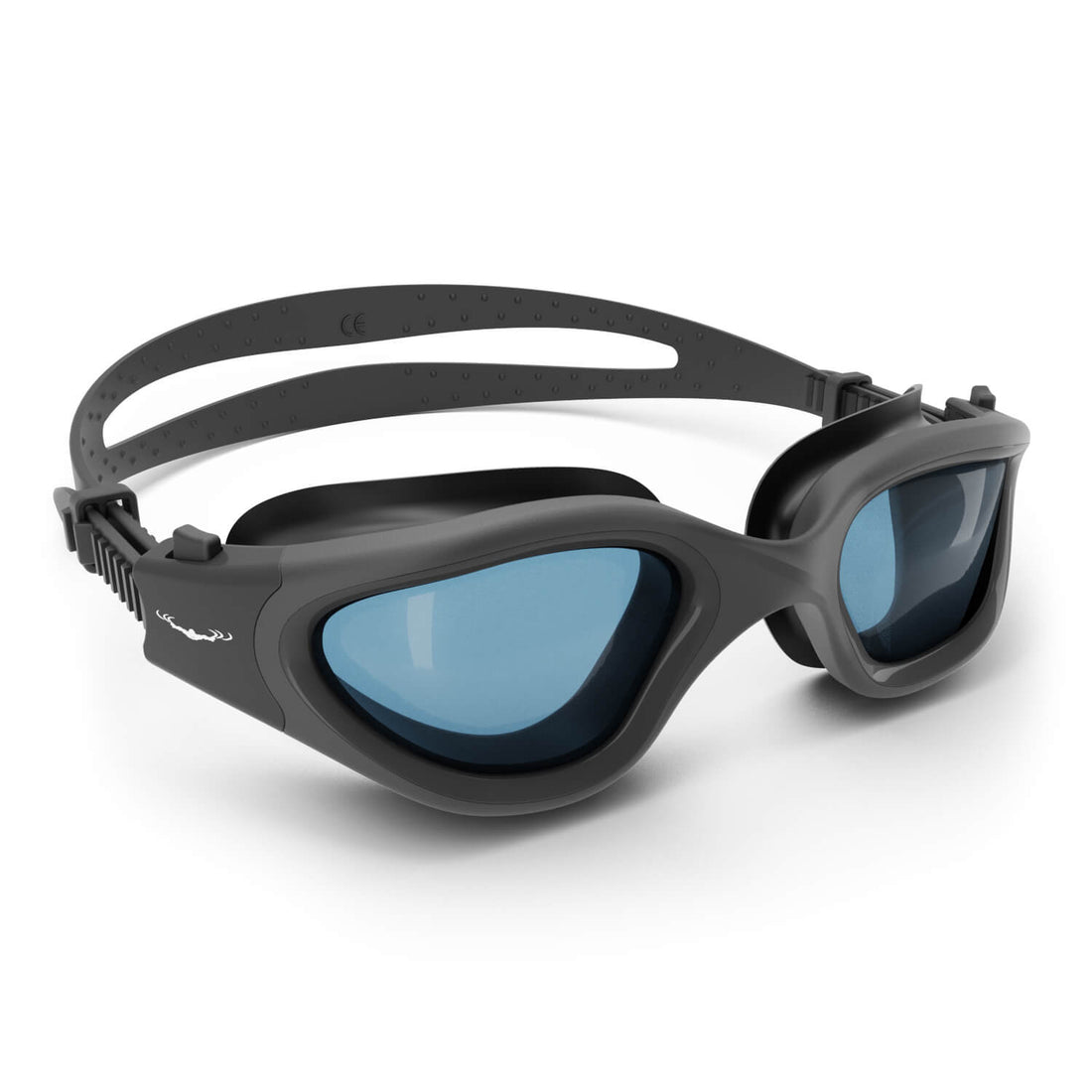
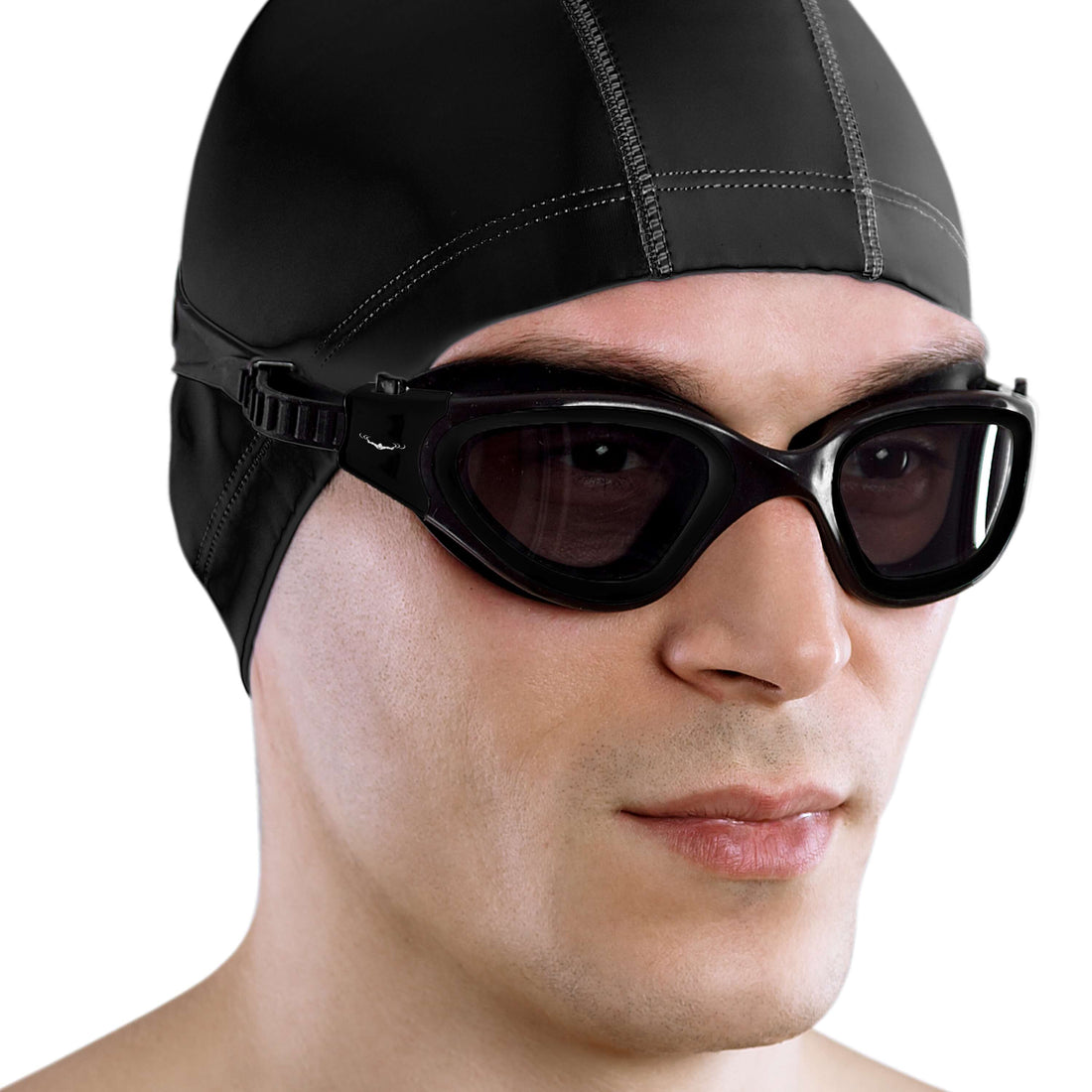
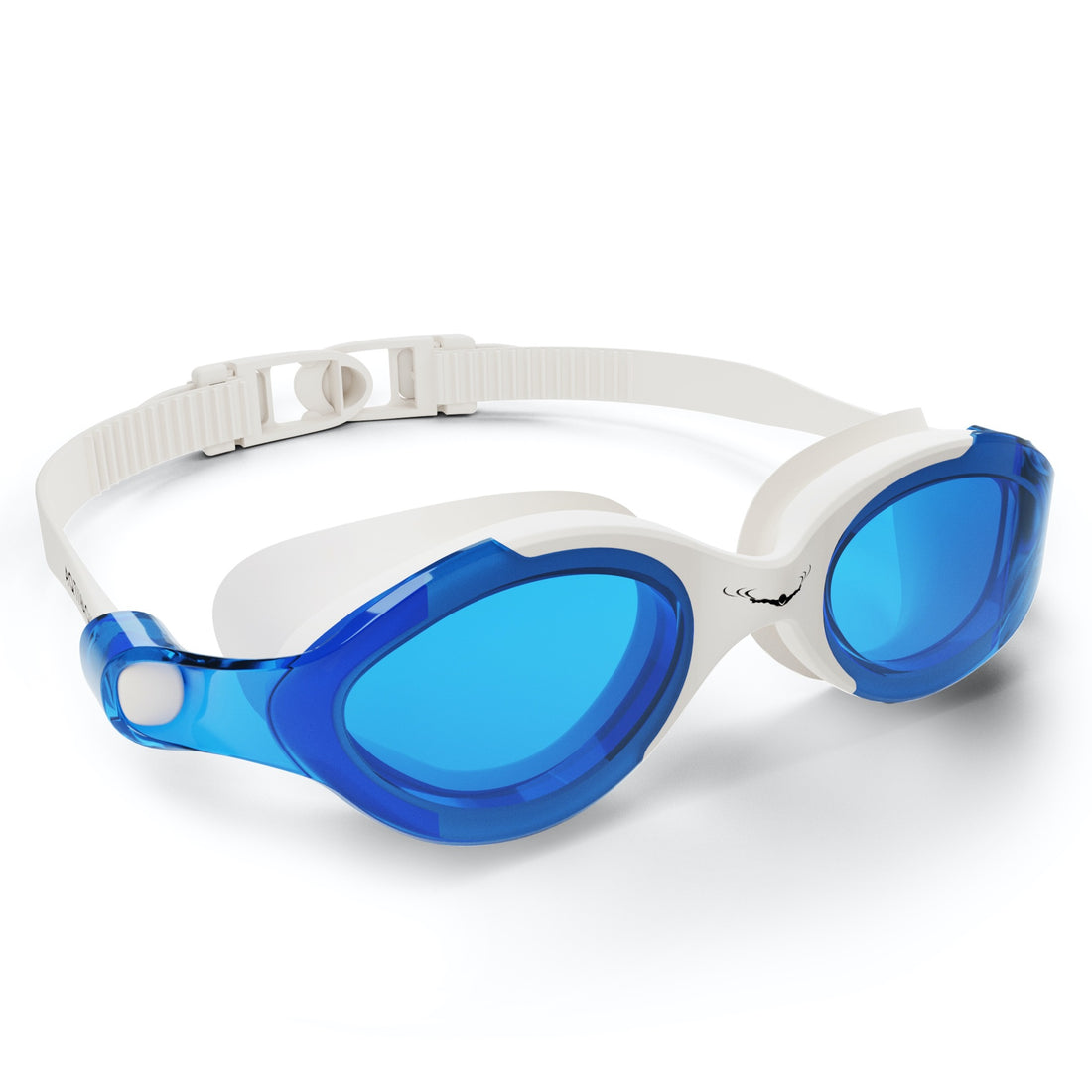
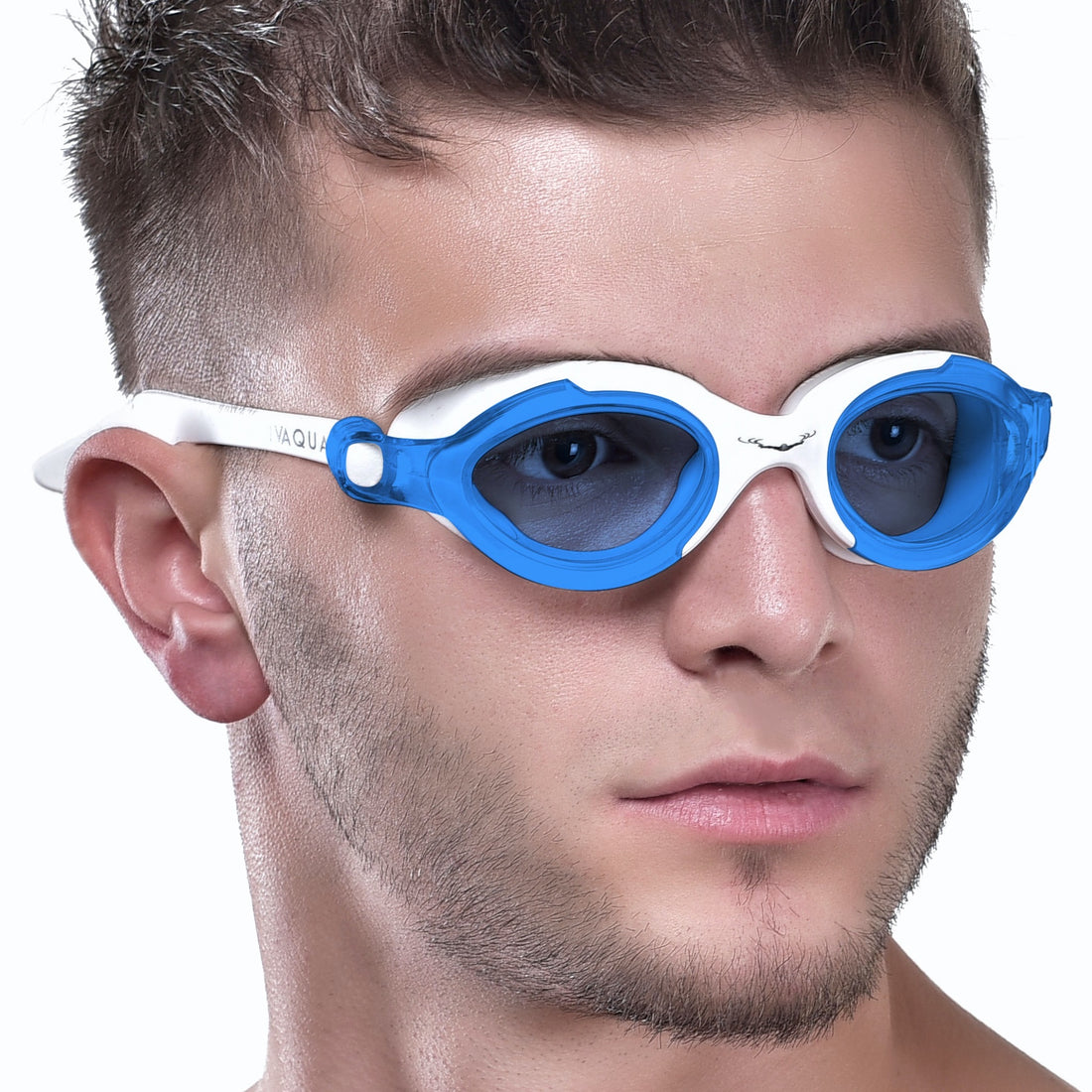
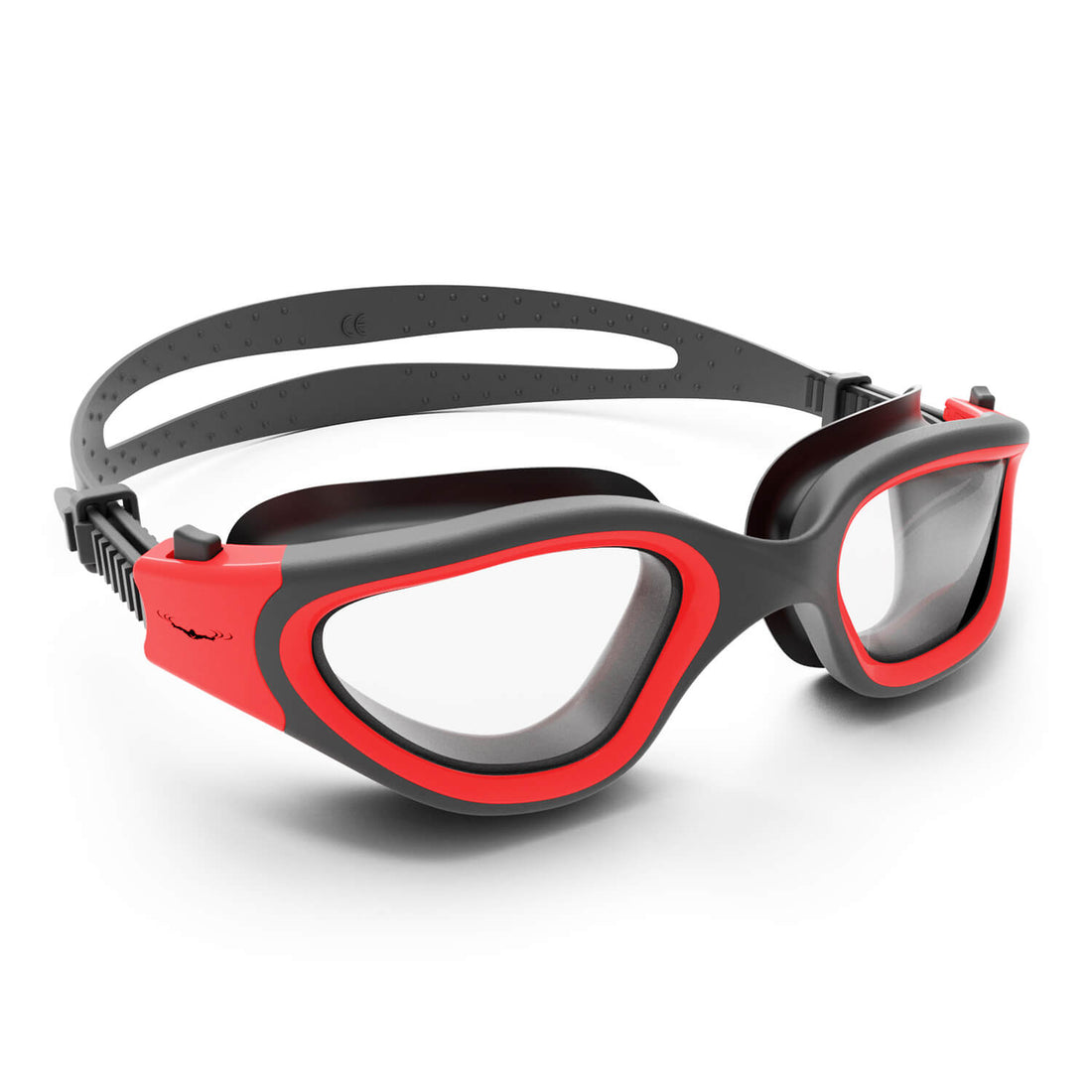
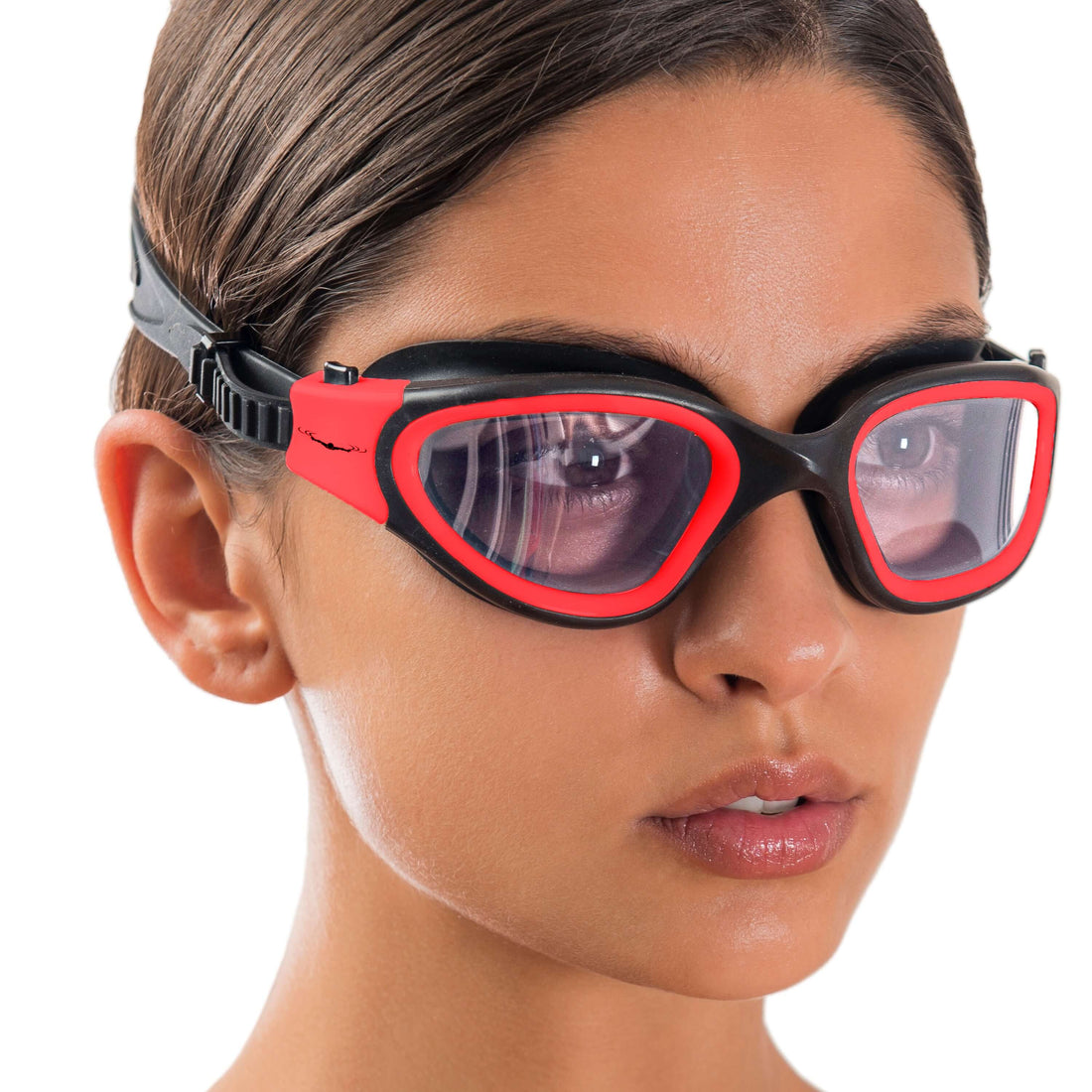
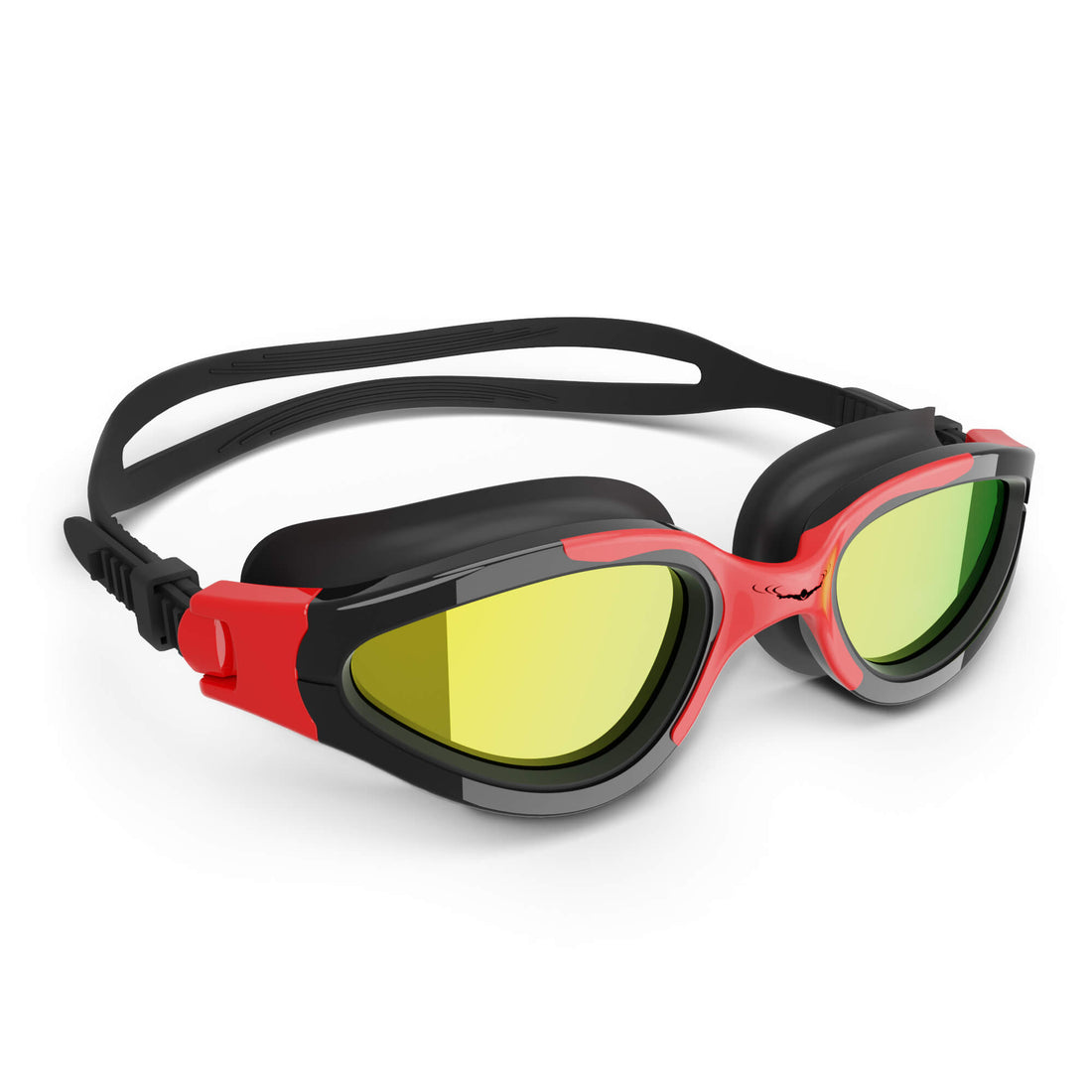
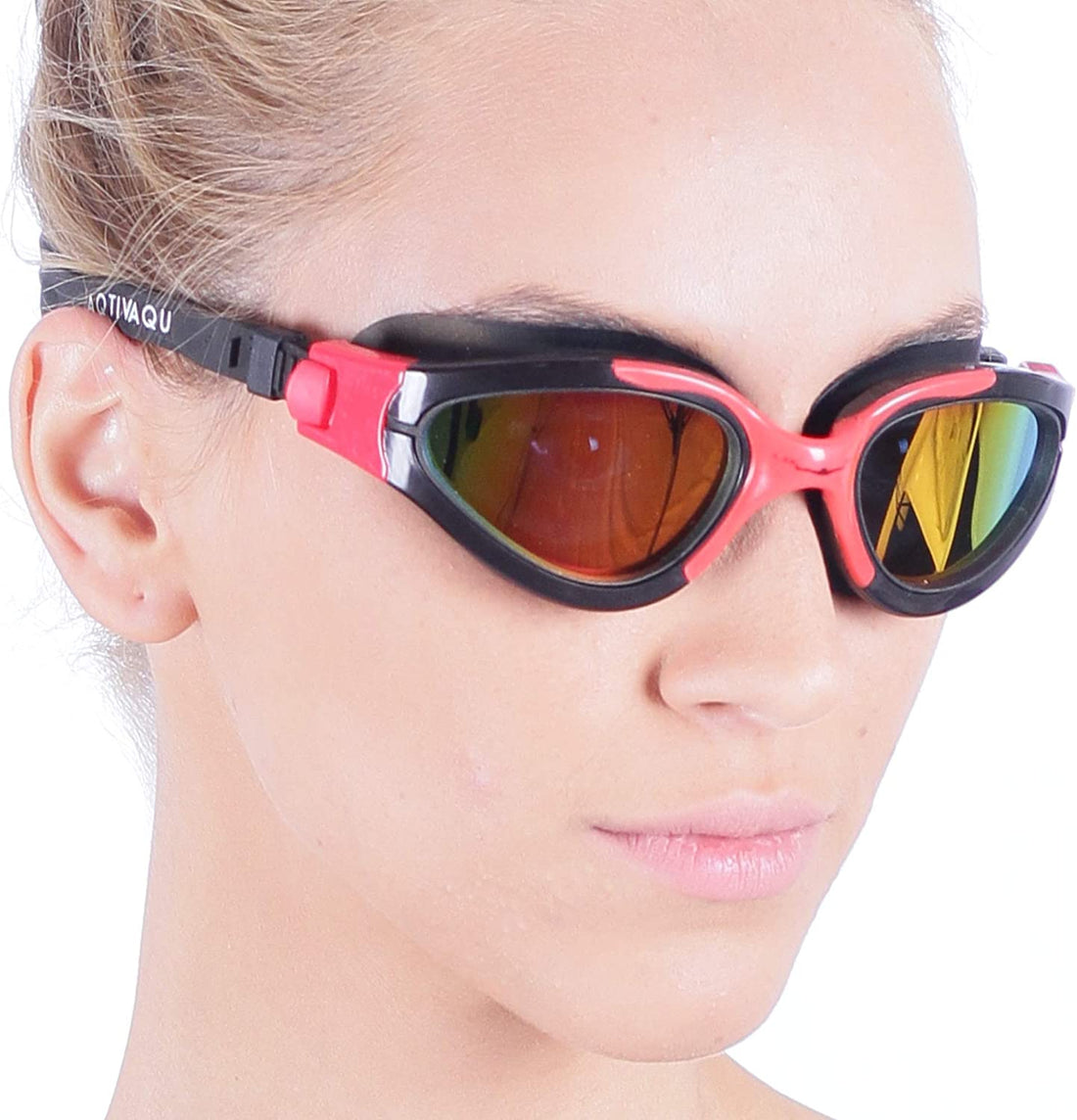
DX Wide View Swim Goggles + SHOCK Protective Case
The DX Wide View Swim Goggles feature clear, untinted 180° polycarbonate lenses that provide true-color visibility, enhancing your focus during indoor and low-light swims. With advanced anti-fog technology and UV400 protection, these goggles ensure sharp vision both above and below water. Designed for comfort and durability, the goggles include a secure fit with a split Y-strap, and they come with a protective case for convenient storage.
View Product