

Overview
Swimming can be a joyful and refreshing activity, but prioritizing water safety is essential for a fun experience. By understanding your environment, supervising children, recognizing distress signals, and using appropriate safety gear, you can significantly reduce risks. Embrace these practical tips to ensure that every swim is not only enjoyable but also safe for you and your loved ones.
Table of Contents
- Know Your Swimming Environment
- Swimming Safety Rules for Everyone
- Always Supervise Children
- Stay Within Your Limits
- Recognizing Signs of Distress
- Understanding Signs of Distress
- Reacting Appropriately
- Importance of Wearing Safety Gear
- Additional Safety Gear to Consider
- Understanding the Weather
- Check Weather Conditions
- Sun Safety Matters
- Encouraging Safe Swimming Habits
- Teach Basic Swimming Skills
- Promote Lifelong Learning
- Final Thoughts on Water Safety
Key Takeaways
- Know Your Environment: Familiarize yourself with pool safety measures and open water conditions, including currents and weather.
- Supervise Children: Always keep a watchful eye on young swimmers and establish a buddy system to prevent solo swimming.
- Stay Within Your Limits: Understand your swimming skills and avoid risky maneuvers if you're not proficient.
- Recognize Distress Signs: Be aware of warning signs like difficulty breathing or flailing arms and react appropriately.
- Use Safety Gear: Wear life jackets in unpredictable waters and consider ear protection and water shoes for added safety.
- Check Weather Conditions: Always review local weather forecasts and adhere to posted warnings before swimming.
- Promote Swimming Skills: Encourage children to learn basic swimming techniques and participate in regular lessons to build confidence.
Water safety is a crucial aspect of enjoying swimming activities, whether at a pool or in open waters. Adhering to effective water safety tips for swimmers enhances your experience while ensuring you and your loved ones have safe and enjoyable aquatic fun. With these guidelines, you'll gain the knowledge needed to navigate swimming environments safely.
Know Your Swimming Environment
Familiarity with your swimming environment is a cornerstone of swimming safety. Different bodies of water pose various risks and challenges. Here are some key elements to consider:
- Pool Safety: Ensure the pool is well maintained, has clear depth markings, and includes lifeguards during operational hours. Familiarize yourself with the location of emergency equipment, such as life rings and first-aid kits.
- Open Water Awareness: When swimming in lakes or oceans, pay attention to currents, tides, and the presence of marine life. Always swim in designated areas and be aware of weather conditions before heading out.
Swimming Safety Rules for Everyone
Enforcing swimming safety rules is crucial for everyone, from seasoned swimmers to beginners.
Always Supervise Children
One of the most significant aspects of swimming safety for kids is constant supervision. Never leave children unattended near water. Assign a designated adult to keep a watchful eye on young swimmers, regardless of their swimming abilities. Here are additional tips:
- Establish a “swim buddy” system to ensure that no child swims alone.
- Teach children to ask permission before getting into the water.
- Set clear boundaries on where they are allowed to swim.
Stay Within Your Limits
Know your skill level. Anyone, regardless of age or experience, should refrain from diving or attempting complex maneuvers if they aren’t fully proficient. Some tips to keep in mind include:
- Stick to swimming in designated areas based on your skill level.
- If unsure, consider taking swimming lessons to build confidence and skill.
- Be mindful of any personal health conditions that might affect swimming ability.
Recognizing Signs of Distress
Part of effective water safety involves understanding the signs of distress in others. Knowing how to react can be the difference between safety and tragedy.
Understanding Signs of Distress
Some warning signs to be aware of include:
- Difficulty breathing or struggling to stay afloat.
- Flailing arms or shouting for help.
- Submerging for prolonged periods.
Reacting Appropriately
If you observe anyone showing signs of distress, attempt to assist them while remaining safe. This may include:
- Alerting lifeguards or nearby adults.
- Throwing a flotation device or reaching out a stick instead of entering the water yourself.
- Calling for emergency services if needed.
Importance of Wearing Safety Gear
Using appropriate safety gear is vital for enhancing your safety while swimming. For instance, wearing ear protection is beneficial, particularly for swimmers with ear tubes or those who frequently find themselves in cold water. A Neoprene Swimming Headband effectively holds earplugs securely in place and helps keep water at bay. This multi-functional accessory also:
- Keeps your ears warm in colder water.
- Holds hair securely out of your face, improving visibility.
- Floats on water, enhancing ease of retrieval.
Additional Safety Gear to Consider
In addition to ear protection, consider these essential safety items:
- Life Jackets: Always wear a life jacket when swimming in unpredictable waters, especially for children or non-swimmers.
- Water Shoes: Reduce the risk of foot injuries from sharp objects or slippery surfaces.
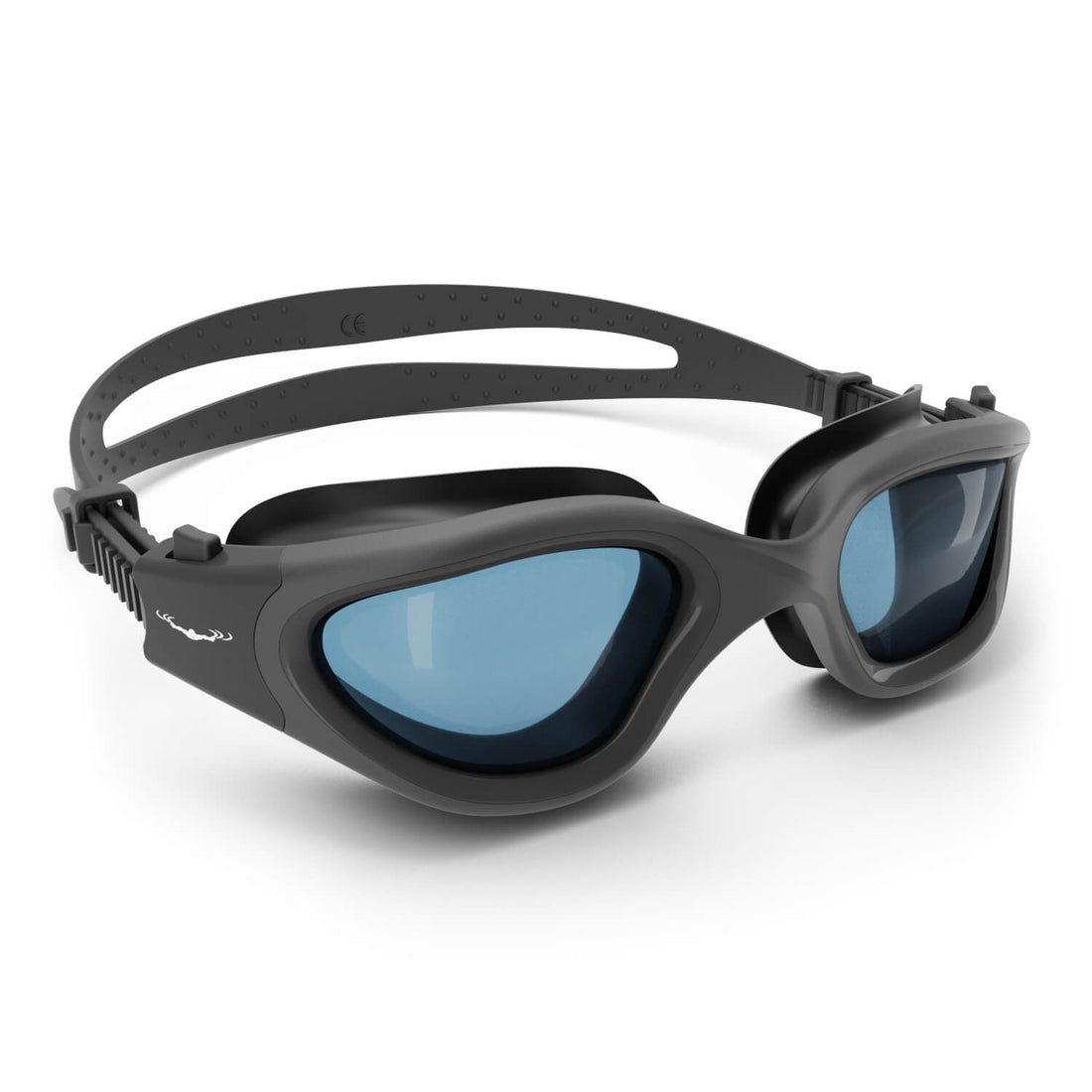
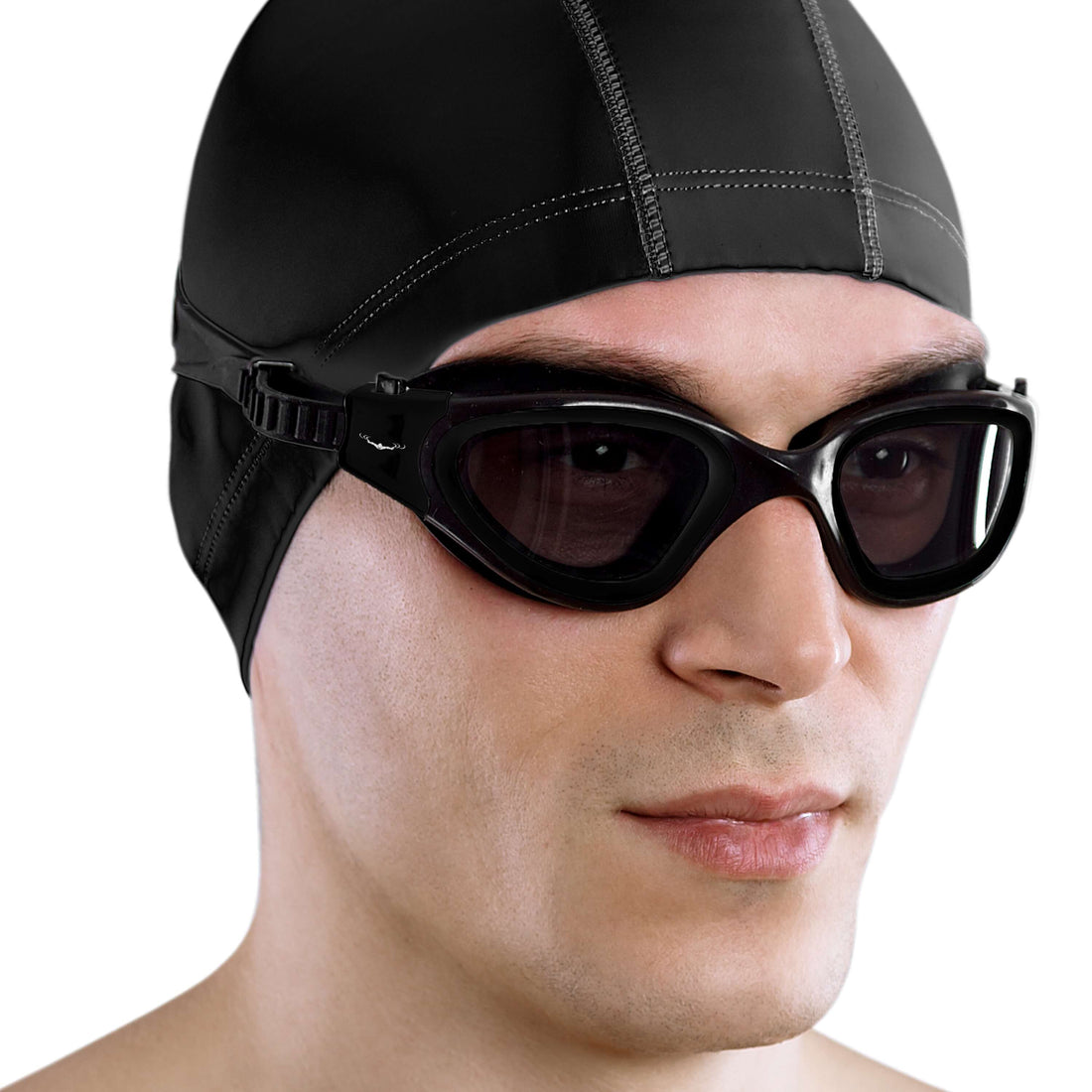
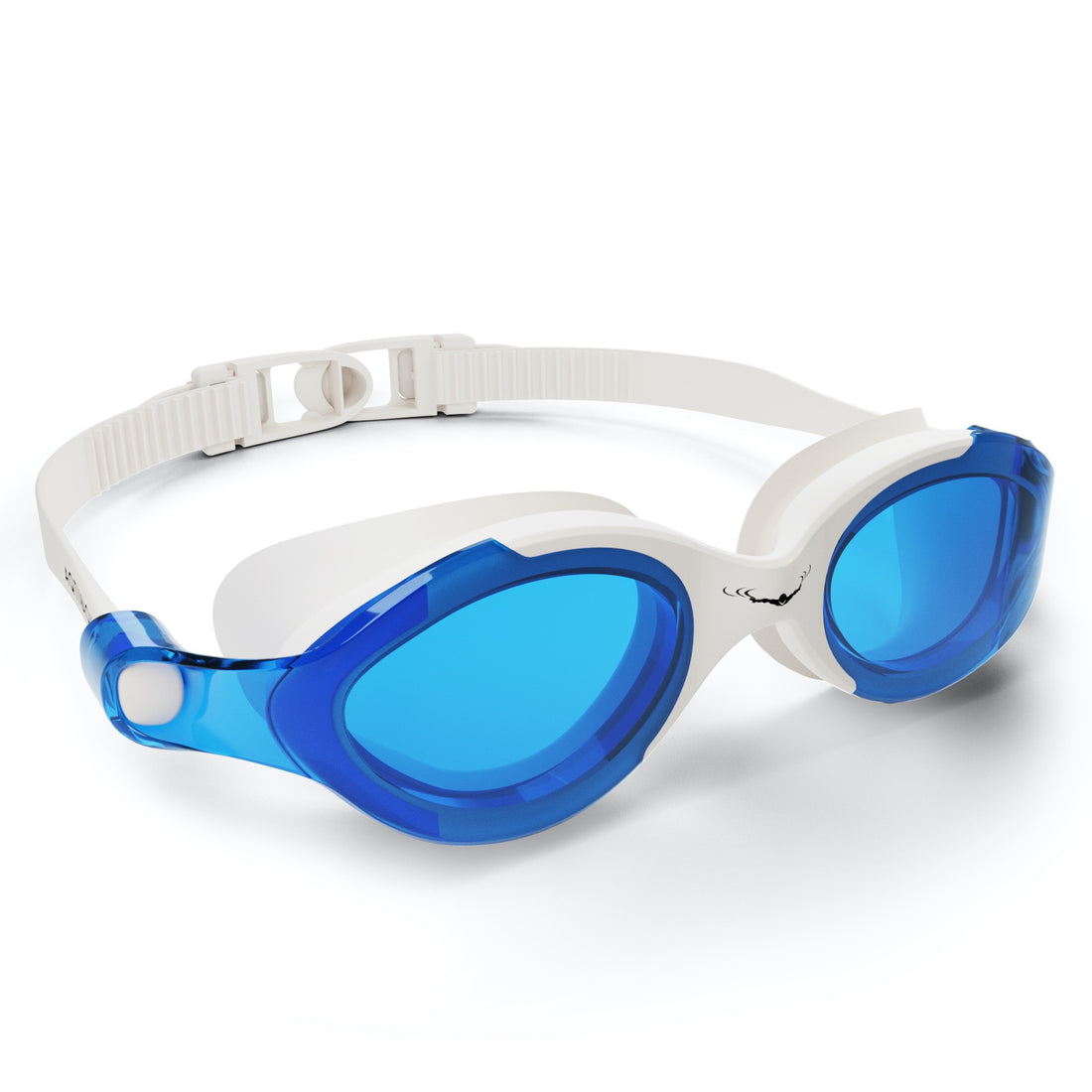
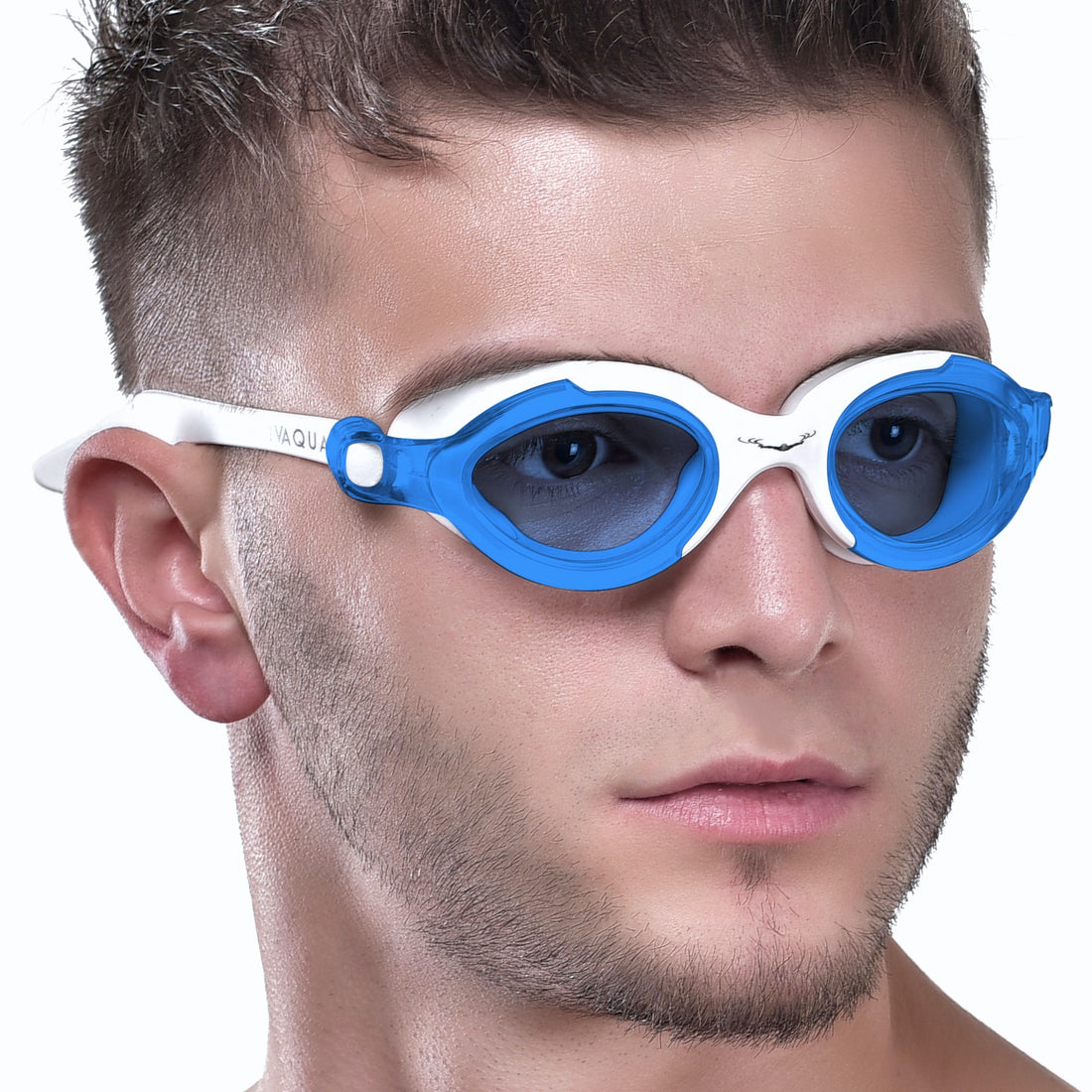
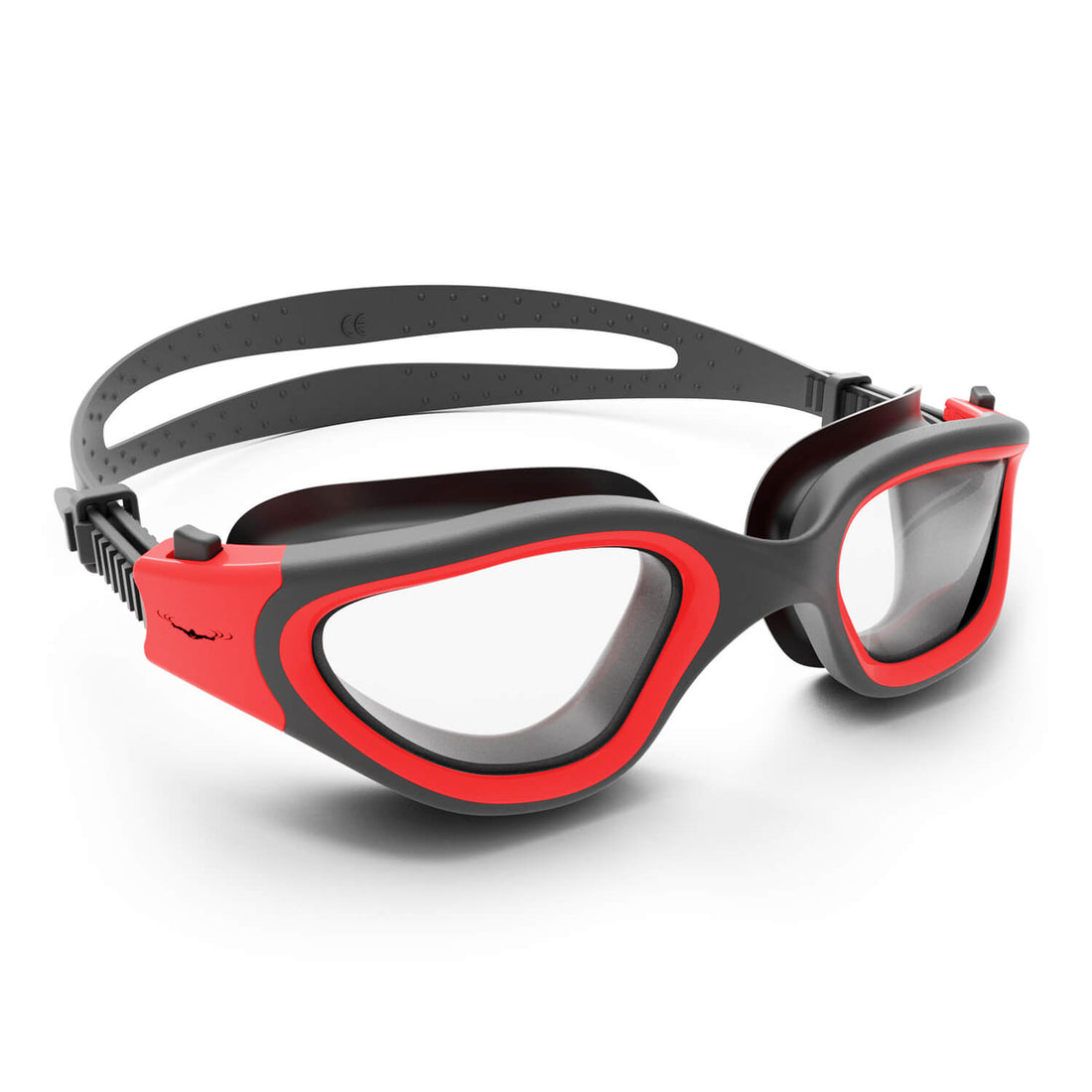
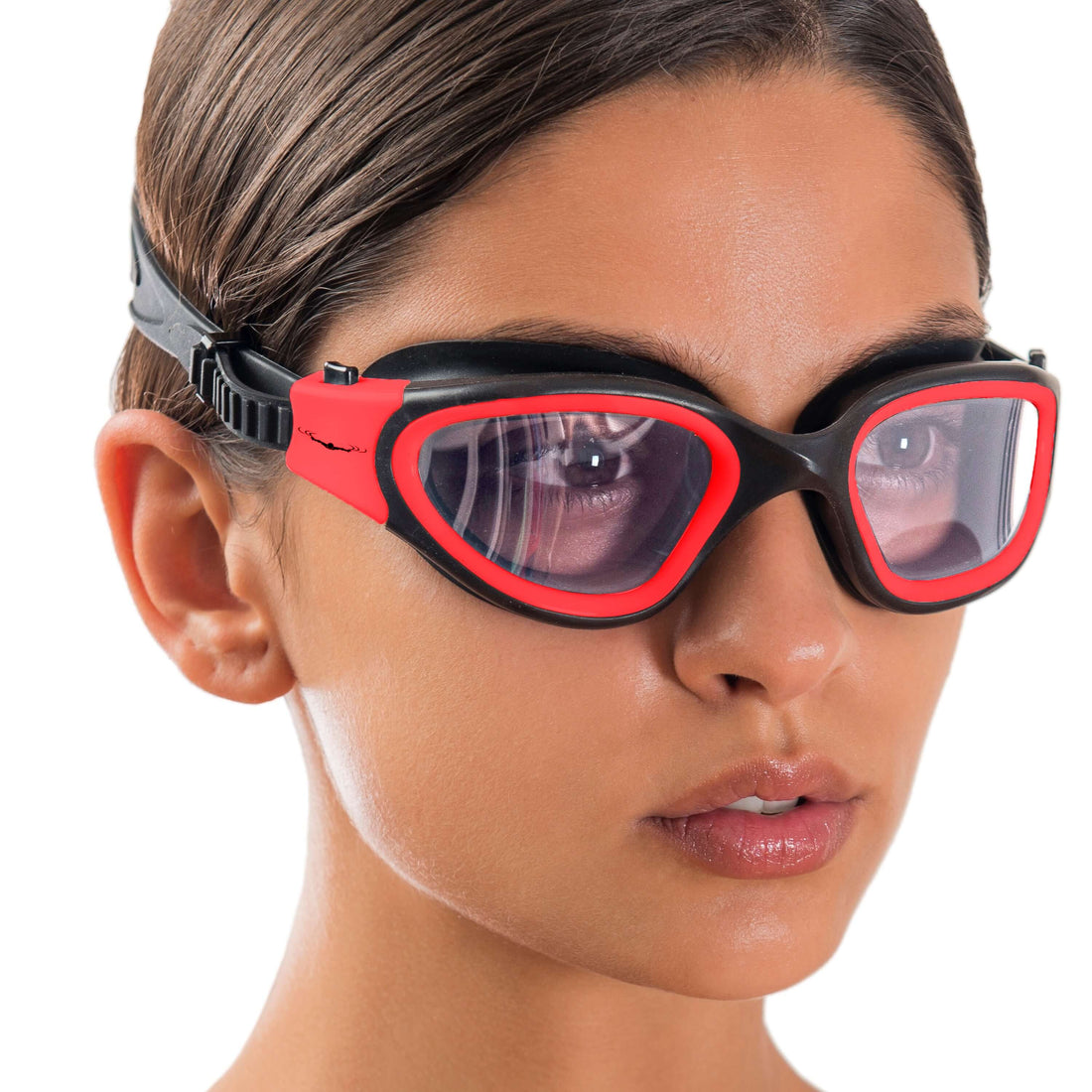
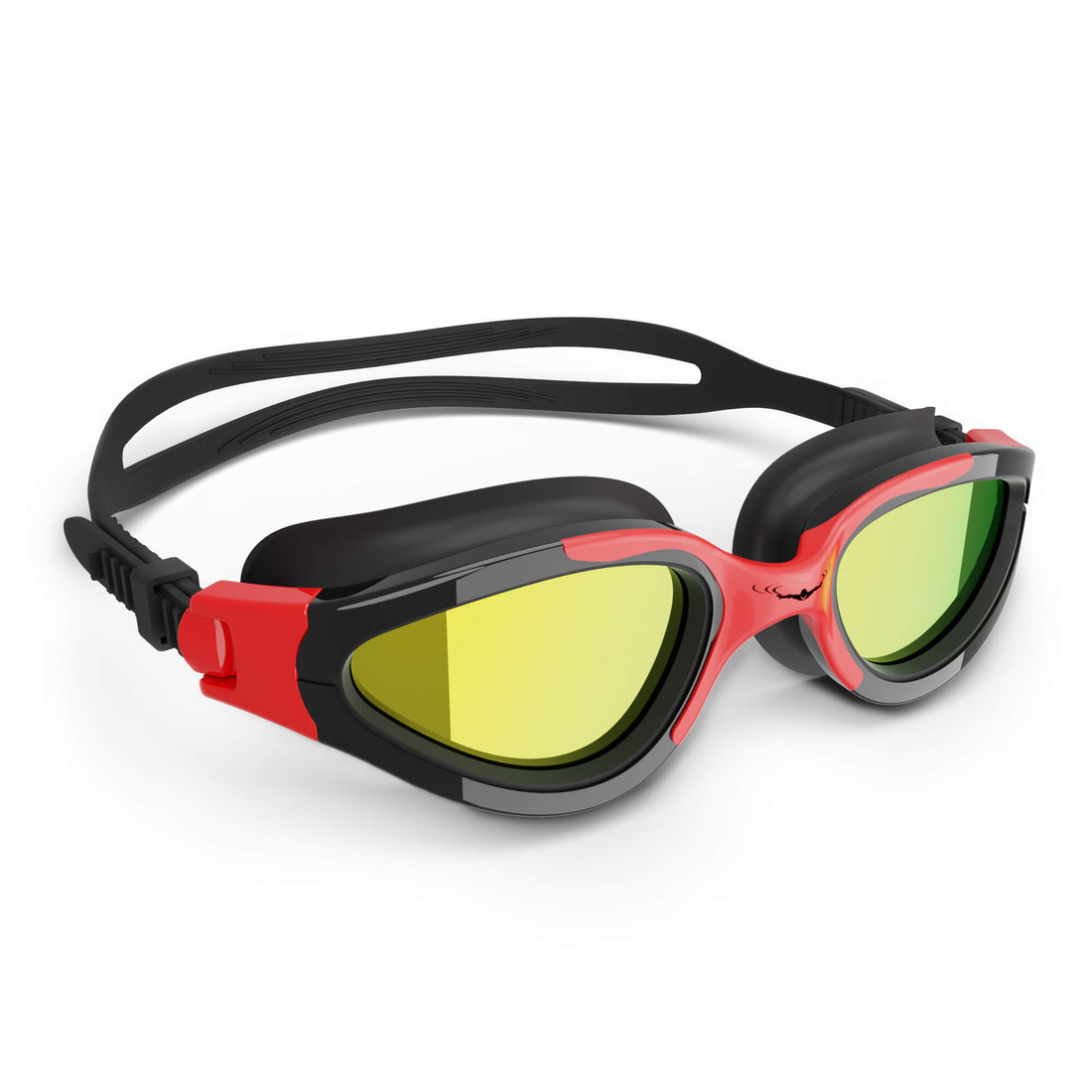
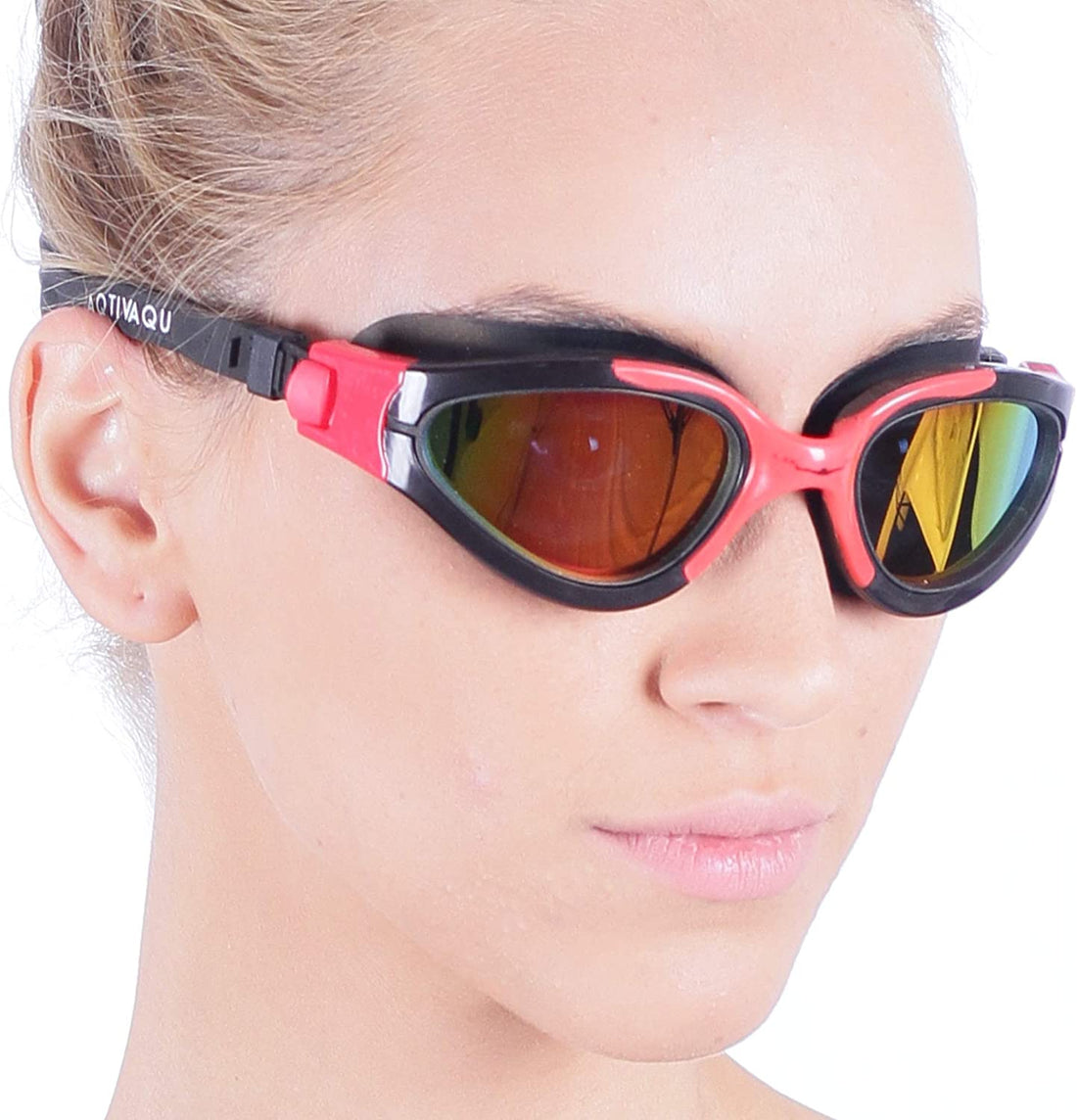
- Goggles: Protect your eyes from chlorine or saltwater, improving visibility.
Understanding the Weather
Weather conditions can dramatically impact the safety of your swimming experience. Before heading to the pool or beach, consider the following:
Check Weather Conditions
Before you swim, review the local weather forecast. Hazardous weather can develop quickly. Always obey any posted warnings or guidelines, which may include:
- Swimming bans during storms or high winds.
- Warning flags at beaches indicating dangerous swimming conditions.
- Severe weather alerts that may lead to erratic water conditions.
Sun Safety Matters
Don’t forget about sun safety! Protect your skin while swimming by following these guidelines:
- Apply waterproof sunscreen with a high SPF before swimming and reapply it every two hours.
- Wear a rash guard or swim shirt to shield your skin from UV exposure.
- Seek shade during peak sun hours to help prevent sunburn.
Encouraging Safe Swimming Habits
Instilling good swimming habits in children creates a robust foundation for lifelong water safety. Here are some actionable steps:
Teach Basic Swimming Skills
Encouraging children to develop basic swimming skills is critical. Ensure they learn:
- Floating techniques to regain composure if they tire.
- Proper breathing techniques and stroke methods.
- How to enter and exit the pool safely.
Promote Lifelong Learning
Swimming skills can always be improved. Promote regular lessons or refresher courses to maintain skills and confidence. Additionally:
- Encourage participation in local swim teams or community programs.
- Introduce new swimming activities that challenge abilities and increase water familiarity.
- Provide opportunities for family swim days to reinforce healthy habits.
Final Thoughts on Water Safety
Effectively implementing water safety tips for swimmers enhances your experience and is crucial for preventing accidents. From always supervising young children to understanding your swimming environment, every step you take contributes to a safer aquatic adventure. Emphasizing safety rules and personal responsibility will foster a culture of awareness. Remember, knowledge and preparation are your best tools in ensuring that you and your loved ones make wonderful memories in the water while prioritizing well-being.
So dive in, enjoy, but always keep safety at the forefront!
Frequently Asked Questions
1. Why is water safety important while swimming?
2. What are some key tips for pool safety?
3. How can I recognize signs of distress in swimmers?
4. What safety gear should I consider while swimming?
5. What precautions should I take in relation to weather before swimming?
Glossary
| Term | Meaning |
|---|---|
| Water Safety | Practices to prevent accidents while swimming. |
| Pool Safety | Ensuring the pool area is maintained and supervised. |
| Open Water Awareness | Understanding risks in natural bodies of water. |
| Swim Buddy System | A safety practice where swimmers pair up. |
| Signs of Distress | Indicators that someone is struggling in the water. |
| Safety Gear | Equipment like life jackets and goggles to enhance safety. |
| Weather Conditions | Environmental factors affecting swimming safety. |
| Sun Safety | Measures to protect skin from UV damage while swimming. |
| Basic Swimming Skills | Fundamental techniques for safe swimming. |
| Lifeguard | A trained individual responsible for swimmer safety. |
Linked Product

Neoprene Swimming Headband - Swim Ear Band Protection Cover - Hair Guard - Keep Ear Plugs IN
The Neoprene Swimming Headband offers effective ear protection by securely holding earplugs in place, making it suitable for individuals with ear tubes or perforated eardrums. Its quick-dry material keeps ears warm and hair out of the face, while bright colors enhance visibility in both pools and open water. Available in three sizes for all ages, this headband ensures a comfortable fit for everyone.
View Product