

Overview
Swimwear has evolved dramatically from its functional origins to today's diverse styles, reflecting cultural shifts and advancements in fabric technology. Understanding this evolution helps you appreciate the significance of current trends, whether you're seeking trendy, functional, or eco-friendly options. With an emphasis on inclusivity and innovation, there’s a perfect swimwear choice for every swimmer.
Table of Contents
- The Early Days: From Function to Fashion
- The Roman Influence
- The Renaissance and Swimwear Designs
- 19th Century Swimwear: The Birth of the Modern Bathing Suit
- The 20th Century: A Revolution in Swimwear
- The Introduction of the Bikini
- Surf Culture and the Rise of Boardshorts
- The Late 20th Century to Today
- Functional Fashion: The Rise of Technical Swimwear
- Modern Trends in Swimwear
- The Influence of Social Media
- A Glimpse into the Future of Swimwear
- Inclusivity in Swimwear Design
- Discover Your Perfect Swimwear for Every Occasion
Key Takeaways
- Swimwear history reflects cultural changes: From ancient Greece's nude swimming to modern-day styles, swimwear has evolved significantly.
- Introduction of the bikini in 1946: This two-piece swimsuit marked a pivotal moment in women's fashion and body positivity.
- Surf culture influenced swimwear: The rise of boardshorts in the 1960s and 70s showcased a shift towards casual, vibrant styles.
- Advancements in fabric technology: Modern swimwear features materials that enhance performance, durability, and comfort, including chlorine resistance and sun protection.
- Sustainability is a growing trend: Eco-friendly swimwear options are emerging as brands focus on environmentally conscious materials.
- Inclusivity in design: Swimwear brands are increasingly offering diverse sizes and styles to cater to all body types, promoting body positivity.
- Social media impacts swimwear trends: Influencers drive rapid changes in swimwear styles, making it essential for brands to adapt quickly.
Swimwear has come a long way from its rudimentary beginnings to the vibrant and diverse options we see today. Understanding the history of swimwear provides insights into cultural changes, social norms, and advancements in fabric technology. In this blog post, we’ll explore the swimwear fashion evolution, highlighting key styles that have marked different eras and their significance in today’s world.
The Early Days: From Function to Fashion
The origins of swimwear can be traced back to ancient civilizations. In ancient Greece, swimmers often swam in the nude, reflecting a society that celebrated the human body. This practice emphasized functionality over fashion, as the primary goal was to enjoy swimming without any encumbrances.
The Roman Influence
As we moved into the Roman era, swimming gained popularity not only as a sport but also as a leisure activity. Romans wore a simple garment called the subligaculum, a form of loincloth made from leather or fabric. This was primarily for modesty, as public baths were a prominent social hub. The influence of the Romans contributed significantly to the way swimwear began to be viewed—starting to bridge the gap between utility and style.
The Renaissance and Swimwear Designs
The Renaissance period marked a significant shift in the approach to clothing, including swimwear. The ideals of beauty and fashion flourished, leading to the introduction of far more elaborate swim attire. Men would often wear knee-length, loose-fitting garments, while women’s swimwear became more about aesthetics with brightly colored fabrics and elaborate designs.
19th Century Swimwear: The Birth of the Modern Bathing Suit
Fast forward to the 19th century, and the modern bathing suit began to take shape. In the mid-1800s, both men and women wore heavy, woolen swimsuits that were impractical for swimming but were designed for modesty and societal expectations. Women’s swimwear resembled long dresses, complete with petticoats. Although such styles were cumbersome, they showcased the cultural resistance to exposing the body.
The 20th Century: A Revolution in Swimwear
The advent of the 20th century brought transformative changes to swimwear. The introduction of lighter materials, such as cotton and nylon, allowed for more freedom of movement in the water.
The Introduction of the Bikini
One of the most significant milestones in swimwear styles through time occurred in 1946. French designer Louis Réard debuted the bikini, a two-piece swimsuit that surprised the world. Initially met with shock and controversy, it quickly became a symbol of female liberation. The bikini reflected a cultural shift toward body positivity and comfort, paving the way for different swimwear options for women.
Surf Culture and the Rise of Boardshorts
In the 1960s and 70s, surfing culture emerged, bringing with it a new style of swimwear for men: boardshorts. Originally designed for surfers, these longer shorts became iconic within the beach community, embodying the laid-back lifestyle associated with the sport. This period also saw the rise of colorful prints and patterns in swimwear, adding to the fashion element.
The Late 20th Century to Today
The late 20th century heralded further transformations in design and fabrication. With the development of synthetic materials, swimwear became more durable and offered features like chlorine resistance, sun protection, and improved fit. Swimwear began to be heavily commercialized, with brands emerging that focused solely on aquatic attire.
Functional Fashion: The Rise of Technical Swimwear
As swimming became a competitive sport, the demand for high-performance swimwear grew. Innovations in fabric technology led to the creation of suits that reduced drag and improved hydrodynamics. Athletes sought designs that would offer both functionality and comfort. Brands such as Speedo and Arena started producing specialized racing suits, providing competitive swimmers with an edge.
Modern Trends in Swimwear
In today’s world, swimwear is more diversified than ever. We see a spectrum of styles, from high-fashion swimwear lines that resemble couture to functional pieces designed specifically for athletes and water sports enthusiasts. Additionally, the push for sustainability has influenced many brands to think critically about the materials they use, leading to eco-friendly swimwear options that appeal to environmentally conscious consumers.
The Influence of Social Media
Social media has transformed the swimwear landscape, with influencers showcasing various styles and brands. Trends can emerge and dissipate within days, making it essential for companies to stay ahead of the curve. In this age of digital marketing, swimwear must not only fit well but also look great in the perfectly filtered photography of online platforms.
A Glimpse into the Future of Swimwear
The future of swimwear looks exciting, with continuous advancements in technology and style. As comfort and performance remain paramount, the integration of smart textiles and wearable technology is anticipated. Imagine swimwear that can regulate temperature or monitor heart rate—this could reshape how we think about swimwear functionality.
Inclusivity in Swimwear Design
Another significant trend is the move toward inclusivity. The focus has shifted to creating swimwear that caters to all body types, sizes, and needs. Many brands are now offering expanded size ranges and designs that promote body positivity, ensuring that everyone can enjoy the water without feeling limited by their swimwear choices.
Discover Your Perfect Swimwear for Every Occasion
Understanding the rich swimwear fashion evolution allows you to appreciate the nuances of swimwear today. Whether you're looking for something trendy, functional, or environmentally friendly, there’s a style out there to suit every swimmer’s needs. As you continue to explore your options, consider factors like durability, comfort, and design that reflect your personal style.
At Aqtiva Aqua, we celebrate the history and future of swimwear by offering a variety of products that reflect the ongoing evolution of swimwear fashion. Check out our selection to find the perfect swimwear pieces that inspire confidence and comfort as you make waves in the water.
So, dive into the world of swimwear, knowing that the perfect fit doesn’t just enhance your experience—it celebrates your journey through the evolving landscape of swimwear history!
Frequently Asked Questions
1. What is the primary focus of the blog on swimwear fashion evolution?
2. How did ancient civilizations view swimwear?
3. What significant milestone in swimwear occurred in 1946?
4. What trends are influencing modern swimwear today?
5. What can we expect from the future of swimwear?
Glossary
| Term | Meaning |
|---|---|
| Swimwear | Clothing designed for swimming or water-related activities. |
| Bikini | A two-piece swimsuit introduced in 1946, symbolizing female liberation. |
| Boardshorts | Long shorts designed for surfing, popularized in the 1960s and 70s. |
| Subligaculum | Ancient Roman loincloth worn for modesty during swimming. |
| Technical Swimwear | High-performance suits designed for competitive swimming. |
| Eco-friendly Swimwear | Swimwear made from sustainable materials to reduce environmental impact. |
| Hydrodynamics | The study of fluids in motion, important for designing efficient swimwear. |
| Inclusivity | The effort to create swimwear for all body types and sizes. |
| Couture Swimwear | High-fashion swimwear that resembles designer clothing. |
| Social Media Influence | The impact of online platforms on swimwear trends and marketing. |
Linked Product

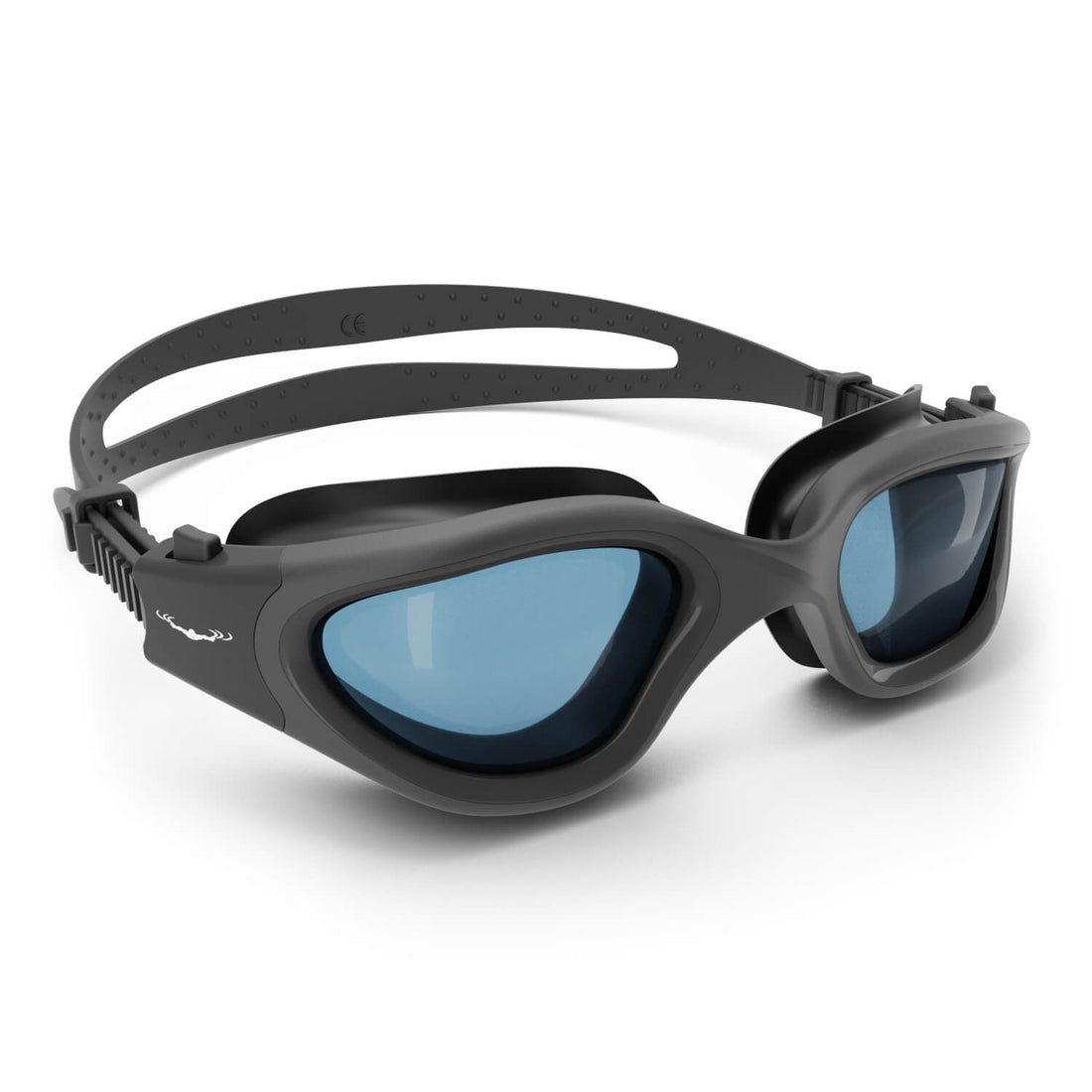
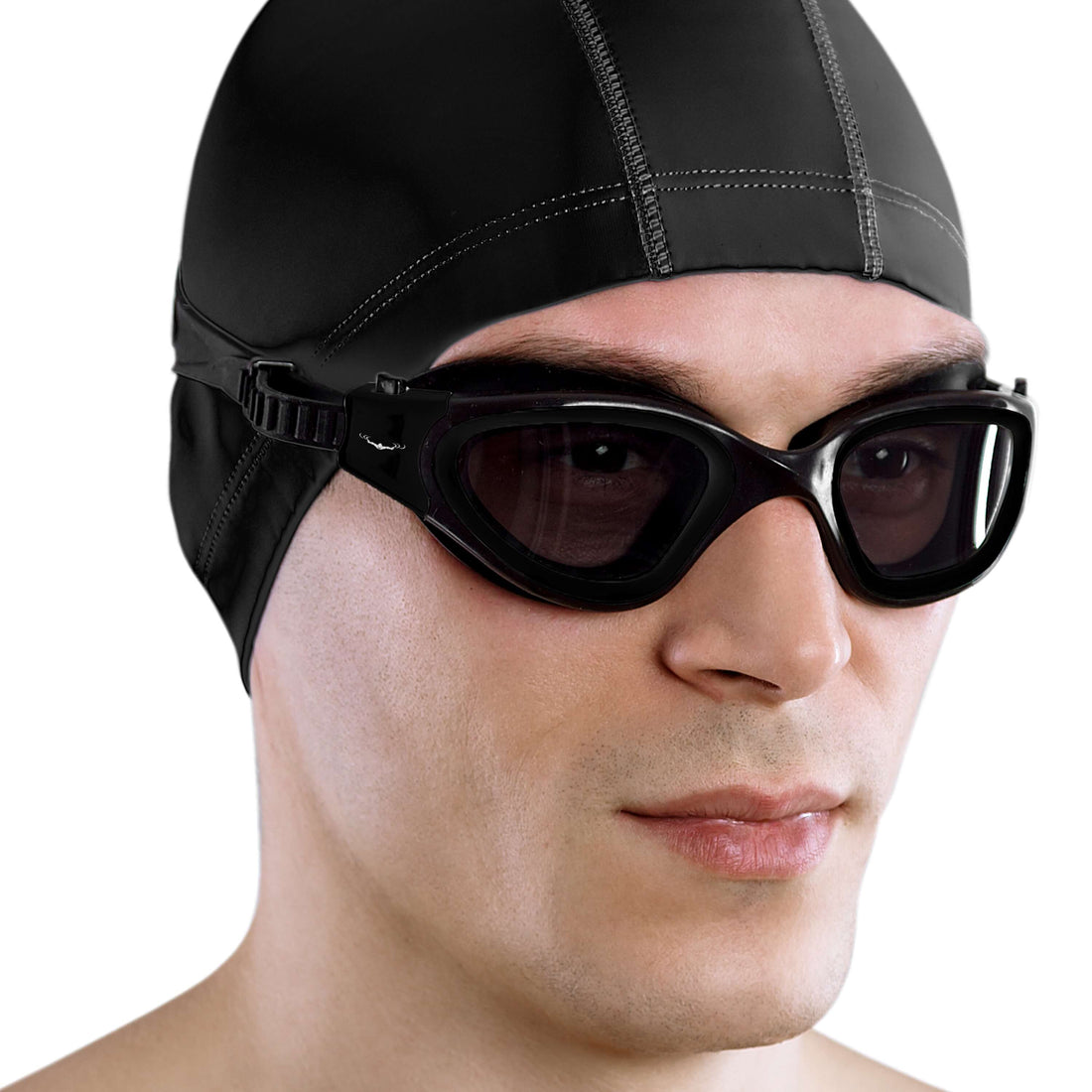
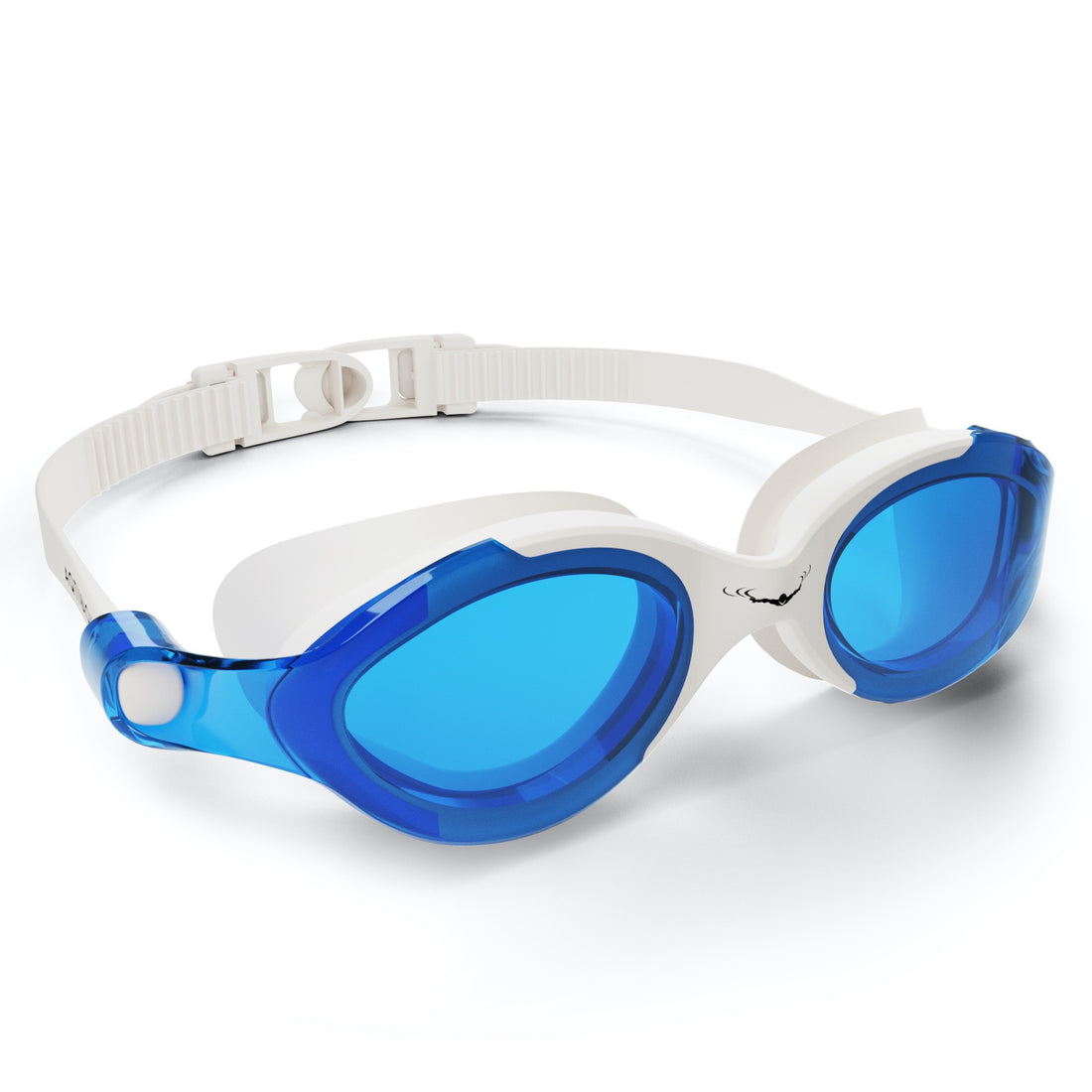
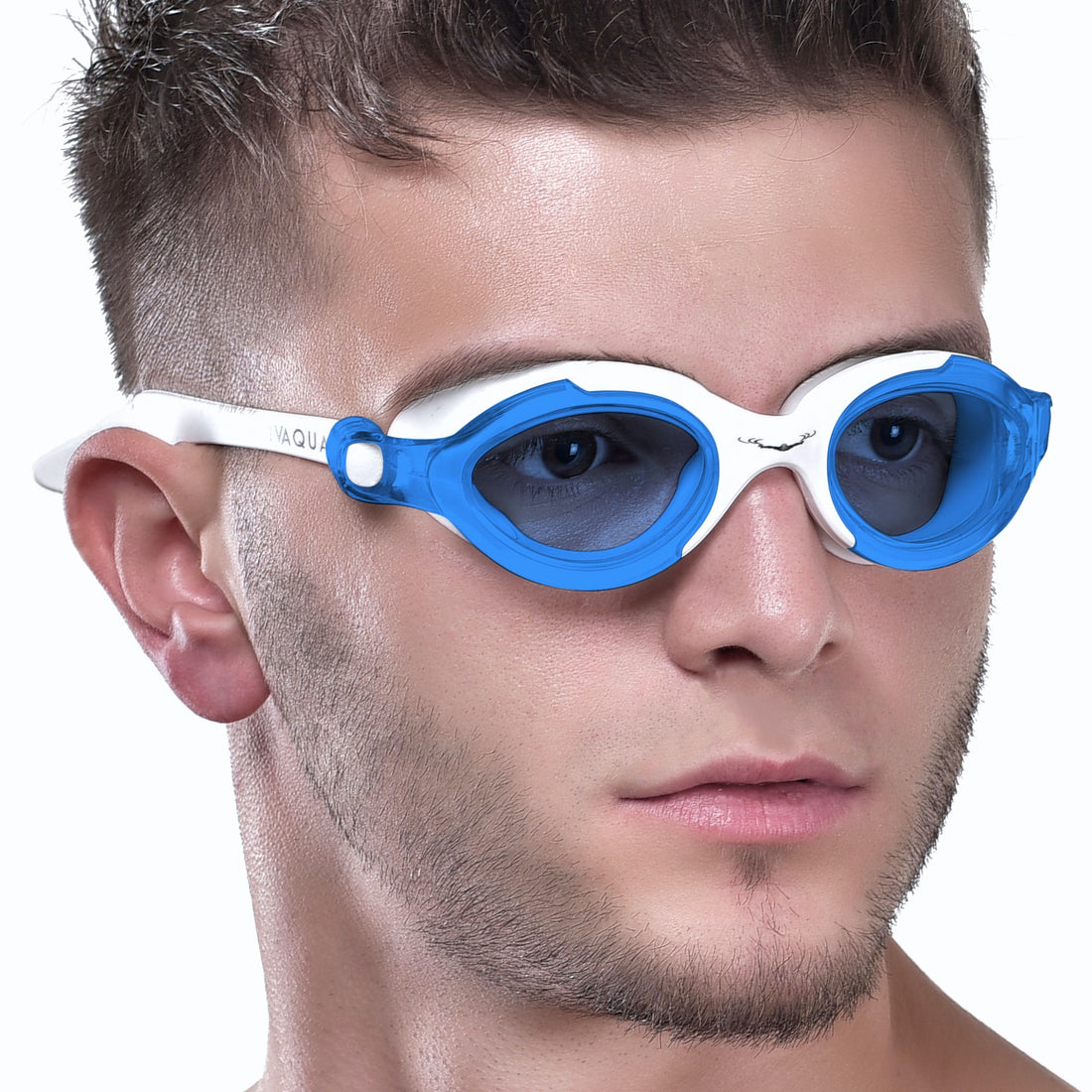
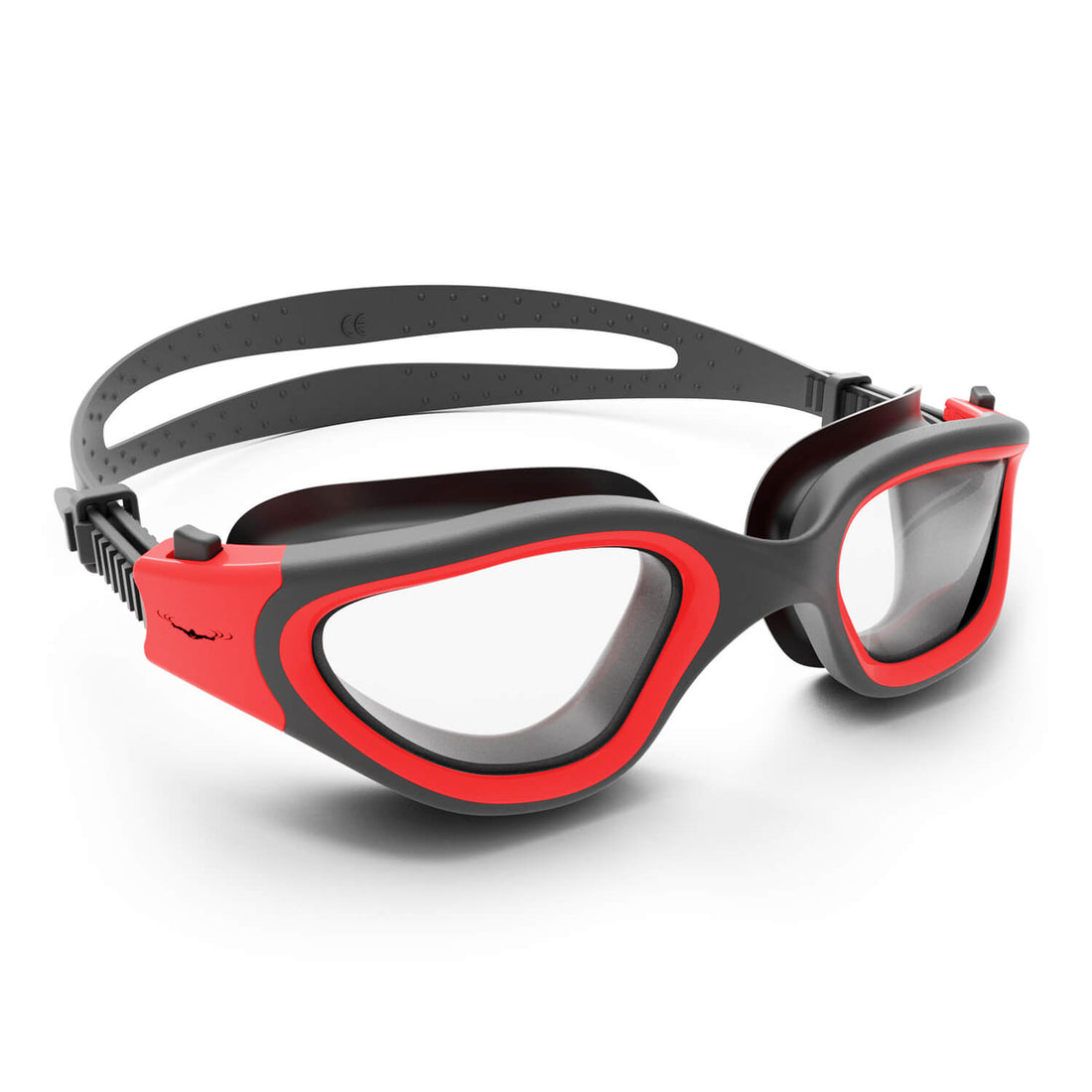
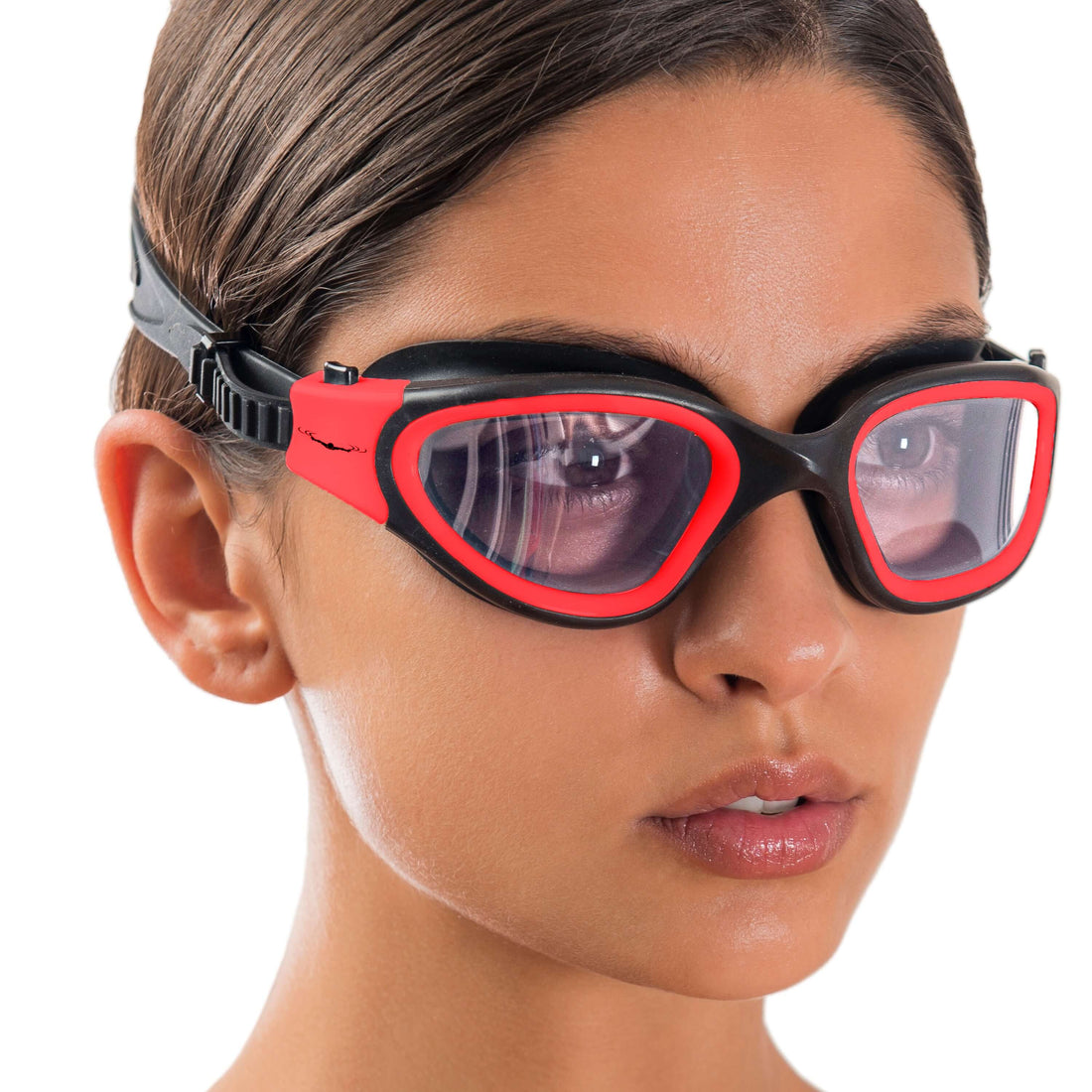
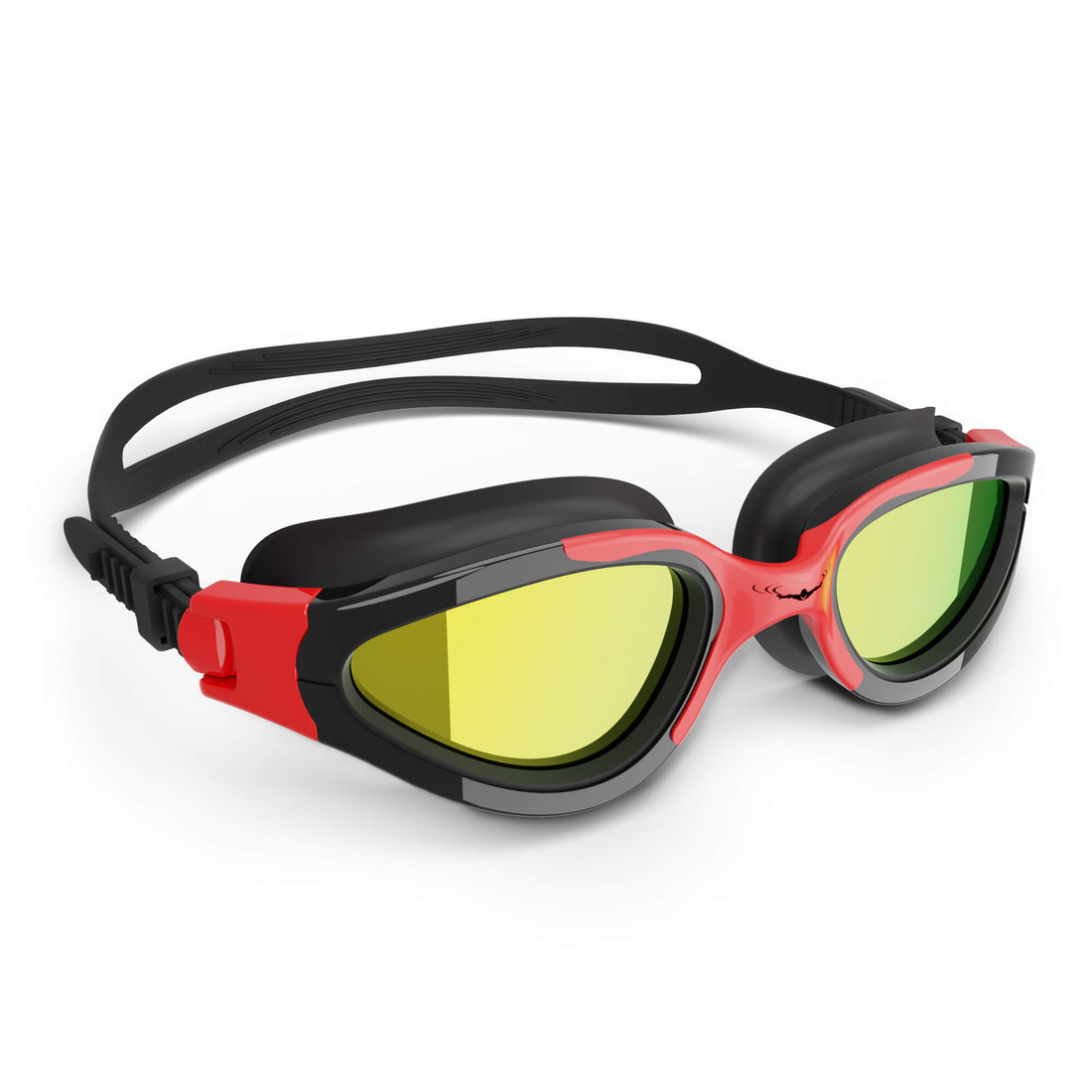
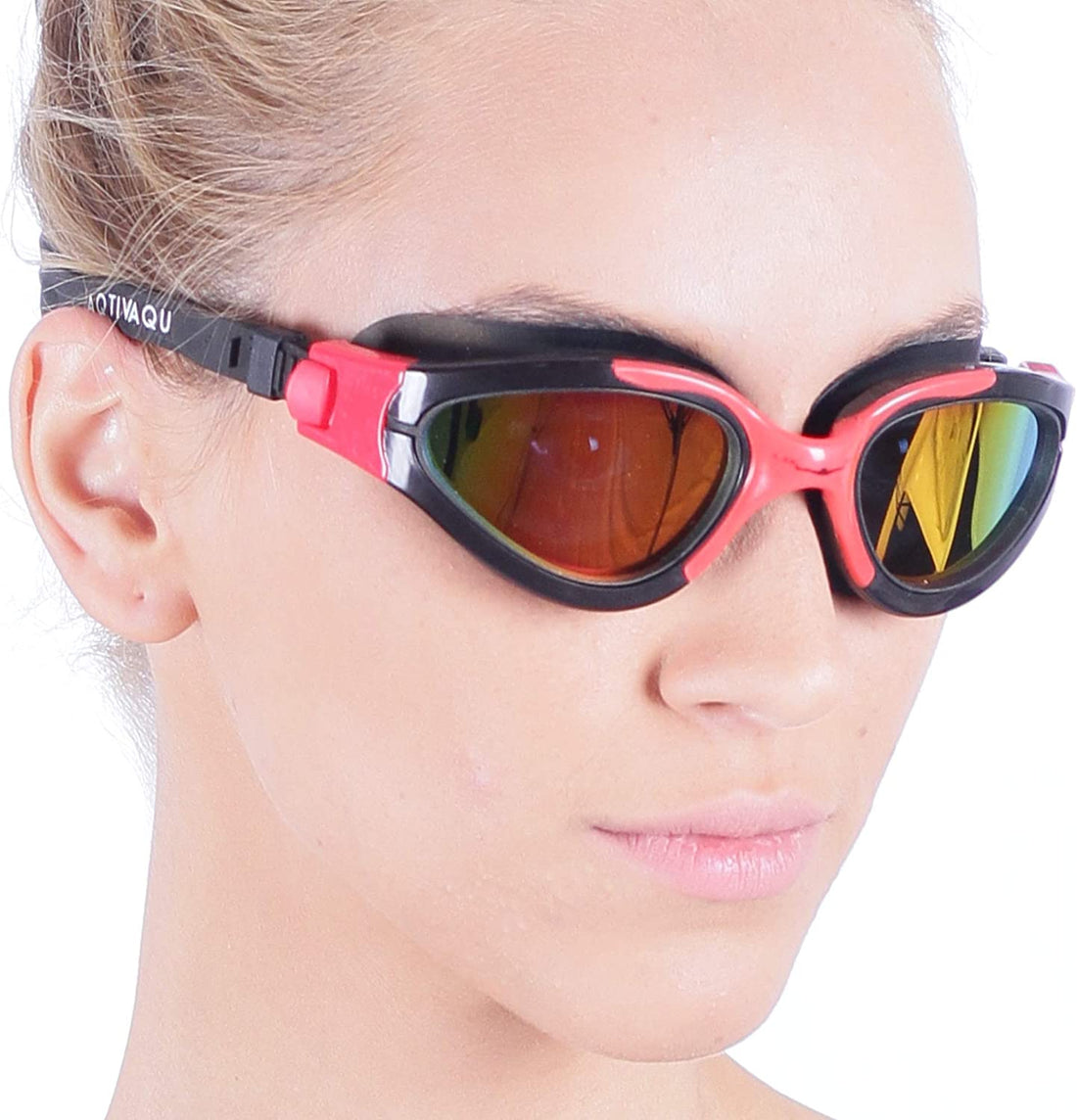
DX Wide View Swim Goggles + SHOCK Protective Case
The DX Wide View Swim Goggles feature clear, untinted 180° polycarbonate lenses that provide true-color visibility, making them ideal for indoor pools and low-light conditions. With advanced anti-fog technology and UV400 protection, these goggles ensure crisp optics both above and below water. The leak-free comfort of soft, flexible double-seals and an easy-to-adjust fit allows for distraction-free swimming, while the included SHOCK protective case offers durable storage.
View Product