

Overview
Swimming offers significant psychological benefits alongside its physical advantages, acting as a form of meditation that enhances mindfulness, reduces stress, and promotes mental clarity. Key elements include establishing a routine, using swim goggles for improved focus, and incorporating techniques like breath control and visualization. Embracing swimming as a lifestyle can further enrich mental well-being and foster a deeper connection with the sport.
Table of Contents
- Understanding Swimming as a Mindful Practice
- The Rhythmic Nature of Swimming
- The Influence of Water on Mental Well-being
- The Role of Swim Goggles in Enhancing Focus
- Improved Visibility
- Minimizing Distractions
- Establishing a Meditative Routine in Swimming
- Schedule Regular Swimming Sessions
- Create a Pre-Swim Ritual
- Mindful Techniques While Swimming
- Breath Control
- Visualizing Your Path
- The Connection Between Mind and Body in Swimming
- Body Awareness
- Letting Go of Negative Thoughts
- The Benefits of Swimming Meditation
- Embracing the Aquatic Lifestyle
- Join a Swimming Community
- Take Swimming Lessons
- Making Waves in Your Mental Health Journey
Key Takeaways
- Swimming promotes mindfulness: The rhythmic nature of swimming allows for a meditative state, helping to clear the mind and promote relaxation.
- Water’s calming effect: Immersion in water reduces stress and anxiety, creating a tranquil environment that enhances mental well-being.
- Importance of swim goggles: Proper swim goggles improve visibility and minimize distractions, allowing for greater focus during your swimming sessions.
- Establish a routine: Consistent swimming sessions and pre-swim rituals can help signal your mind and body to enter a meditative state.
- Breath control enhances meditation: Focusing on your breathing while swimming can synchronize your mind with your body, deepening your meditative experience.
- Visualize your path: Imagining your movements and surroundings while swimming can improve both mental clarity and swimming performance.
- Join a community: Being part of a swimming community can provide motivation and support, enriching your swimming practice and mental health journey.
Frequently Asked Questions
1. What are the psychological benefits of swimming?
2. How does swimming act as a mindful practice?
3. Why are swim goggles important for swimming meditation?
4. What techniques can enhance the meditative experience while swimming?
5. How can I establish a meditative routine in swimming?
Swimming is often seen as a physical activity that provides numerous health benefits. However, the psychological aspects of swimming are equally important and are often overlooked. When swimmers delve into the water, they embark on a journey that transcends mere exercise. This blog post will explore the psychology of swimming and how this aquatic activity can serve as a form of meditation. We’ll discuss the mental benefits of swimming, the importance of gear like swim goggles, and techniques to enhance your experience in the water.
Understanding Swimming as a Mindful Practice
Mindfulness is the practice of being present in the moment, and swimming provides a unique platform for achieving this state. The rhythmic movement of stroking through water, combined with the sound of water splashing, creates a soothing environment that encourages a flow state. Here’s how swimming acts as a mindful practice:
The Rhythmic Nature of Swimming
The repetitive motions involved in swimming can lead to a meditative state. Unlike high-impact workouts that may cause stress or fatigue, swimming allows for a gentle rhythm that mimics meditation. As you glide through the water, focus on your strokes, breathing patterns, and the sensations surrounding you. This repetition can help clear your mind of clutter and promote relaxation.
The Influence of Water on Mental Well-being
Water has a significant impact on psychological health. The buoyancy of water alleviates pressure on joints and muscles, creating a sense of weightlessness and freedom. When immersed in water, many people report feeling calm and tranquil. This can reduce cortisol levels, leading to decreased stress and anxiety.
The Role of Swim Goggles in Enhancing Focus
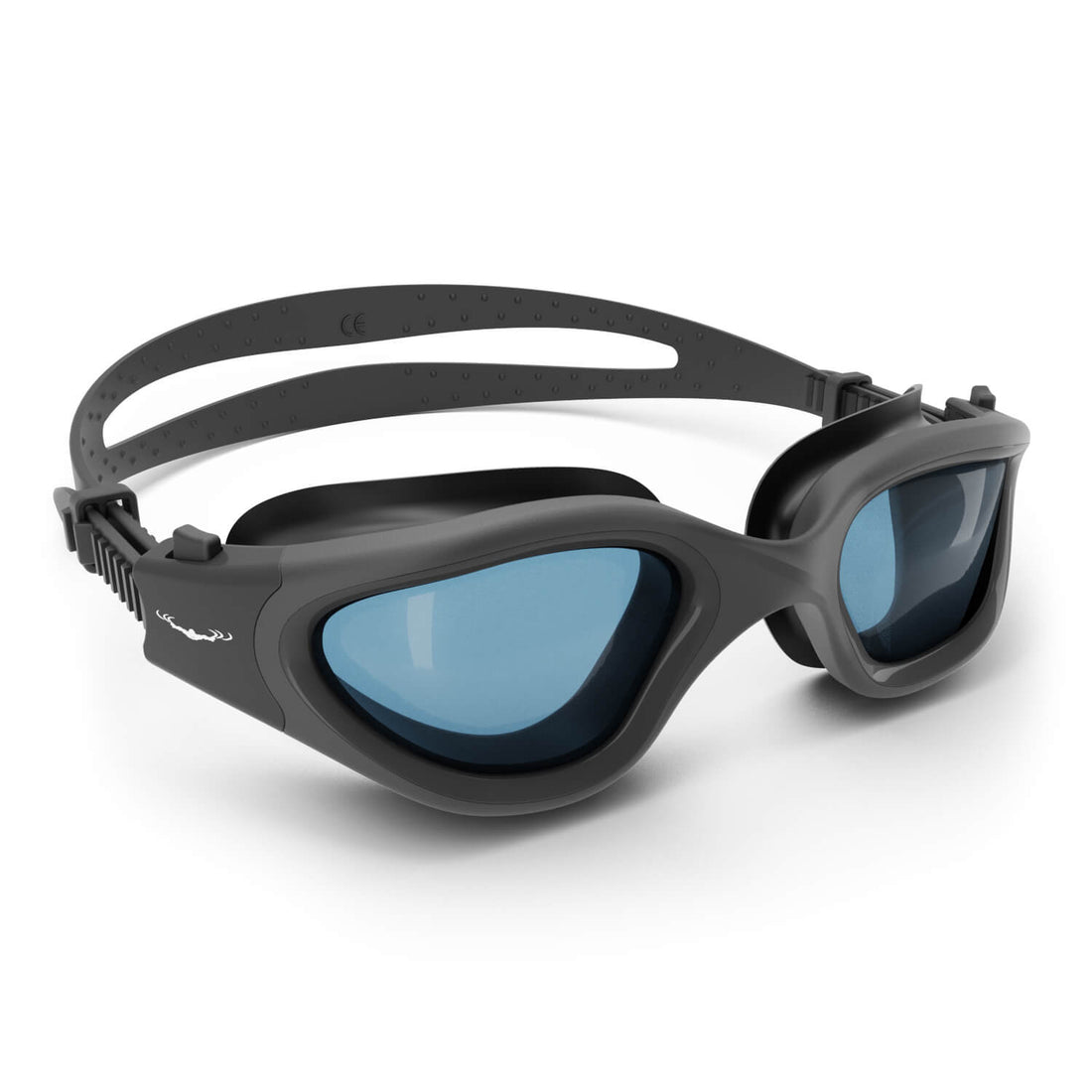
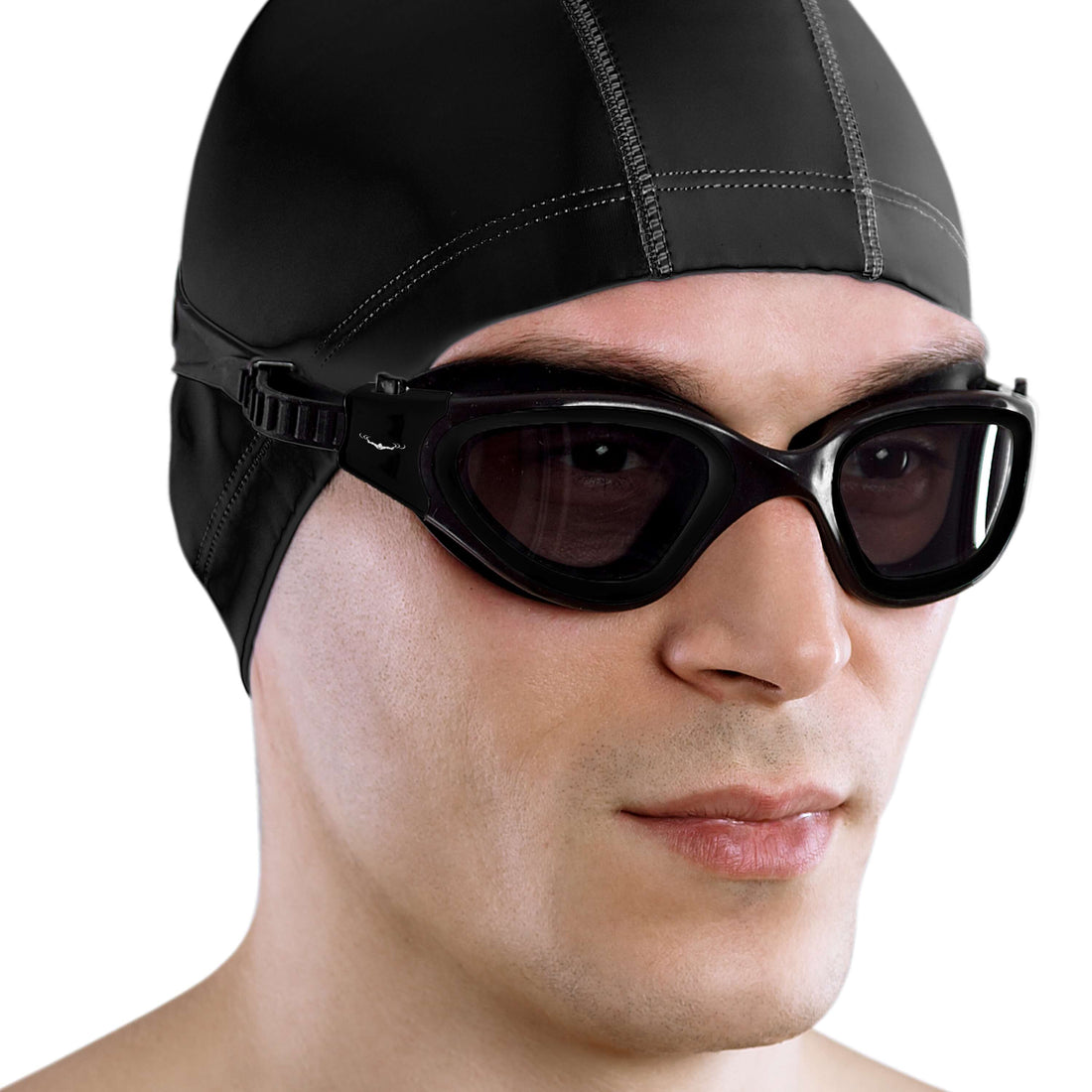
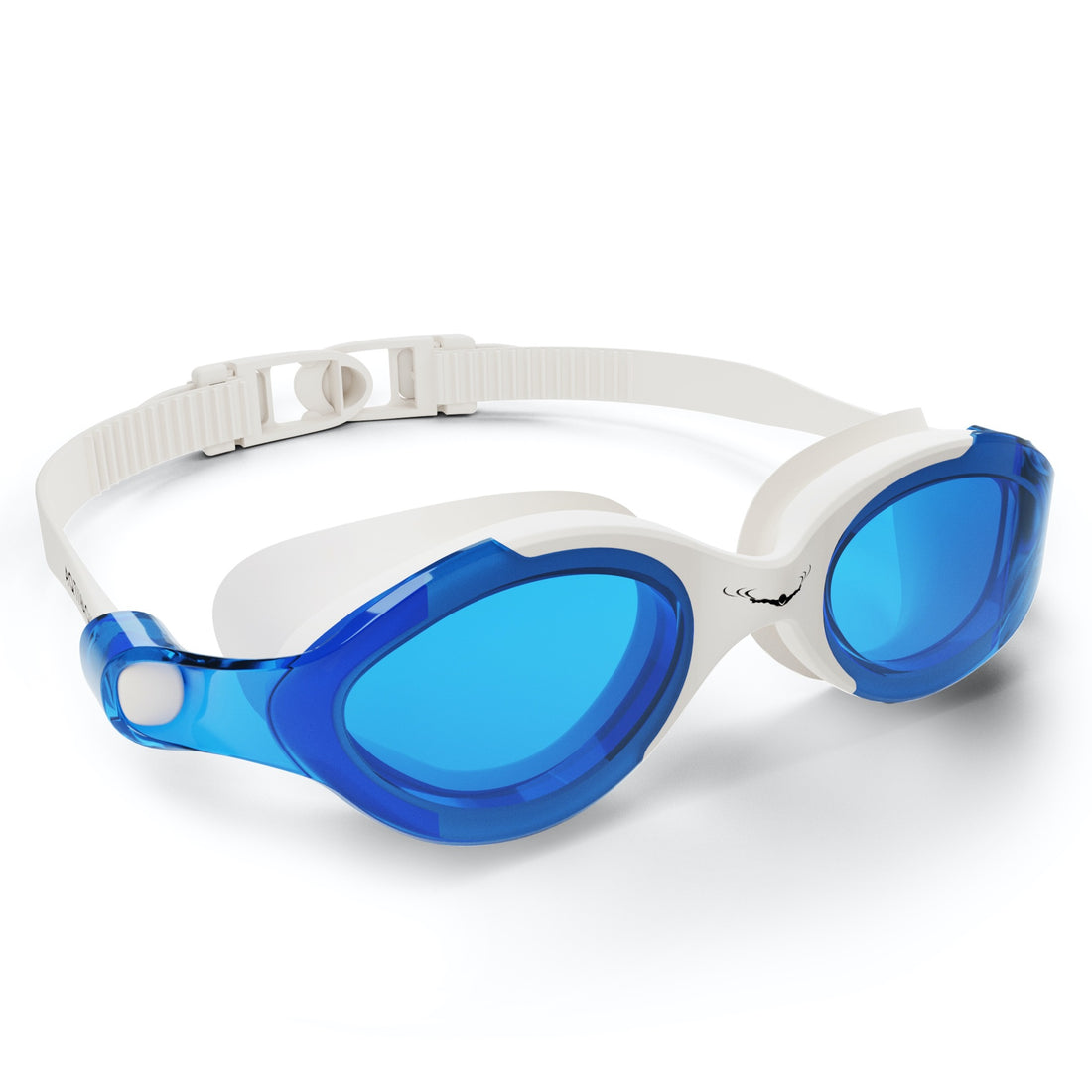
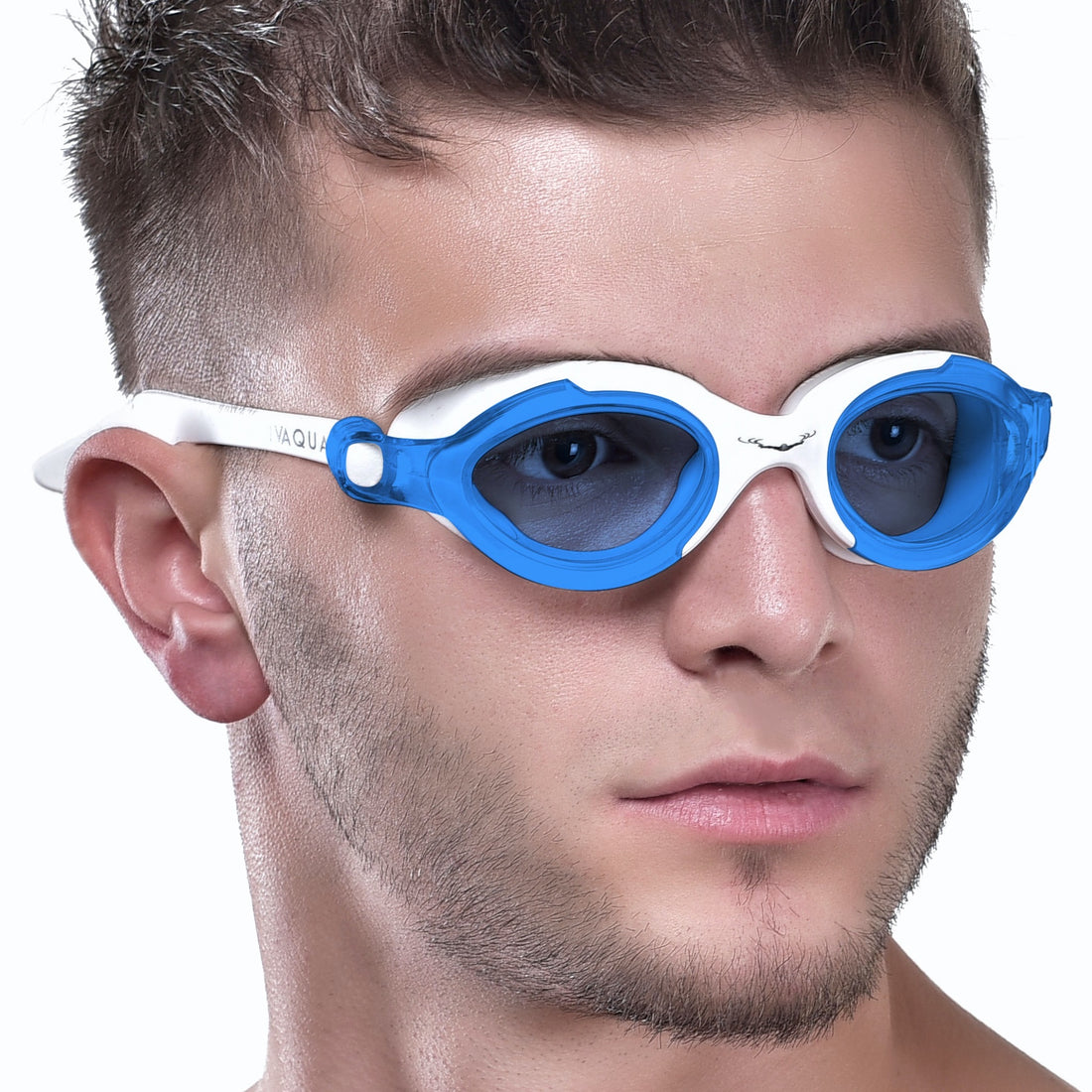
To fully benefit from the meditation aspect of swimming, having the right gear is essential. Swim goggles are not just a functional piece of equipment; they can impact your experience tremendously. Here’s how:
Improved Visibility
Wearing swimming goggles allows you to see clearly underwater, providing a sense of safety and comfort. This focus on your surroundings can help you concentrate more on your strokes and breathing techniques, further enhancing your meditative experience. The clearer the water appears, the less your mind is preoccupied with the uncertainty of your environment.
Minimizing Distractions
Regular swim goggles keep water from getting into your eyes, reducing irritability and distractions while swimming. This allows you to stay focused on your thoughts or the meditative state you wish to achieve. Your mind can stay in tune with your body, facilitating a deeper connection with your swimming practice.
Establishing a Meditative Routine in Swimming
To harness the meditative properties of swimming, it’s essential to establish a routine. Here are some tips to create a regular practice that infuses mindfulness into your swims:
Schedule Regular Swimming Sessions
Establishing a consistent swimming routine helps your mind and body adapt to the meditative process. Whether it's a daily session or a few times a week, find a time that works best for you. Make it an unmissable part of your schedule, allowing you to look forward to that time in the water.
Create a Pre-Swim Ritual
Engage in a pre-swim ritual to prepare your mind. This could include gentle stretches, deep breathing exercises, or a short meditation on the poolside. By having a routine before entering the water, you signal to your body and mind that it’s time to shift into a more serene mode.
Mindful Techniques While Swimming
Once you’re in the water, try incorporating the following techniques to elevate your meditation and mental focus:
Breath Control
Breathing is crucial not just for life, but for enhancing swimming techniques. Focus on your breath during each stroke. Inhale deeply and exhale slowly, letting your mind synchronize with the rhythm of your swimming. This control can lead to a more profound meditative state and increased relaxation.
Visualizing Your Path
While wearing your swim goggles, visualize the underwater world around you. Imagine yourself flowing seamlessly through the water, letting each stroke become a part of this visualization. This practice can enhance both your swimming speed and your mental clarity, allowing you to immerse yourself even further in the experience.
The Connection Between Mind and Body in Swimming
Swimming creates a unique synergy between the mind and body. The physical exertion of swimming requires mental focus, while the tranquility of water encourages a sense of calm. Here’s how to enhance this connection:
Body Awareness
Pay attention to how your body feels in the water. Notice how each muscle works in unison with your breath. This level of awareness will deepen your meditative experience, creating a powerful bond between mind, body, and spirit during each session in the water.
Letting Go of Negative Thoughts
As you swim, negative thoughts may creep in, disrupting your peace. Acknowledge these thoughts, but don't dwell on them. Visualize them floating away like bubbles in the water. This practice not only enhances your mental health but also improves your performance in the water.
The Benefits of Swimming Meditation
Engaging in state-of-the-art swimming meditation has several psychological advantages:
- Increased Mental Clarity: Regular meditative swimming can enhance problem-solving abilities and creativity, providing a greater sense of mental sharpness.
- Stress Reduction: Swimming has been tied to lower levels of anxiety and stress. Being in the water can create a safe space away from the complexities of daily life.
- Improved Sleep Patterns: Those who swim regularly often find that they experience better sleep quality, contributing to overall mental health.
Embracing the Aquatic Lifestyle
Swimming as a form of meditation isn't just about diving into the water; it's about embracing a lifestyle. To enhance your experience further and promote a profound connection with the sport, consider the following:
Join a Swimming Community
Being part of a swimming community encourages accountability and motivation. Sharing your insights and experiences with fellow enthusiasts can enrich your practice and provide valuable support.
Take Swimming Lessons
If you’re new to swimming or looking to enhance your skills, consider lessons. A qualified coach can provide expert advice on techniques that support both your physical and mental health, deepening your swimming experiences.
Making Waves in Your Mental Health Journey
Swimming as meditation is a practice that combines physical activity with mental clarity and peace. By embracing the psychology of swimming, you can shift your focus from mere performance to a more enriching and fulfilling experience. The act of gliding through water while wearing well-fitted swim goggles can transport you into a space of tranquility that nurtures your mind and spirit. Dive into the transformative world of swimming. Let it not only be a sport but a pathway to your mental well-being. Whether you’re aiming to compete or simply looking for a new form of relaxation, the water is always waiting for you to discover its depths.
Glossary
| Term | Meaning |
|---|---|
| Mindfulness | The practice of being present in the moment. |
| Buoyancy | The ability of water to support weight, creating a feeling of weightlessness. |
| Swim Goggles | Protective eyewear that improves visibility underwater. |
| Rhythmic Movement | Repetitive actions in swimming that promote a meditative state. |
| Breath Control | Focusing on breathing patterns to enhance swimming and meditation. |
| Body Awareness | Being conscious of how the body feels and moves in water. |
| Visualization | Imagining scenarios to enhance focus and performance while swimming. |
| Pre-Swim Ritual | A routine before swimming to prepare the mind and body. |
| Swimming Community | A group of individuals who share a passion for swimming. |
| Meditative Routine | A consistent practice that incorporates mindfulness into swimming. |
Linked Product

DX Wide View Swim Goggles + SHOCK Protective Case
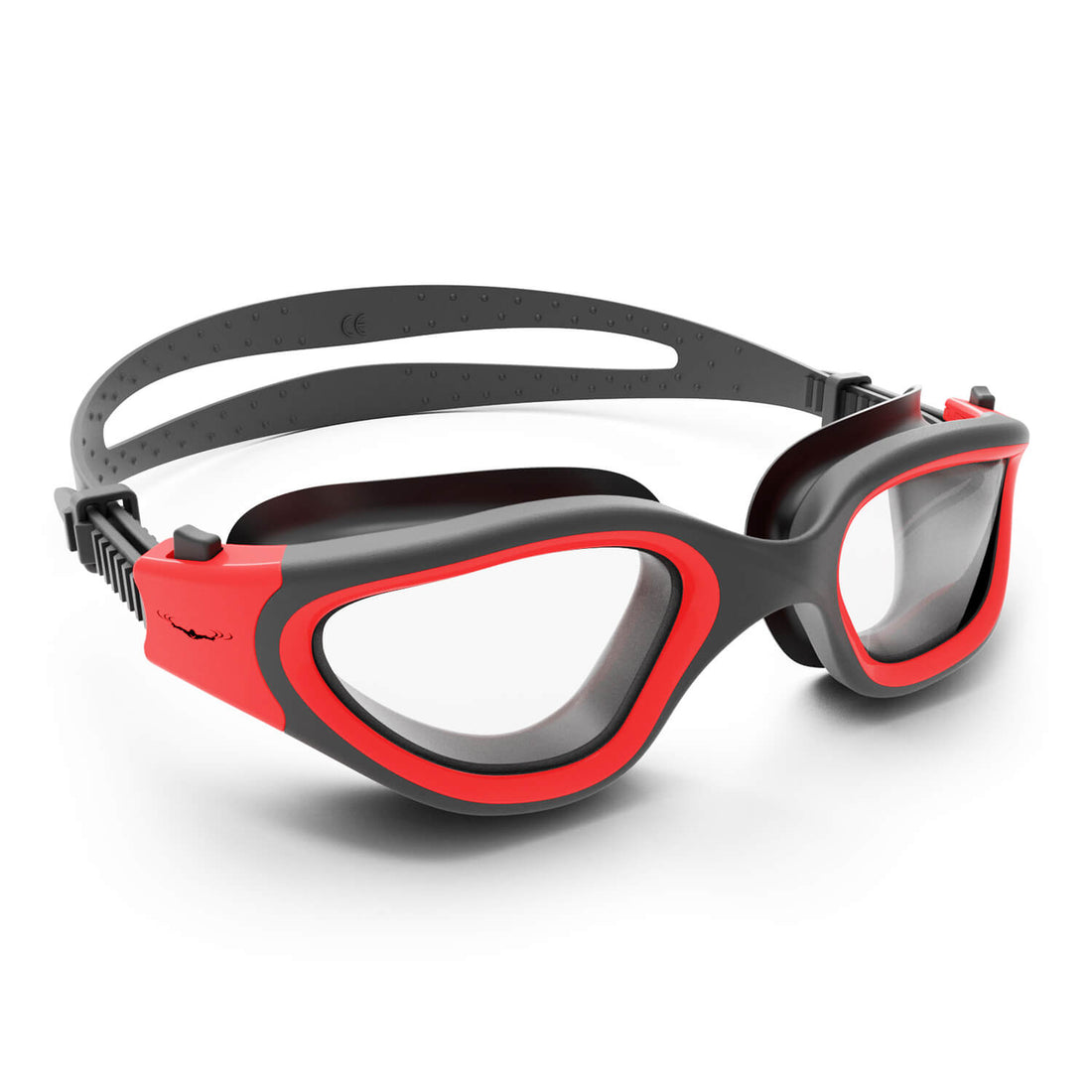
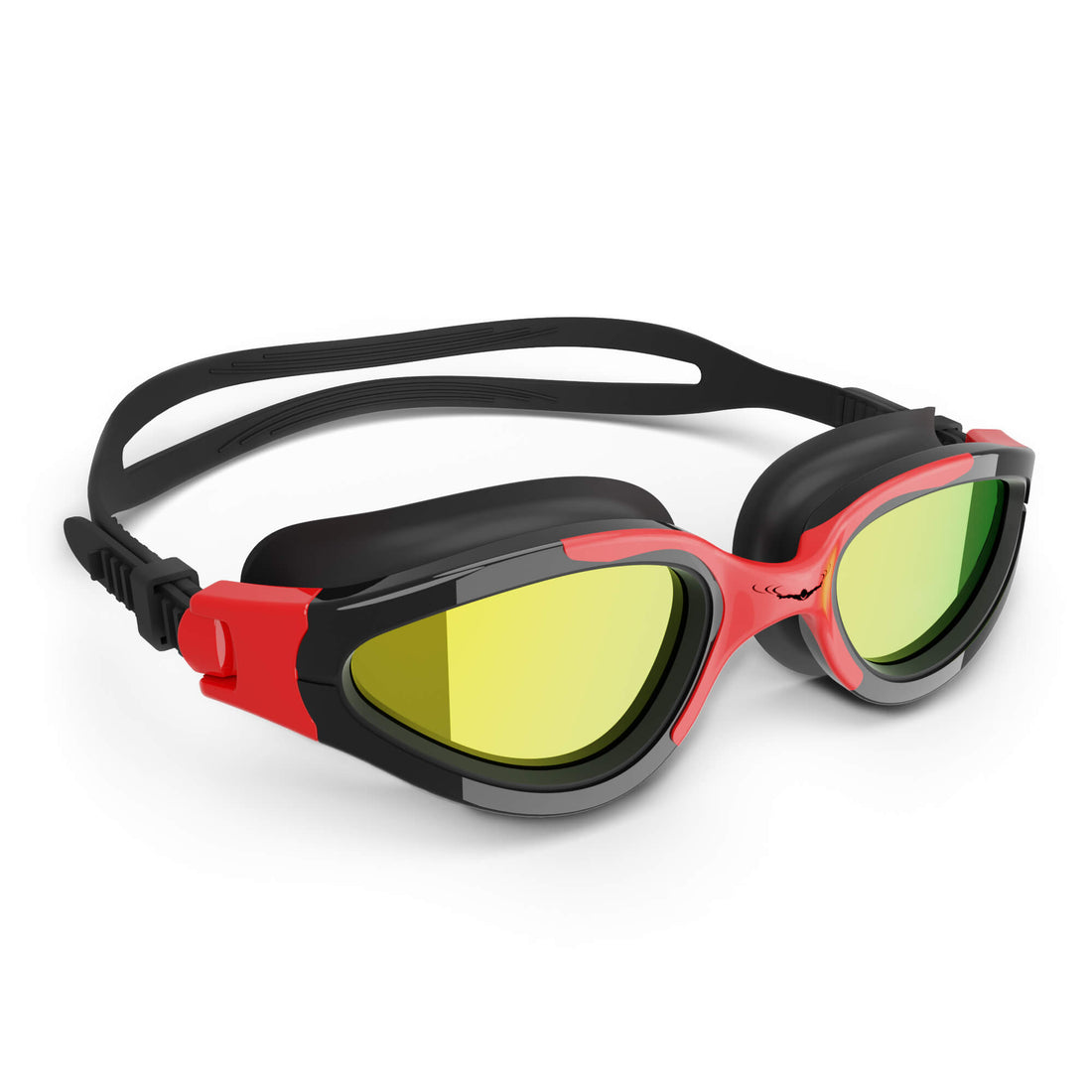
The DX Wide View Swim Goggles feature clear 180° polycarbonate lenses that provide true-color visibility, making them ideal for indoor and low-light swimming environments. With advanced anti-fog technology and a secure, comfortable fit, these goggles ensure a distraction-free experience in the water. The included SHOCK protective case allows for quick-dry storage, enhancing their durability and convenience for regular use.
View Product