

Overview
Swimming is not just a physical activity; it fosters a deep mind-body connection that enhances performance and enjoyment. Achieving a state of flow in swimming involves mastering skills, maintaining focus, setting goals, and feeling comfortable in the water. Proper equipment, such as well-fitting goggles, is essential for reducing distractions. Mindfulness and breathing techniques further enhance the experience, contributing to emotional well-being. Different swimming styles offer unique benefits, and attention to hydration and nutrition can support overall performance. Embrace the journey of swimming to unlock its full potential.
Table of Contents
- The Power of Flow in Swimming
- Understanding Flow in a Swimming Context
- The Role of Equipment in Enhancing Flow
- Choosing the Right Swimming Goggles
- The Mind-Body Connection in Swimming
- Breath Awareness and Mindfulness
- The Emotional Benefits of Swimming
- Building Resilience Through Swimming
- Exploring Different Swimming Styles for Enhanced Flow
- Freestyle
- Breaststroke
- Butterfly
- Backstroke
- Hydration and Nutrition: Supporting Your Swim Flow
- Diving Into the Future: Growth in the Art of Swimming
Key Takeaways
- Flow State: Achieving a flow state in swimming enhances performance and enjoyment, characterized by effortless motion and a deep connection with the environment.
- Skill Development: Your level of expertise directly influences your ability to find flow; improved skills make challenges feel less daunting.
- Mindfulness: Concentrating on your movements, breath, and the sensation of water is crucial for entering a meditative state while swimming.
- Equipment Matters: Quality swimming gear, especially goggles with anti-fog features and a wide view, can significantly improve comfort and performance.
- Breathing Techniques: Rhythmic and mindful breathing helps manage stress and enhances the mind-body connection during swims.
- Emotional Benefits: Regular swimming can alleviate stress, anxiety, and depression, serving as a form of meditation that promotes emotional balance.
- Community Support: Engaging with fellow swimmers fosters camaraderie, boosting motivation and resilience through shared experiences.
Swimming is more than just a physical activity; it is an intricate dance between the mind and body. The calming embrace of water can lead to a meditative state, enhancing both mental and physical performance. In this article, we will explore how the psychology of swimming plays a crucial role in finding your flow, maximizing your potential, and enjoying every stroke.
The Power of Flow in Swimming
Flow is described as the state where you are completely immersed in an activity. For swimmers, entering this state can enhance performance and enjoyment. When athletes find their flow, they experience a sense of effortless motion, time distortion, and a deep connection with their environment. This state not only improves striving for peak performance but also enhances the overall swimming experience.
Understanding Flow in a Swimming Context
In the realm of swimming, achieving flow requires a perfect balance of challenge and skill. You might ask: What does it take to reach your optimal state in the water? Here are some elements that facilitate this connection:
- Skill Level: Your level of expertise influences your ability to flow. As you become more proficient with your strokes, breathing techniques, and turns, the challenges you encounter become less daunting.
- Focus: Eliminating distractions is crucial. Concentrate solely on the rhythm of your movements, your breath, and the feeling of water against your skin.
- Goals: Establishing clear, achievable goals for each swim can create a roadmap toward flow. Whether it's increasing your lap time or mastering a new stroke, having a purpose goes a long way.
- Comfort in Water: The more comfortable and at ease you feel in the water, the easier it becomes to lose yourself in the rhythm of swimming.
The Role of Equipment in Enhancing Flow
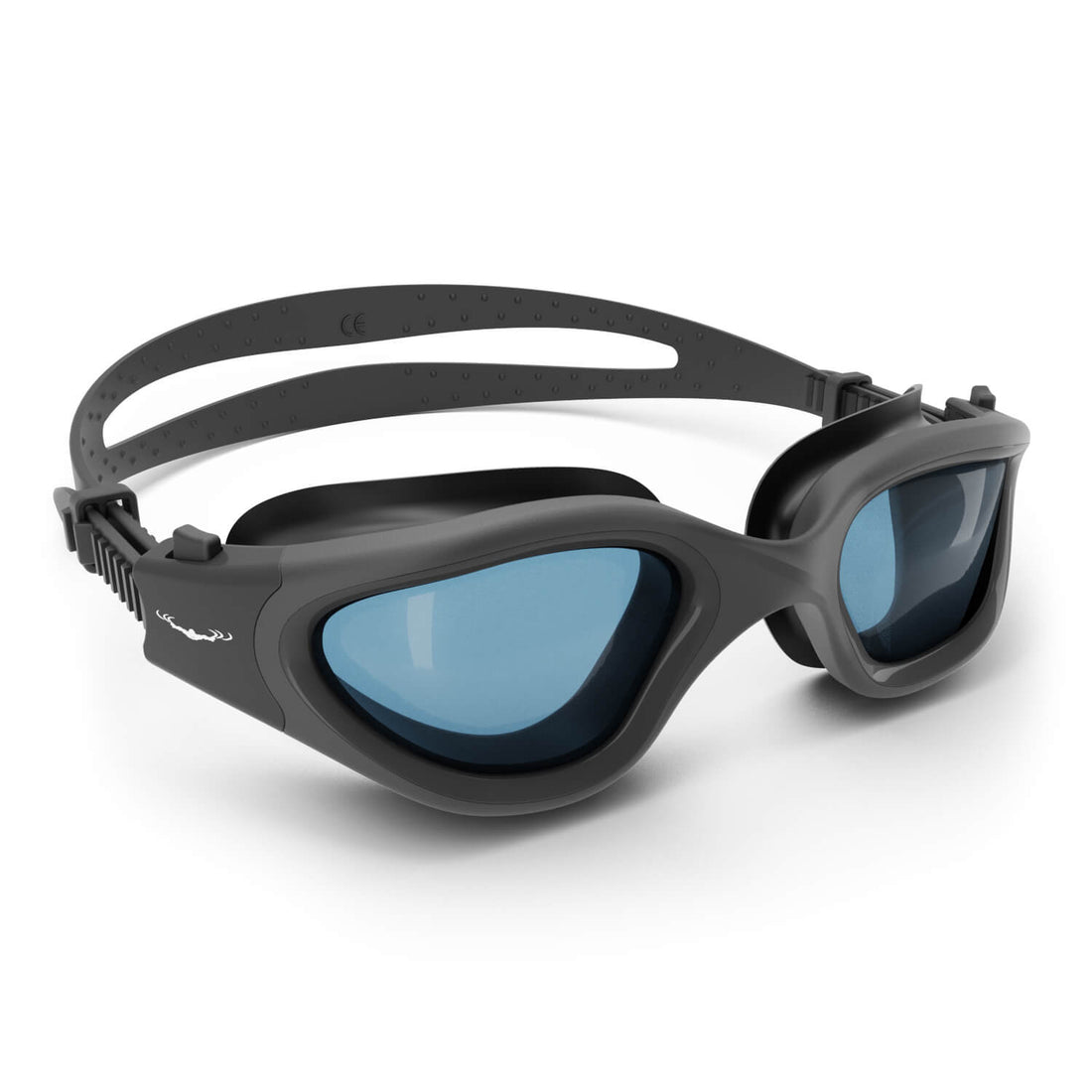
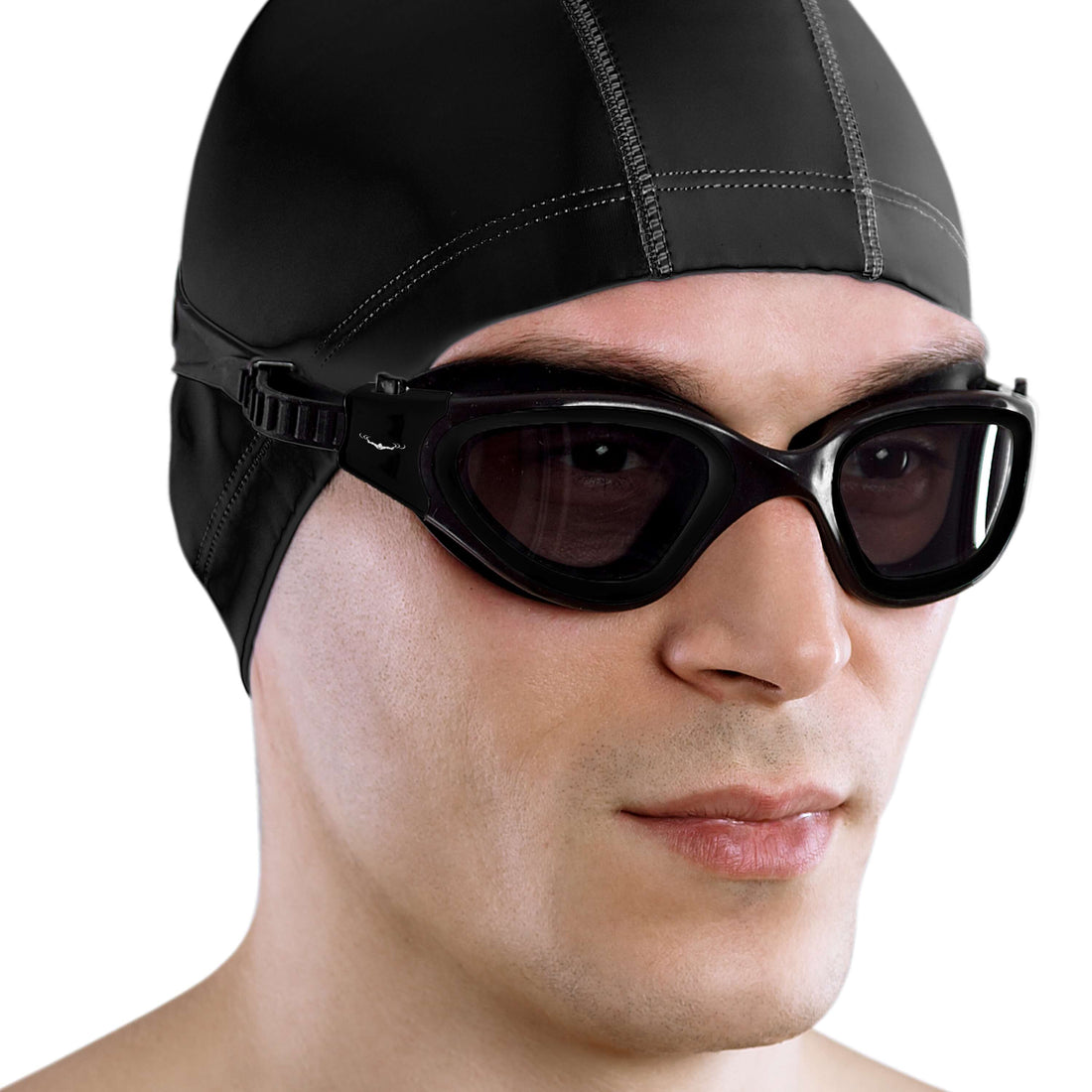
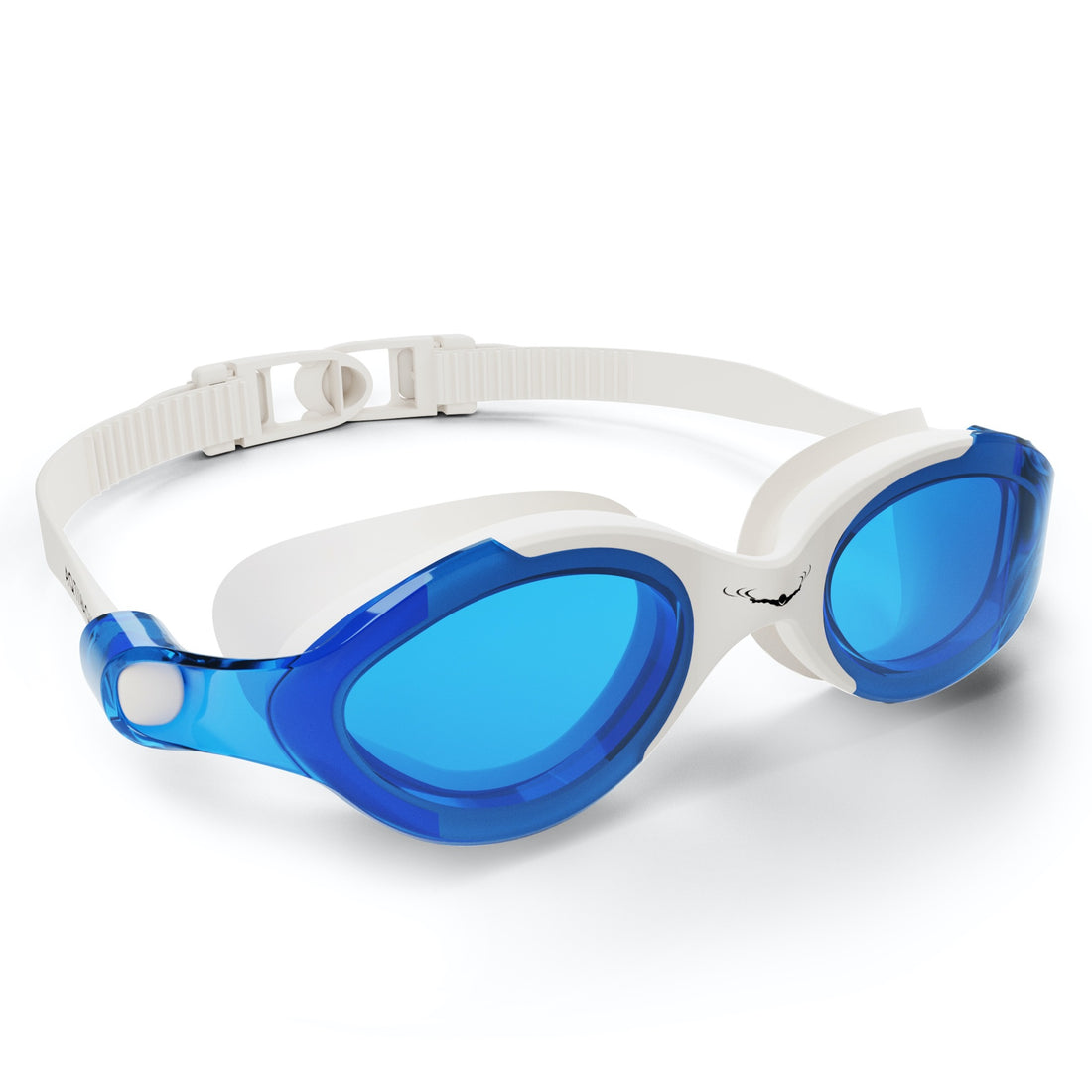
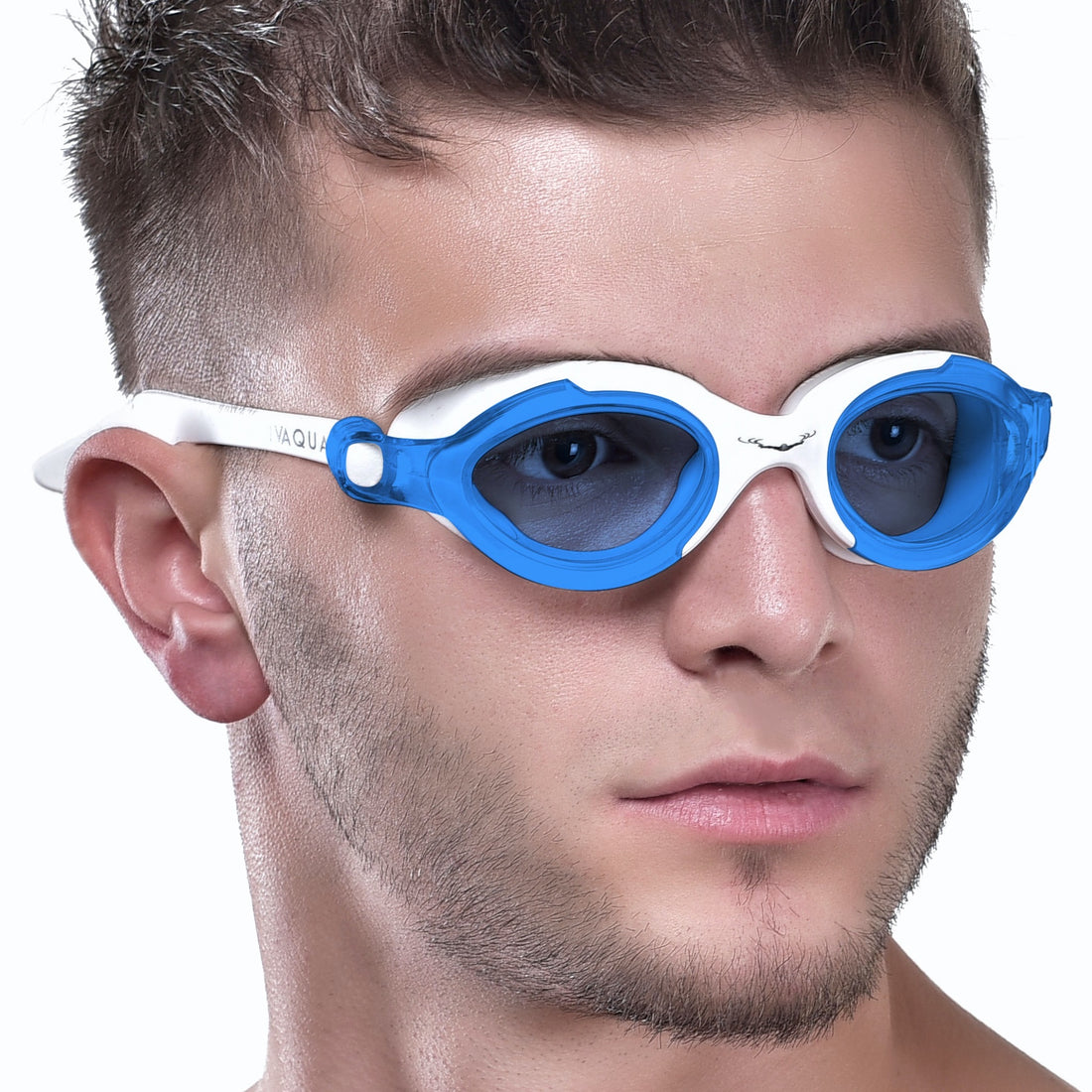
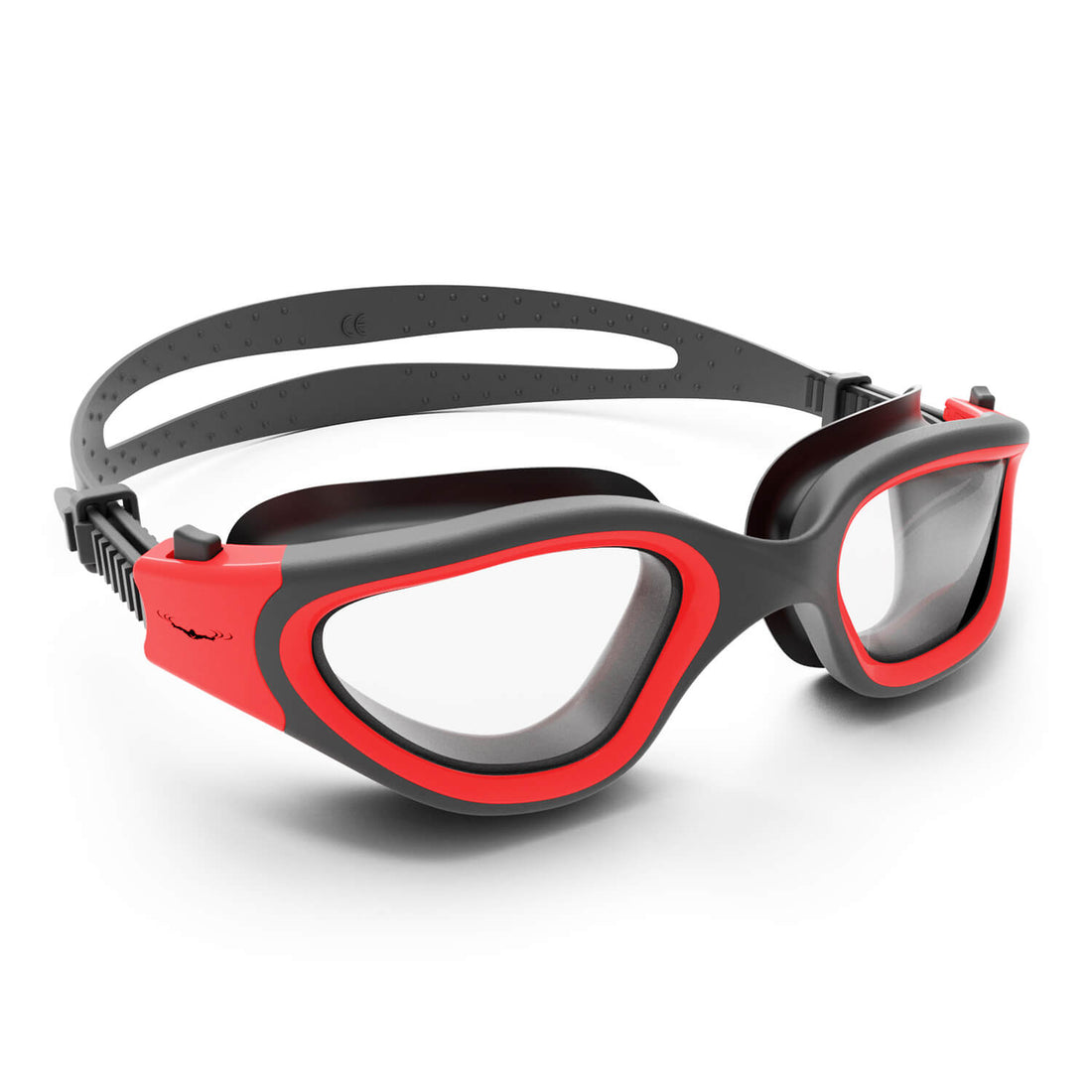
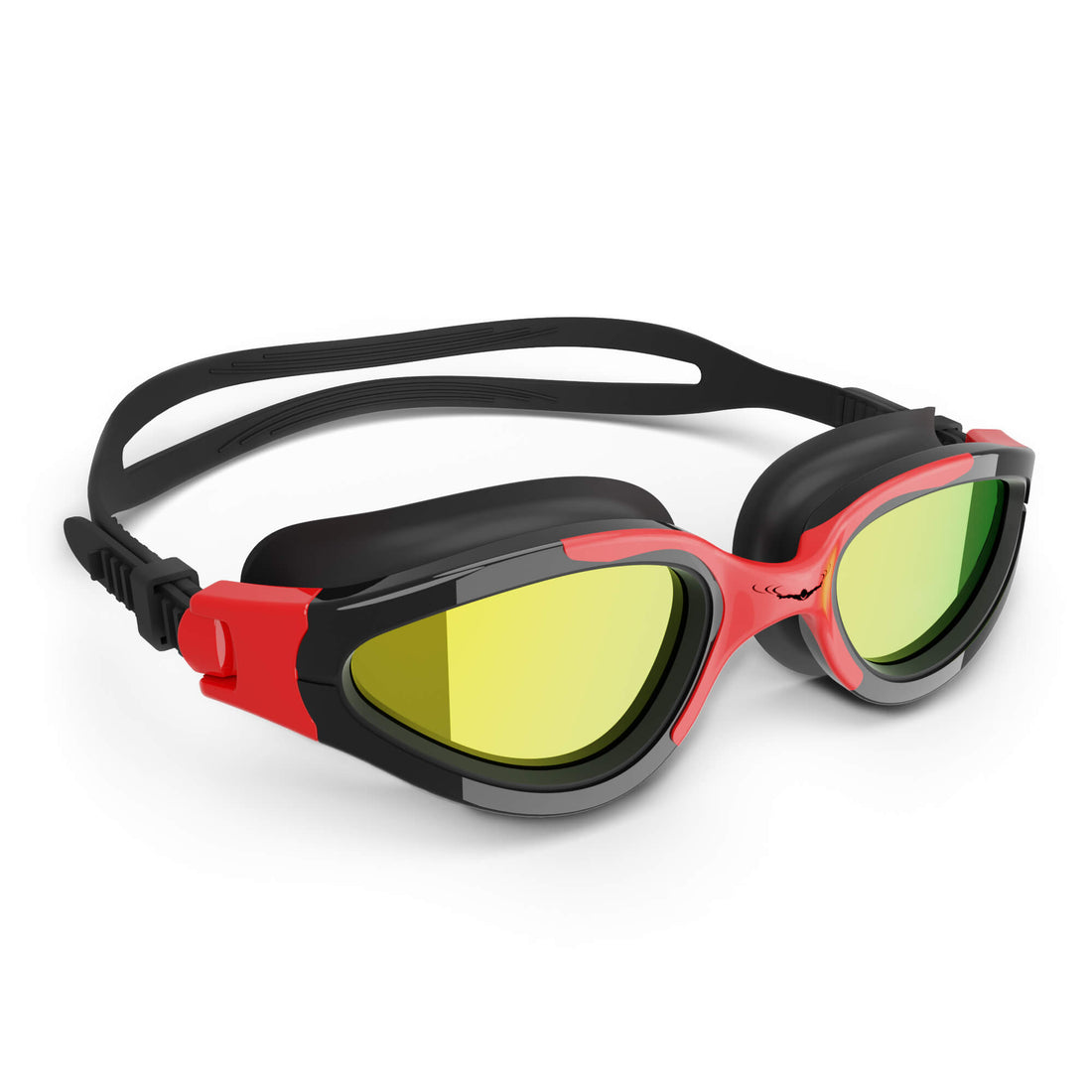
Among the essential factors that contribute to achieving a flow state during swimming, the right equipment plays a significant role. Investing in quality swimming gear can enhance your overall experience. For instance, having wide view swim goggles can expand your field of vision while swimming, allowing you to feel more connected to your surroundings. A clear view of the pool or open water can reduce anxiety and foster a deeper relaxation.
Choosing the Right Swimming Goggles
The choice of swimming goggles can significantly affect your comfort and performance. If you struggle with fogging or discomfort, it can be challenging to attain that perfect mental state conducive to flow. Here are some key tips for selecting the right swimming goggles:
- Comfort: Ensure the goggles fit snugly without pinching. A good seal can reduce water leakage and increase your confidence while swimming.
- Wide View: Opt for swimming goggles designed with a wide lens to enhance visibility and spatial awareness.
- Anti-fog Features: Goggles with an anti-fog coating can ensure that your view remains clear throughout your swim, allowing you to focus on your performance rather than adjusting your gear.
The Mind-Body Connection in Swimming
The symbiotic relationship between your mind and body is at the heart of swimming psychology. When you glide through the water, the fluid motion should feel harmonious, bringing about relaxation and joy. Achieving this requires conscious effort, practice, and mindfulness.
Breath Awareness and Mindfulness
Breathing is a fundamental aspect of swimming that greatly influences your experience in the water. Breathing techniques play a vital role in not only your physical efficiency but also in how you manage stress and maintain focus. Proper breath control can help you stay calm and present, nourishing the mind-body connection. Here are a few techniques:
- Rhythmic Breathing: Coordinate your breath with your stroke rhythm. Inhale through your mouth and exhale through your nose to create a steady flow.
- Mindful Breathing: Practice deep breathing exercises while swimming to increase your oxygen intake and calm your mind, allowing you to achieve a meditative state.
- Visualization: Picture yourself swimming effortlessly. Visualization can reinforce positive outcomes and enhance self-efficacy.
The Emotional Benefits of Swimming
Swimming not only cultivates physical skills but also offers significant emotional benefits. Engaging regularly in swimming can help in managing stress, anxiety, and depression. The repetitive nature of strokes and movement can serve as a form of meditation, promoting emotional balance and mental clarity.
Building Resilience Through Swimming
Swimming teaches valuable life lessons about resilience and perseverance. Every swimmer encounters challenges, be it mastering new techniques or overcoming mental barriers. Here’s how swimming nurtures resilience:
- Setbacks Are Growth Opportunities: Losing a race or struggling with a technique can be frustrating, but each setback allows for reflection and growth.
- Consistency Is Key: The regular practice of swimming helps develop a firm sense of discipline and commitment.
- Community Support: Swimming often fosters a strong sense of community. The camaraderie among fellow swimmers can boost morale and motivation.
Exploring Different Swimming Styles for Enhanced Flow
Different swimming techniques can lead to varying experiences in achieving flow. Each stroke involves unique movements, which can elicit different responses from your mind and body. Here’s a brief overview of popular swimming styles:
Freestyle
Also known as the front crawl, freestyle is the fastest swimming style. It allows for natural body position, facilitating a smooth flow. Beginners or experienced swimmers can often find happiness and fluidity when practicing this stroke.
Breaststroke
This stroke is characterized by its distinctive glide and pull. It offers a steadier pace, allowing swimmers to focus on their breath and rhythm, making it easier to sink into a meditative state.
Butterfly
Considered one of the most challenging strokes, the butterfly can enhance both physical strength and mental resolve. The wave-like motion and rhythmic breathing can create a sense of grace and flow.
Backstroke
Swimming on your back provides a unique perspective, allowing you to gaze at the sky while moving through the water. The gentle movement and focus on maintaining a synchronized stroke can help release stress and evoke a sense of tranquility.
Hydration and Nutrition: Supporting Your Swim Flow
Just as important as the mental aspects of swimming is the physical side, specifically how hydration and nutrition affect your performance. Proper hydration is essential for maintaining energy levels, aiding recovery, and ensuring optimal cognitive function. Here’s how to support your swimming experience through nutrition:
- Stay Hydrated: Drinking water before, during, and after your swim helps maintain fluid balance in the body.
- Balanced Diet: Include a range of nutrients in your diet, focusing on proteins, complex carbohydrates, and healthy fats to fuel your swim.
- Pre-Workout Snacks: Consider having a small boost of energy before swimming with easily digestible snacks like bananas or energy bars.
Diving Into the Future: Growth in the Art of Swimming
As you become more attuned to the psychology of swimming, transforming your relationship with the water becomes a rewarding journey. By cultivating a stronger connection between your mind and body, enhancing your equipment choices, and learning from each experience in the pool, you can discover a newfound passion for aquatic activities.
Incorporating mindfulness, experimentation with various swimming styles, and understanding the impact of nutrition can further refine your swimming journey. Embrace the tranquility and freedom that comes with each stroke and dive headfirst into the flow. Ultimately, swimming is not just an exercise; it is a profound experience that awaits you every time you enter the water.
Frequently Asked Questions
1. What is the concept of flow in swimming?
2. How can I achieve a state of flow while swimming?
3. What role does equipment play in enhancing swimming flow?
4. How does breathing impact swimming performance?
5. What are some emotional benefits of swimming?
Glossary
| Term | Meaning |
|---|---|
| Flow | A state of complete immersion in an activity that enhances performance and enjoyment. |
| Skill Level | Your expertise that influences your ability to flow in swimming. |
| Focus | Eliminating distractions to concentrate on swimming movements and breath. |
| Comfort in Water | Feeling at ease in water, facilitating a deeper connection to swimming. |
| Mind-Body Connection | The relationship between mental and physical states that enhances swimming experience. |
| Rhythmic Breathing | Coordinating breath with stroke rhythm for better performance. |
| Visualization | Picturing yourself swimming effortlessly to boost confidence and outcomes. |
| Hydration | Maintaining fluid balance to support energy levels during swimming. |
| Breaststroke | A swimming style characterized by a glide and pull, promoting a steady pace. |
| Community Support | The camaraderie among swimmers that fosters motivation and morale. |
Linked Product

DX Wide View Swim Goggles + SHOCK Protective Case
The DX Wide View Swim Goggles feature clear, untinted 180° polycarbonate lenses for true-color visibility, ideal for indoor pools and low-light environments. With advanced anti-fog technology and a leak-free design, these goggles provide comfort and clarity during your swim. Additionally, the included SHOCK protective case ensures your goggles stay safe and dry between uses.
View Product