

Overview
This article serves as a comprehensive guide to selecting the right swimming technique, essential for enhancing performance and confidence in the water. Readers will learn about various swimming styles, key tips for choosing the most suitable technique based on individual goals and skill levels, and the importance of essential gear like swim goggles and ear bands. By understanding these elements, swimmers can improve their efficiency and enjoyment in the pool.
Table of Contents
- The Importance of Swimming Techniques
- Common Swimming Techniques
- Freestyle
- Breaststroke
- Backstroke
- Butterfly
- Choosing the Right Technique for You
- Assess Your Goals
- Your Skill Level Matters
- Essential Gear for Swimming Success
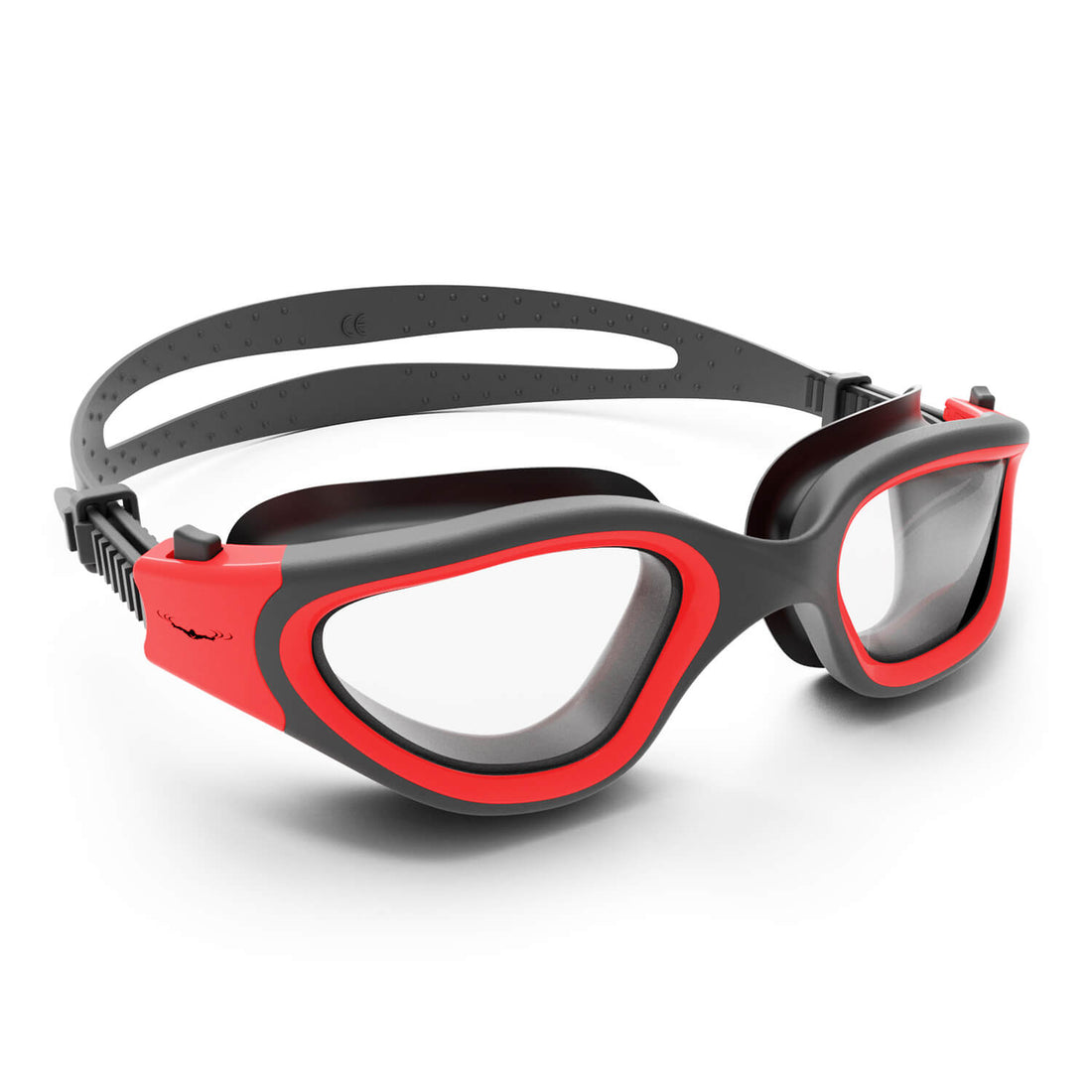
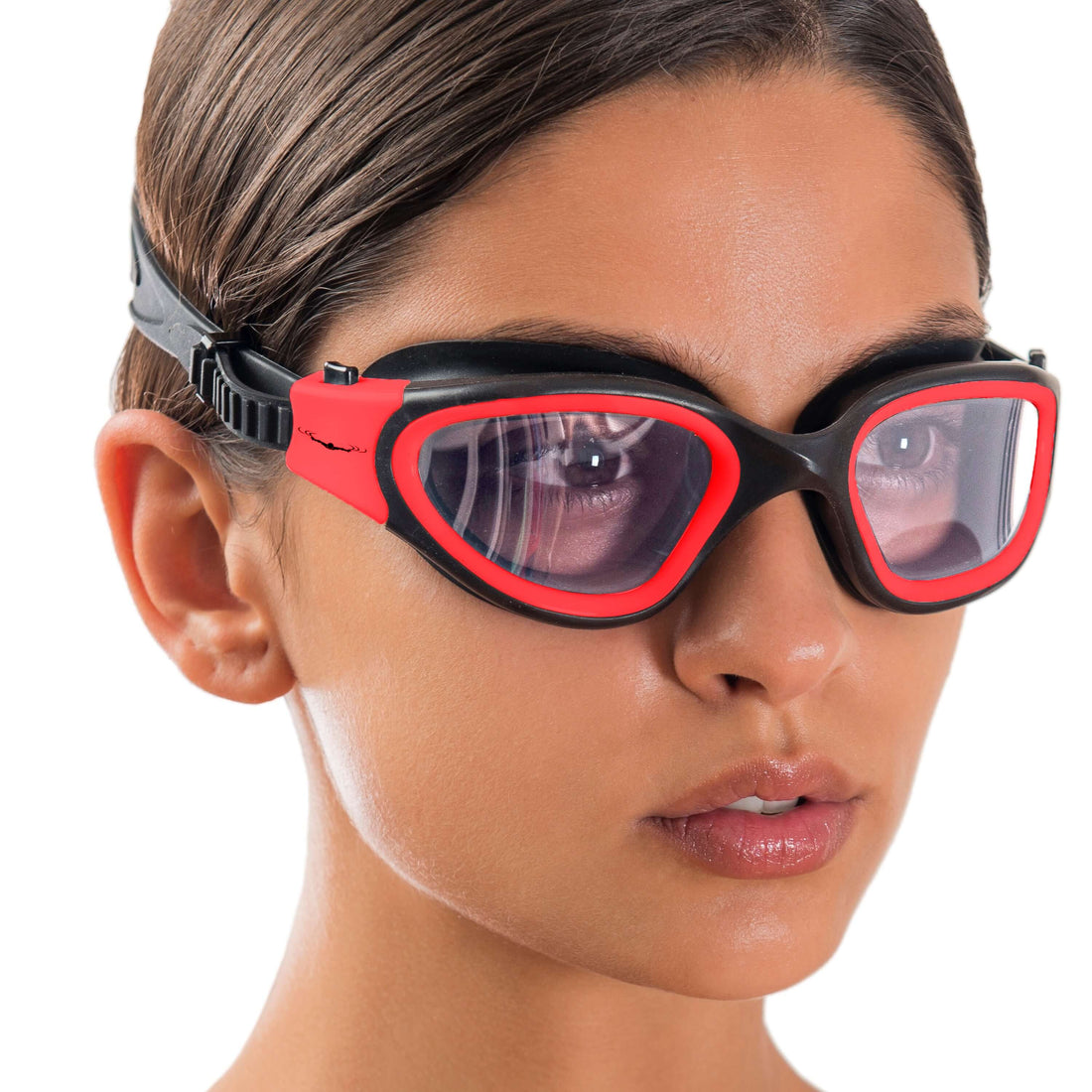
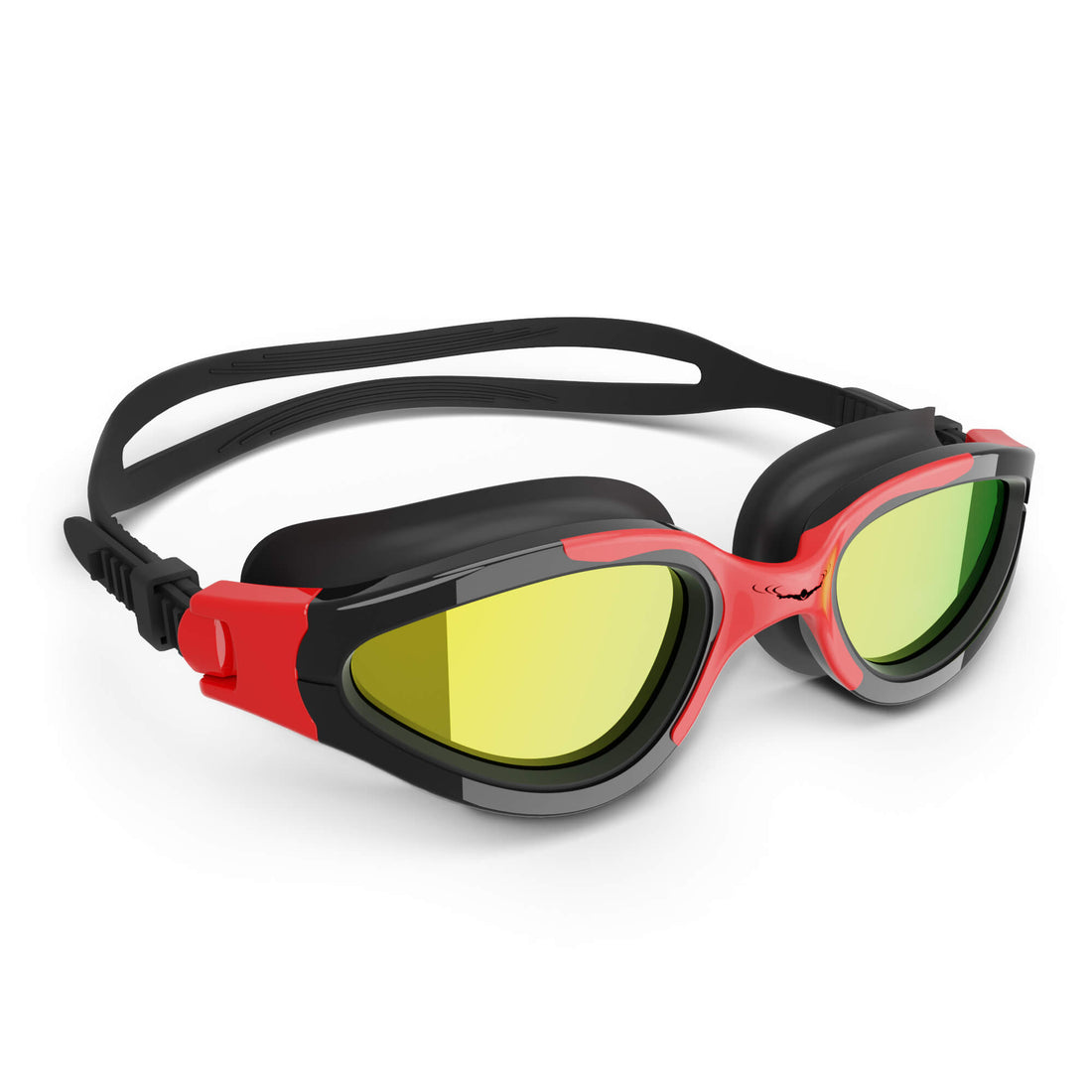
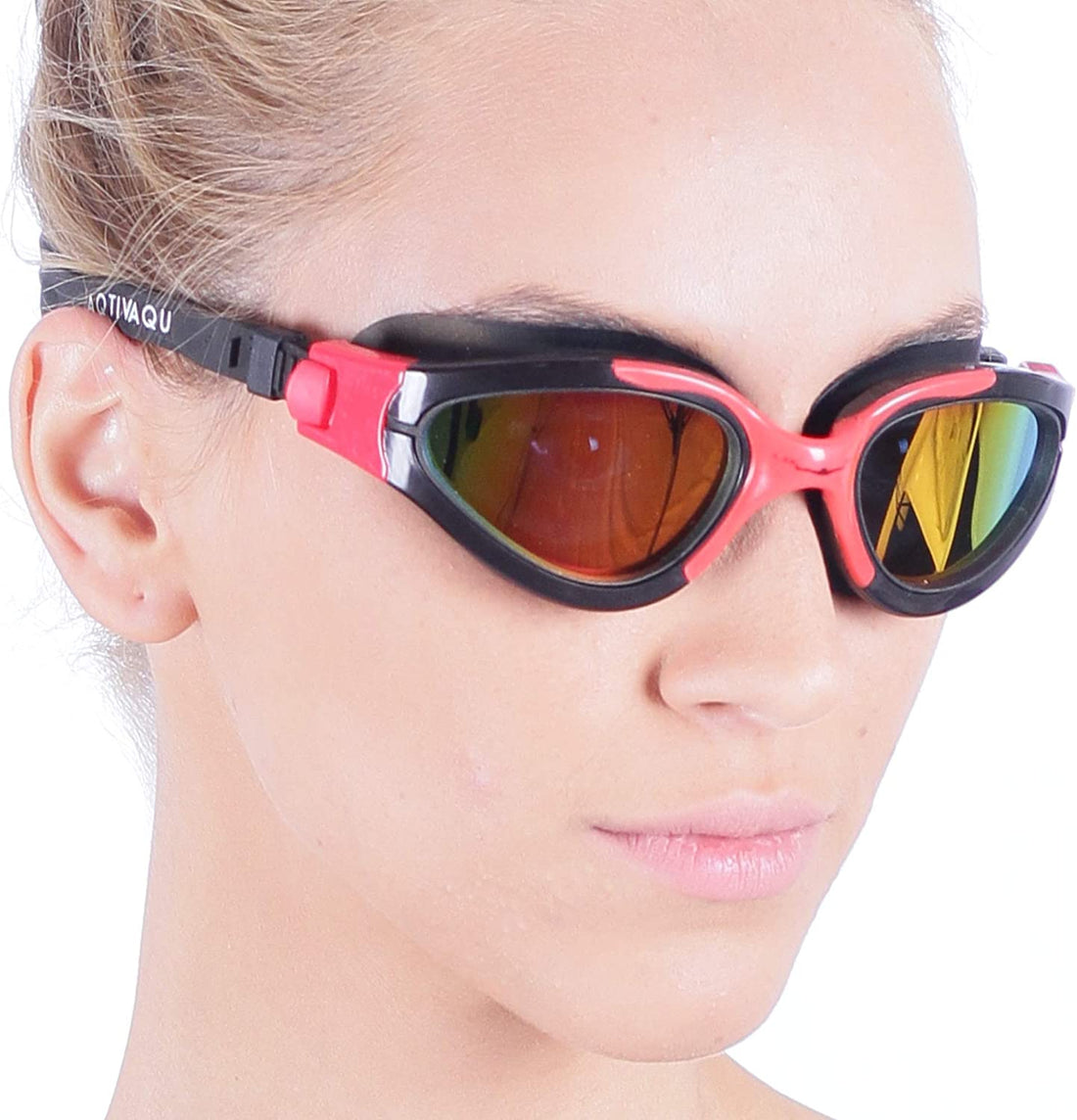
- Swim Goggles
- Swim Ear Bands
- Tips to Enhance Your Swimming Technique
- Find Your Flow in the Water
Key Takeaways
- Mastering Technique: Proper swimming technique enhances speed, efficiency, and reduces injury risk.
- Common Techniques: Familiarize yourself with freestyle, breaststroke, backstroke, and butterfly to diversify your skills.
- Assess Goals: Choose a swimming technique based on your personal goals, whether for fitness, relaxation, or competition.
- Essential Gear: Invest in quality swim goggles and ear bands to enhance comfort and safety while swimming.
- Regular Practice: Consistency is crucial; dedicate time each week to practice your chosen technique.
- Utilize Drills: Incorporate technique drills into your sessions to improve specific aspects of your swimming.
- Seek Feedback: Consider lessons or swimming with experienced individuals to gain constructive criticism and refine your skills.
Choosing the right swimming technique is essential for anyone looking to maximize their performance in the water. Whether you are a beginner or a seasoned swimmer, understanding the different techniques will allow you to become more efficient, effective, and confident in your swimming abilities. This guide will explore various swimming techniques, tips for choosing the right one, and the importance of some essential swimming gear like swim goggles and swim ear bands.
The Importance of Swimming Techniques
When it comes to swimming, technique is everything. Proper technique not only enhances speed and efficiency but also minimizes the risk of injury. Here are some key reasons why you should focus on mastering your swimming technique:
- Efficiency: Good technique allows you to glide through the water with minimal effort, resulting in less fatigue.
- Speed: A streamlined approach increases your swimming speed, giving you an edge in competitions or social swims.
- Form: Strengthening your technique helps in developing a strong swimming form, essential for all styles of swimming.
- Safety: Knowing the right techniques ensures that you can swim safely in different environments.
Common Swimming Techniques
Now that we understand the significance of swimming techniques, let's delve into some of the most common styles. Each technique has its nuances, and knowing what suits you best is crucial.
Freestyle
Freestyle, also known as front crawl, is arguably the most popular swimming technique. It’s known for its speed and efficiency, making it a staple in competitive swimming. Key points to remember include:
- Maintain a horizontal body position to reduce drag.
- Keep a consistent, steady kick while alternating your arms.
- Focus on breathing; try to breathe every two or three strokes for balance.
Breaststroke
Breaststroke is a favorite for many due to its unique rhythm and the ability to keep your head above water, making it easier for beginners. However, it requires a different coordination method:
- Inhale during the arm pull and submerge your head as you exhale.
- Use a frog kick while performing circular arm movements.
- Focus on gliding between strokes to maximize distance.
Backstroke
Backstroke is the only competitive stroke swum on the back. This technique is excellent for improving flexibility and shoulder strength:
- Keep your head back and look upwards to maintain a straight body line.
- Alternate your arms while kicking with a flutter kick, ensuring constant movement.
- Remember to focus on your core to stabilize your body.
Butterfly
Considered one of the most challenging techniques, the butterfly requires a high level of coordination and strength:
- Engage your core and use a dolphin kick to propel yourself.
- Synchronize your arm movement with the kick for an effective stroke.
- Practice breathing techniques to maintain speed without causing drag.
Choosing the Right Technique for You
When deciding which swimming technique to focus on, it's essential to consider your goals, fitness level, and personal preferences. Here is a guide to help you choose:
Assess Your Goals
Understanding what you want to achieve can make your decision easier:
- If your goal is fitness, freestyle or backstroke might be the best options.
- For relaxation and enjoying time in the water, breaststroke is more suitable.
- If you aim to compete and enhance your skills, practicing all four styles can be advantageous.
Your Skill Level Matters
Beginners may benefit from starting with the breaststroke or freestyle, as these techniques typically offer more comfort and ease. As you advance, you can transition to backstroke and butterfly to diversify your skill set.
Essential Gear for Swimming Success
No swimmer is complete without the right gear, and utilizing the proper equipment can significantly enhance your swimming experience.
Swim Goggles
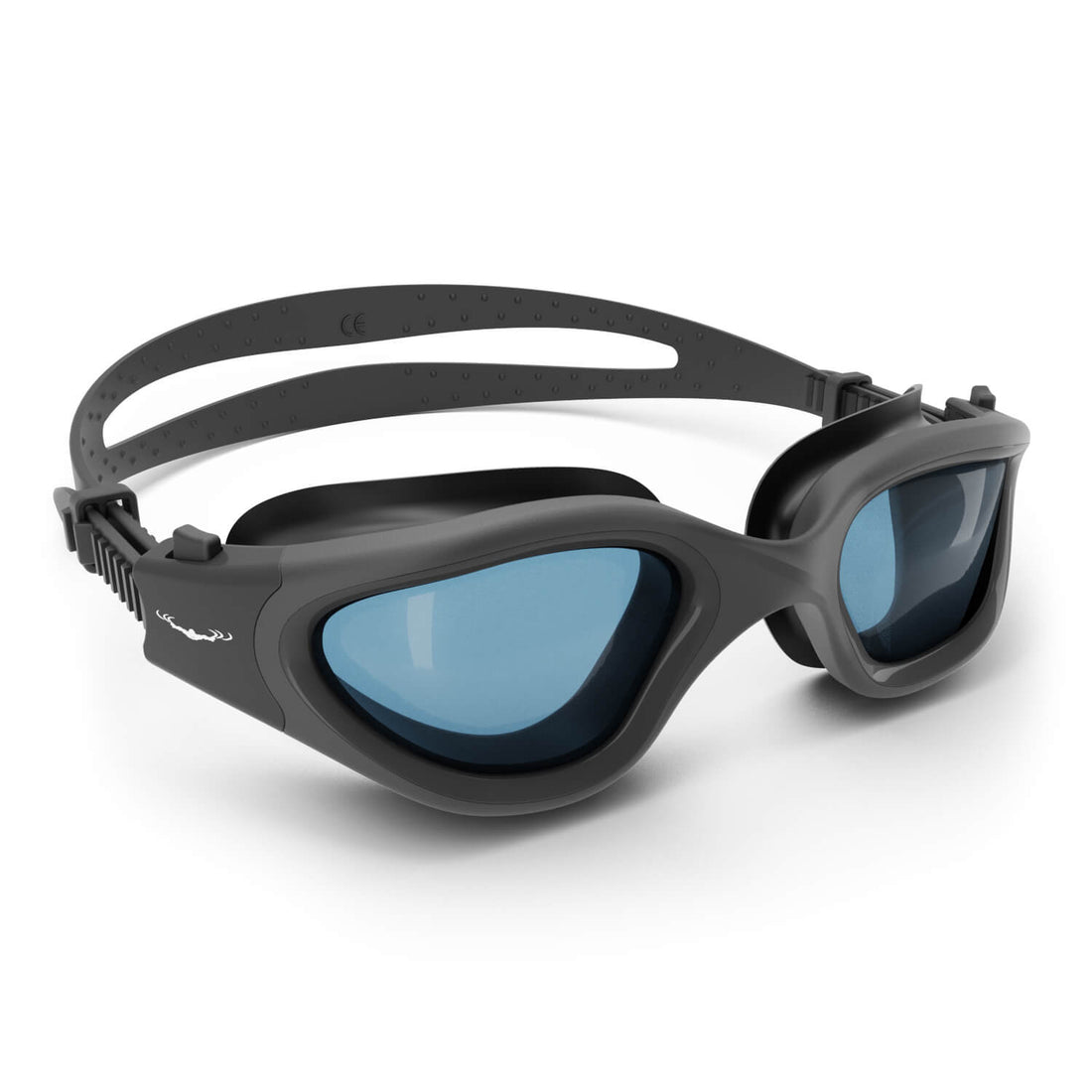
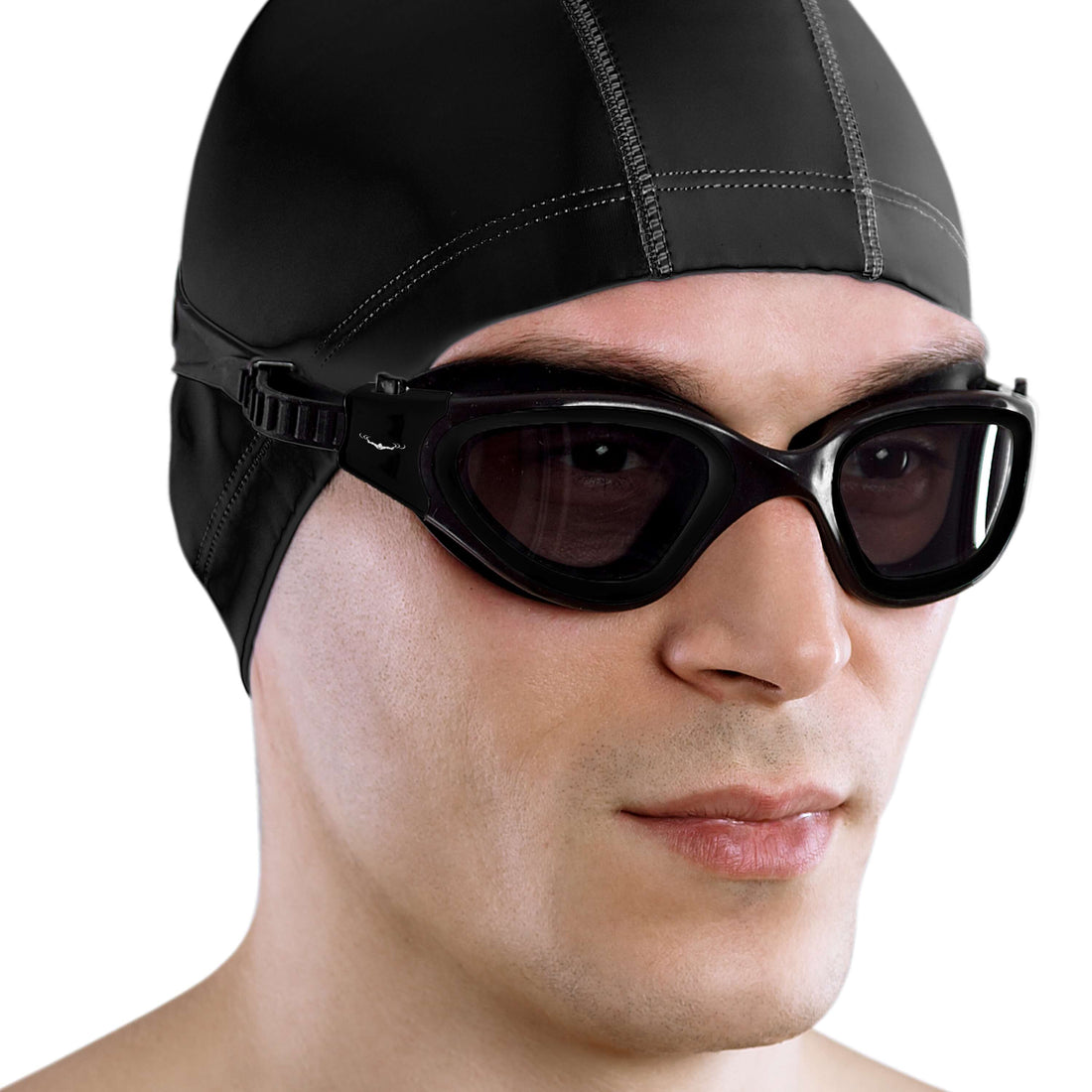
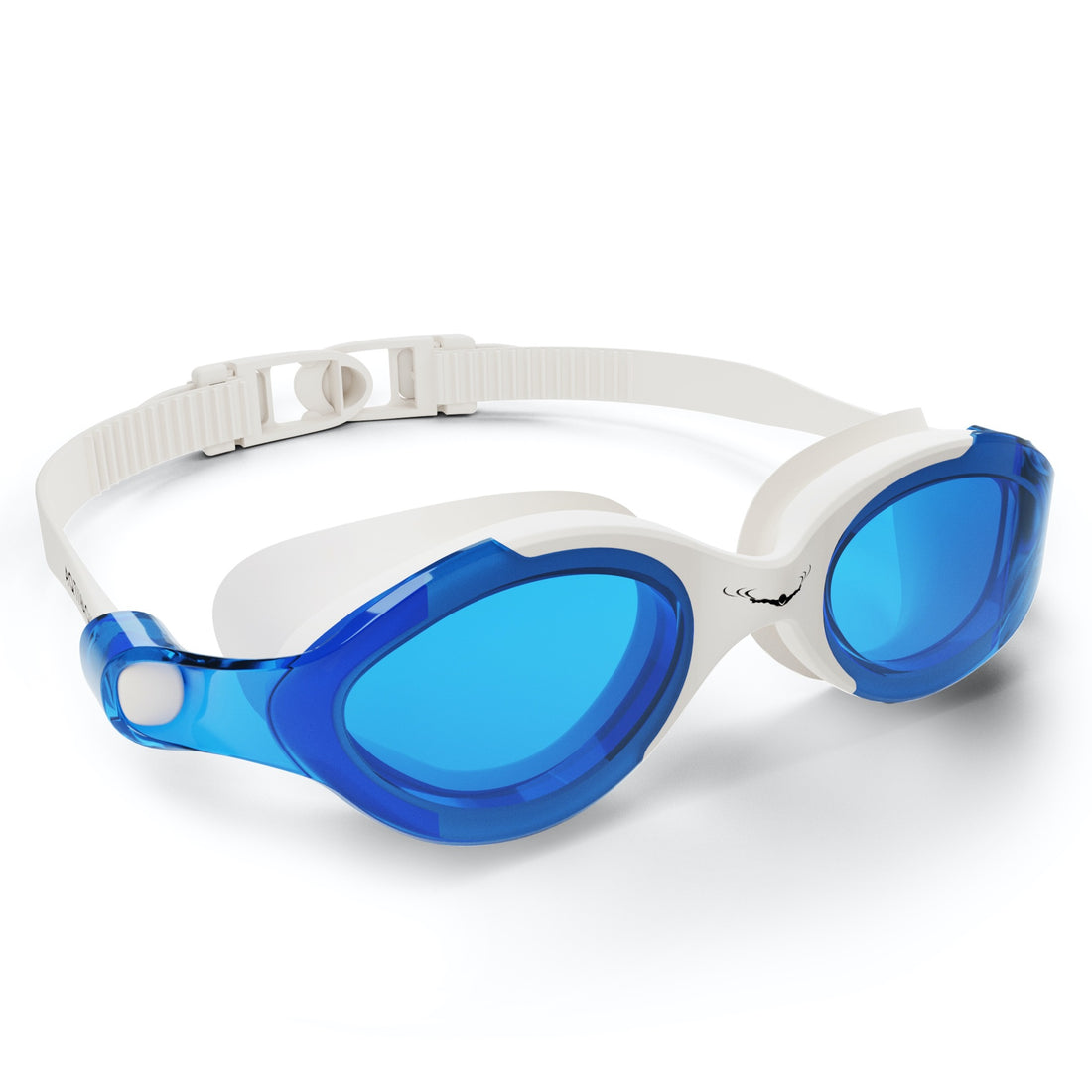
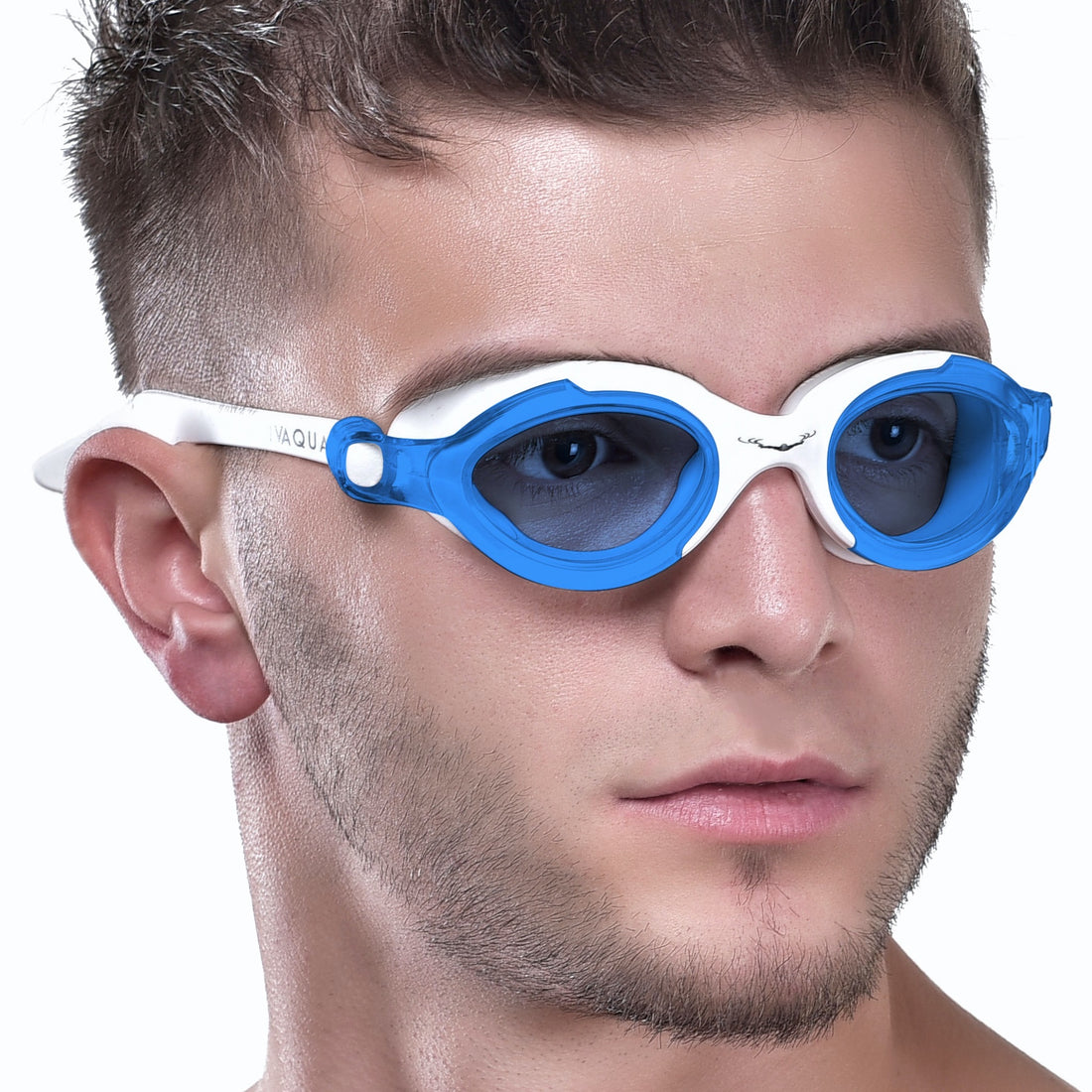
Swim goggles are crucial for protecting your eyes from chlorine and improving visibility underwater. Here are some tips for choosing swim goggles:
- Look for goggles with a comfortable fit and a watertight seal.
- Select lenses that suit your swimming environment - tinted lenses are great for outdoor swimming.
- Ensure that they are anti-fog for clear vision during your sessions.
Swim Ear Bands
Swim ear bands help prevent water from entering your ears while swimming, reducing the risk of ear infections, especially for those who enjoy swimming frequently. When considering swim ear bands, remember:
- Choose adjustable bands for the perfect fit.
- Opt for silicone materials for comfort and durability.
- Look for bands that offer stylish designs that match your swimming gear.
Tips to Enhance Your Swimming Technique
Once you've figured out which swim technique works best for you, enhancing your skills becomes the next step. Here are some tips to help you improve:
- Regular Practice: Consistency is key. Set aside time each week to practice your chosen technique and gradually introduce others.
- Work on Drills: Incorporate technique drills into your swimming sessions. This could include isolating arm movements, kicks, or breathing patterns.
- Get Feedback: Consider taking lessons or swimming with a more experienced swimmer who can provide constructive criticism and tips.
- Filming Yourself: Recording your swimming can help you visualize areas for improvement and see your progress over time.
Find Your Flow in the Water
Now that you've got the insights on how to choose the right swimming technique, along with tips and essential gear, you're well on your way to mastering the aquatic world. Remember that the best swimmers are not those who only focus on speed, but those who can harmonize their technique, strategy, and passion for the water. Whether you embrace freestyle, breaststroke, backstroke, or butterfly, let your unique style shine through and make every swim an enjoyable experience. Dive into your journey with confidence and knowledge, and you'll find that the pool is not just a place for exercise but a realm where enjoyment and wellness can flourish beautifully.
Frequently Asked Questions
1. Why is it important to focus on swimming techniques?
2. What are the main swimming techniques discussed in the blog?
3. How can I choose the right swimming technique for me?
4. What essential gear should every swimmer have?
5. What tips can help improve my swimming technique?
Glossary
| Term | Meaning |
|---|---|
| Freestyle | The fastest swimming technique, also known as front crawl. |
| Breaststroke | A beginner-friendly stroke that allows for head above water swimming. |
| Backstroke | The only competitive stroke swum on the back, enhancing flexibility. |
| Butterfly | A challenging technique requiring strong coordination and strength. |
| Swim Goggles | Protective eyewear that enhances visibility and keeps eyes safe from chlorine. |
| Swim Ear Bands | Accessories that prevent water from entering the ears during swimming. |
| Efficiency | The ability to swim with minimal effort and fatigue. |
| Core Stability | Maintaining a strong center to enhance swimming posture and control. |
| Technique Drills | Exercises focused on improving specific aspects of swimming technique. |
| Constructive Criticism | Feedback aimed at helping improve swimming performance. |
Linked Product

DX Wide View Swim Goggles + SHOCK Protective Case
The DX Wide View Swim Goggles feature clear, untinted 180° polycarbonate lenses that provide true-color visibility, making them ideal for indoor and low-light swimming conditions. With advanced anti-fog and UV400 technology, these goggles ensure a crisp, fog-free view both above and below water. The comfortable double-seal design and easy adjustable fit allow for a secure and distraction-free swimming experience, while the included SHOCK protective case offers durable storage.
View Product