

Overview
Competitive swimming has evolved from ancient races in Greece and Rome to a high-tech sport today. Key milestones include its Olympic debut in 1896, advancements in swimwear and training techniques, and the rise of international competitions. Current trends focus on inclusivity, performance technology, and social media engagement, ensuring the sport continues to grow and inspire future generations.
Table of Contents
- Ancient Beginnings: The Origins of Swimming Competitions
- The Roman Influence
- Modern Foundations in the 19th Century
- The Birth of International Competitions
- The First Modern Olympics
- Technological Advancements in Competitive Swimming
- The Evolution of Swimwear
- Guarding Against Damage: SHOCK Protective Cases
- The Rise of Swimming Goggles
- Training Techniques and Performance Enhancements
- Swimming Events: From Sprints to Marathons
- Different Swimming Styles
- The Current Landscape of Competitive Swimming
- Influence of Global Competitions
- The Role of Technology and Social Media
- The Future of Competitive Swimming
- Paving the Way for Future Stars
Key Takeaways
- Ancient Roots: Competitive swimming dates back to ancient civilizations, with organized races by the Greeks and Romans.
- 19th Century Growth: The National Swimming Society was established in England in 1837, formalizing swimming competitions.
- Olympic Milestones: Competitive swimming debuted in the 1896 Olympics, with women competing for the first time in 1912.
- Technological Innovations: Advances in swimwear materials and protective gear have significantly improved swimmer performance and safety.
- Diverse Events: Competitive swimming includes a variety of events, from sprints to marathons, each requiring different skills and techniques.
- Global Competitions: Events like the Olympics and World Championships showcase elite swimmers and inspire future generations.
- Future Prospects: The sport continues to evolve with new technologies and training methodologies, ensuring its growth and accessibility.
Competitive swimming has a rich and dynamic history that spans thousands of years. From its humble beginnings in ancient civilizations to the high-tech sport it is today, the evolution of competitive swimming is a fascinating journey. In this blog post, we will dive deep into the significant milestones of competitive swimming, its evolution of techniques, equipment changes, and current trends. Let's plunge in!
Ancient Beginnings: The Origins of Swimming Competitions
Swimming has been a part of human culture for millennia. The earliest evidence of swimming dates back to 10,000 years ago, found in ancient cave paintings in the Caves of Lascaux in France. However, competitive swimming as we know it started to take shape with the ancient Greeks and Romans who organized swimming races as a part of their physical training.
The Roman Influence
The Romans were avid swimmers and built large bath complexes where swimming was not just a leisure activity but also a competitive sport. These grand structures allowed swimmers to develop their skills and compete against one another, laying the groundwork for organized competition.
Modern Foundations in the 19th Century
Fast forward to the 19th century, and swimming began to gain popularity in Europe, particularly in England and Australia. The National Swimming Society was founded in England in 1837, marking the start of more formalized competitions. From this point forward, swimming evolved into more structured events, with the establishment of rules and competitive standards.
The Birth of International Competitions
The late 19th century marked a significant turning point when swimming made a debut in international competitions. The first official international swimming competition took place in 1844 in the United States, where Native American swimmers showcased their skills. This event intrigued spectators and sparked interest in organized swimming competitions.
The First Modern Olympics
Competitive swimming made its Olympic debut at the 1896 Athens Games, where only male swimmers competed. Events included the 100m freestyle, and competitions quickly gained popularity, setting the stage for future Olympic swimming traditions. It was not until the 1912 Stockholm Games that female swimmers were allowed to compete, marking a significant milestone in gender equality in sports.
Technological Advancements in Competitive Swimming
As the 20th century progressed, technological advancements transformed the sport. Innovations in swimwear, training techniques, and equipment significantly enhanced swimmer performance.
The Evolution of Swimwear
In the early years, swimwear was made from wool and cotton, proving to be heavy and waterlogged. However, with the introduction of nylon and lycra in the 1970s, swimwear became lighter, more buoyant, and hydrodynamic. Today’s competitive swimsuits are engineered with advanced materials that reduce drag and enhance speed.
Guarding Against Damage: SHOCK Protective Cases
Alongside swimwear technology, protective cases for swim gear have gained prominence. The SHOCK protective case, designed for swimming goggles and other essentials, exemplifies how convenience and safety have evolved in swimming. This innovation ensures that swimmers can carry their vital gear without fear of damage, as the protective case secures and shields equipment effectively.
The Rise of Swimming Goggles
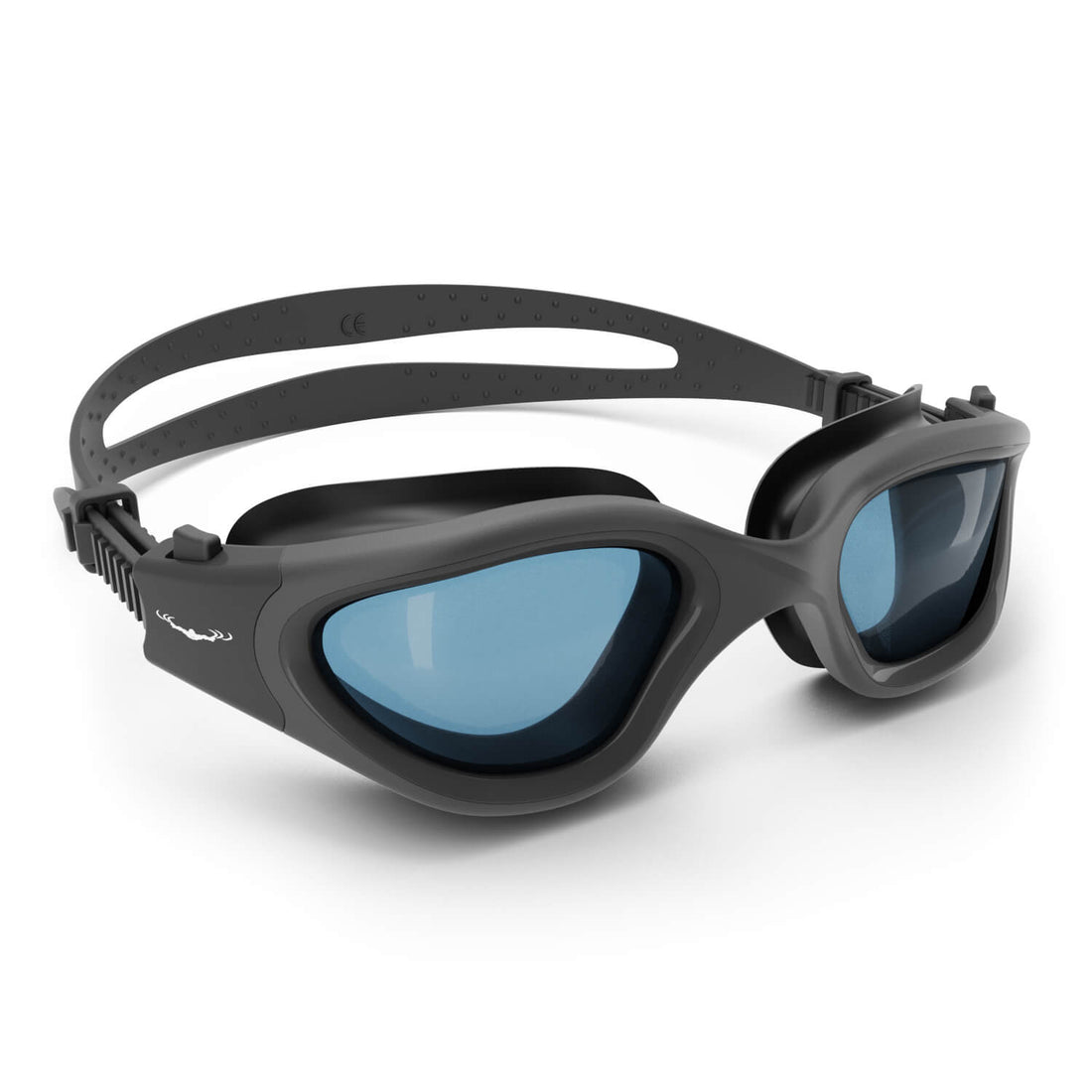
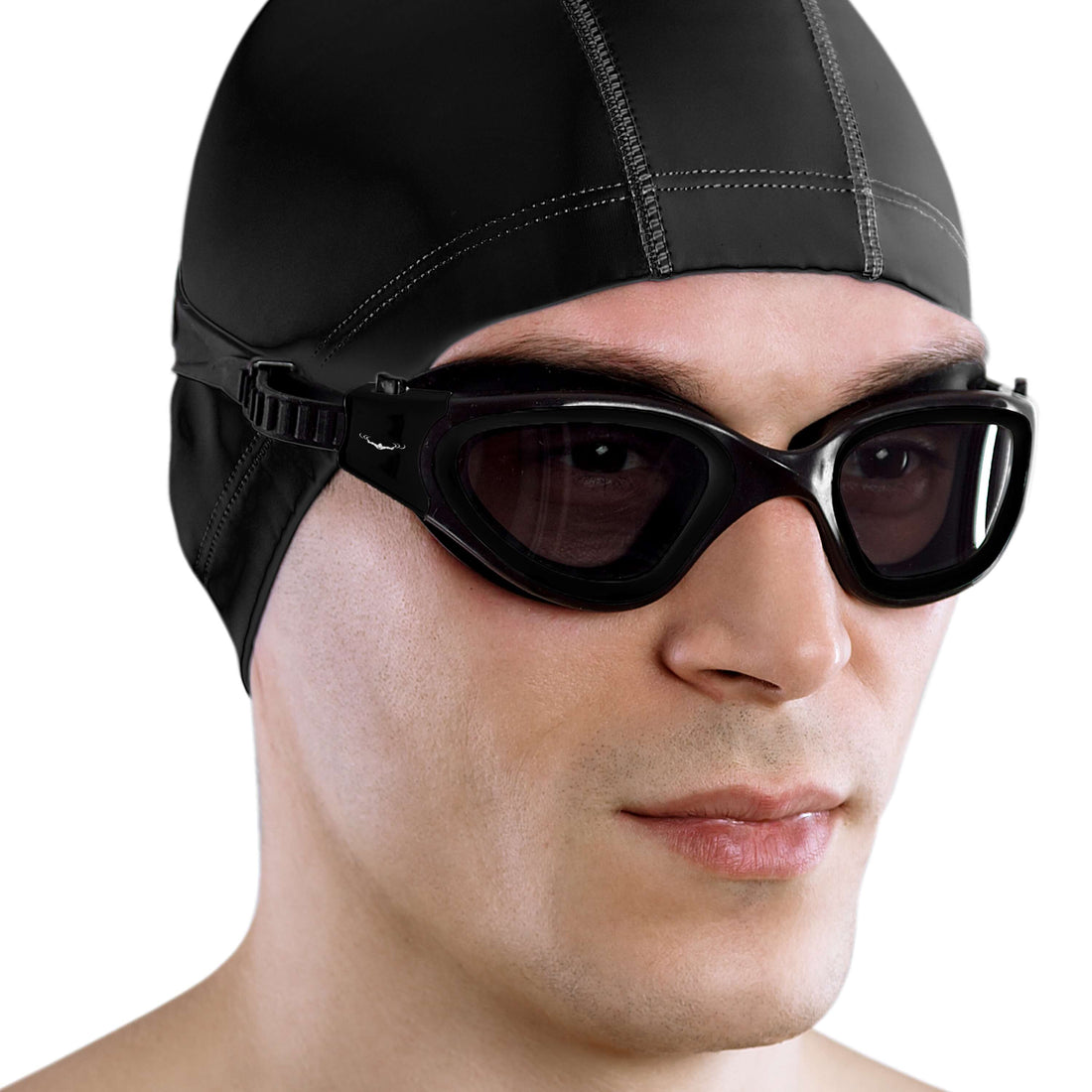
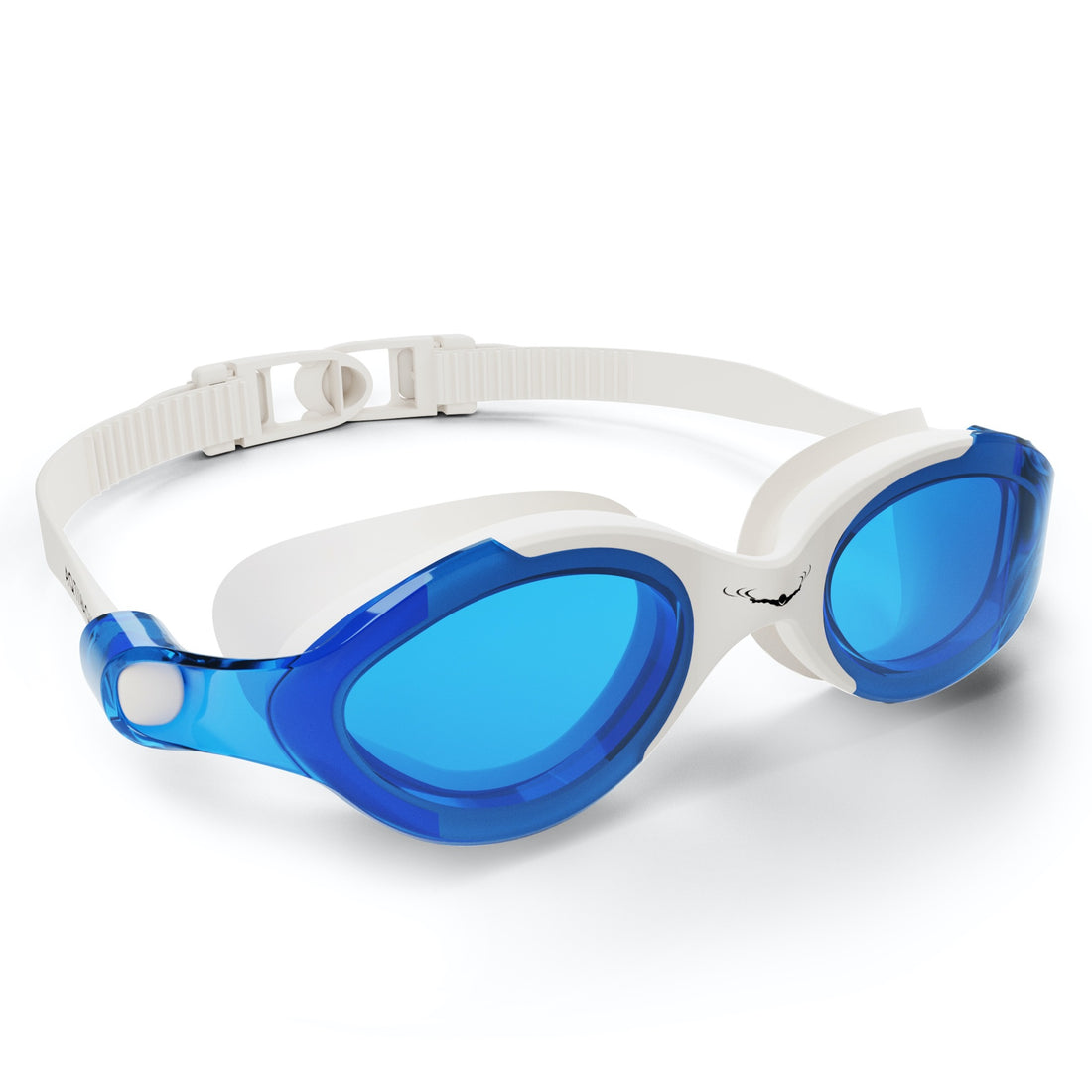
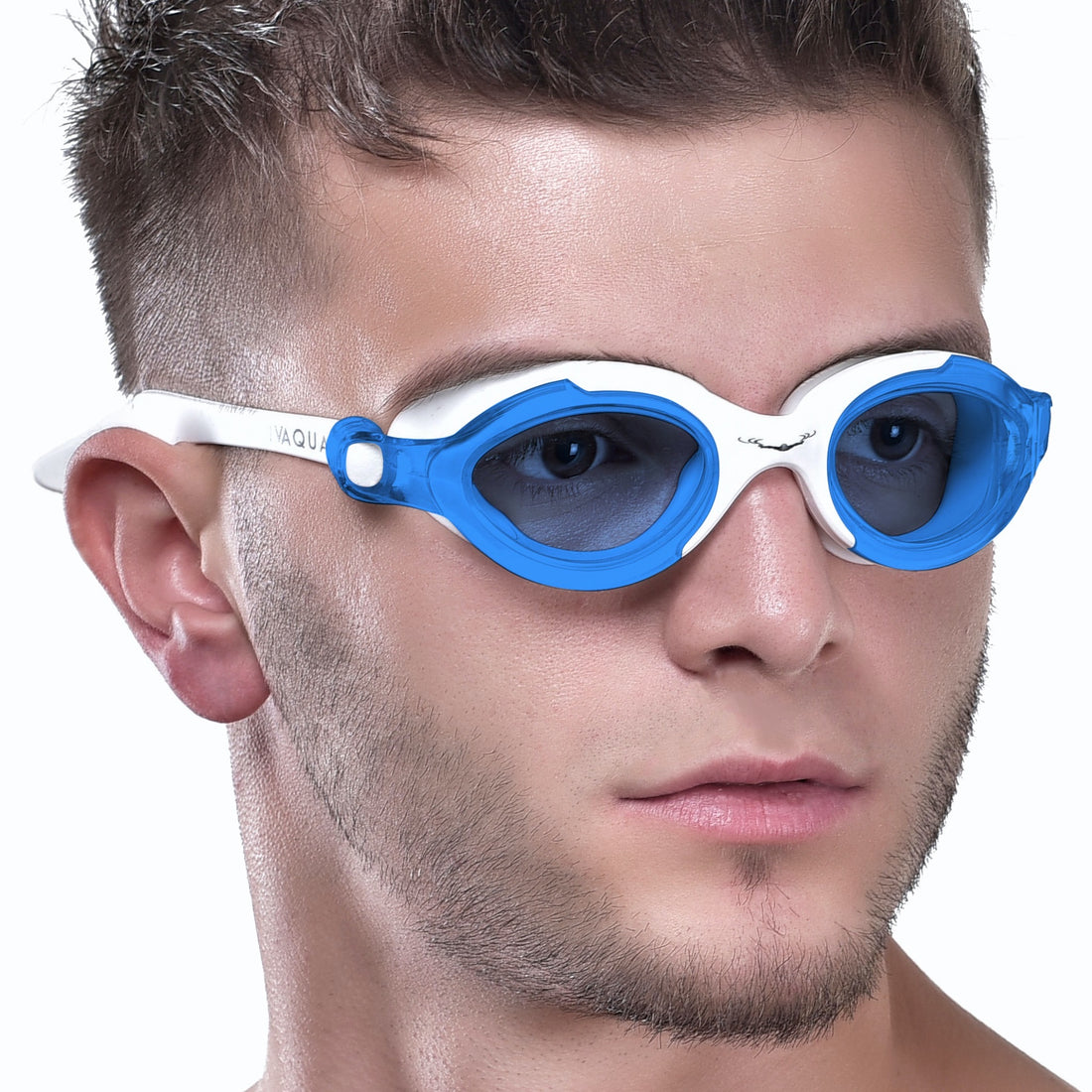
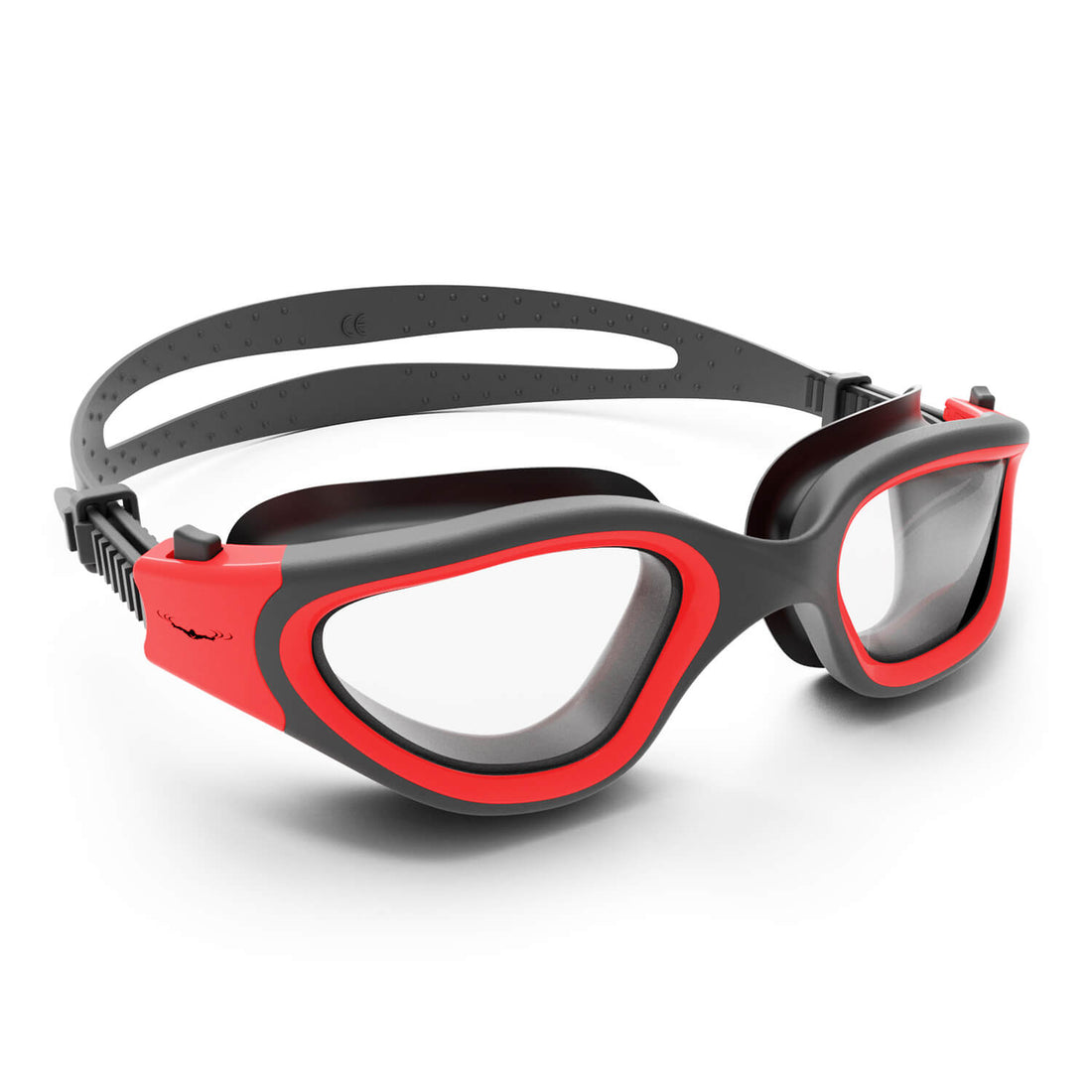
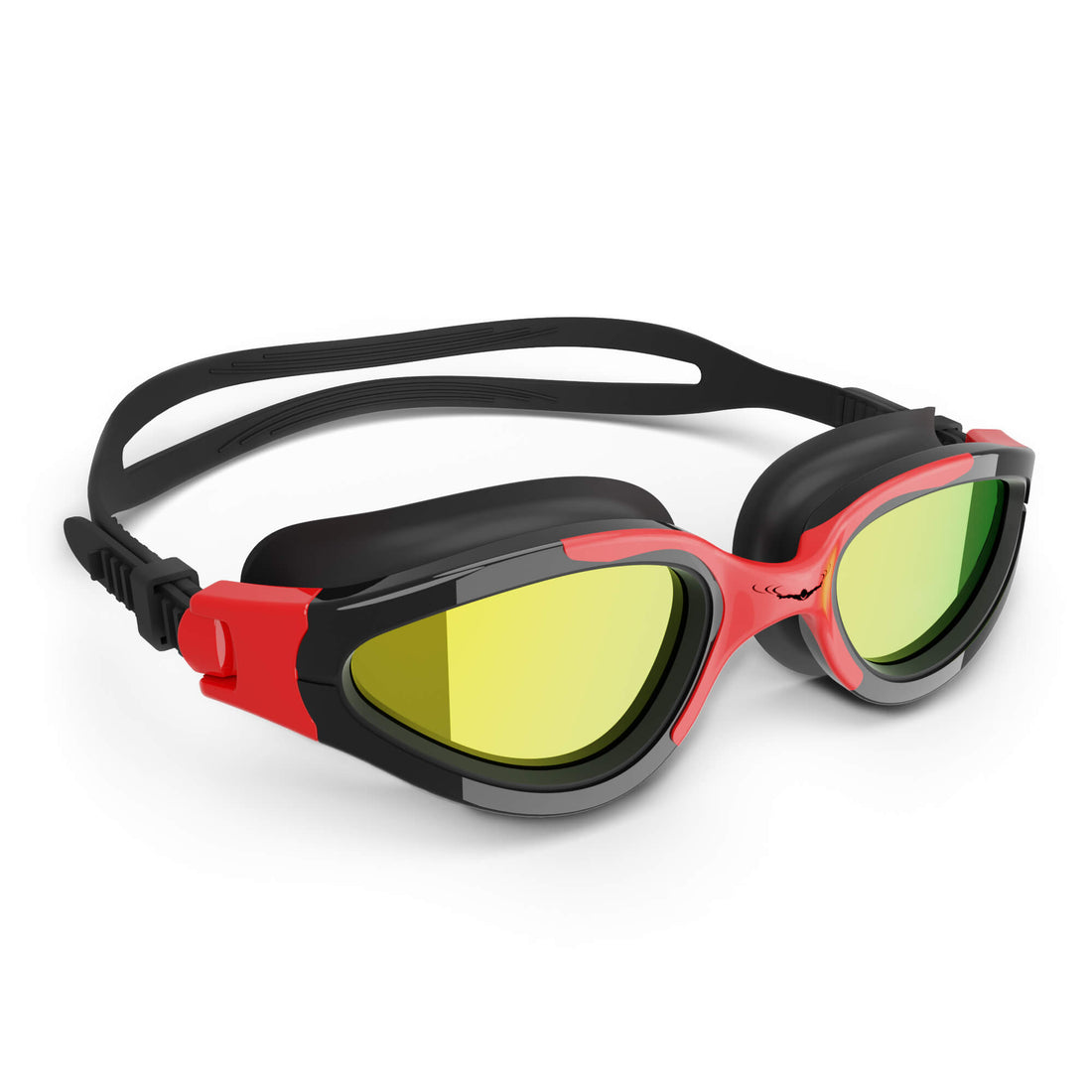
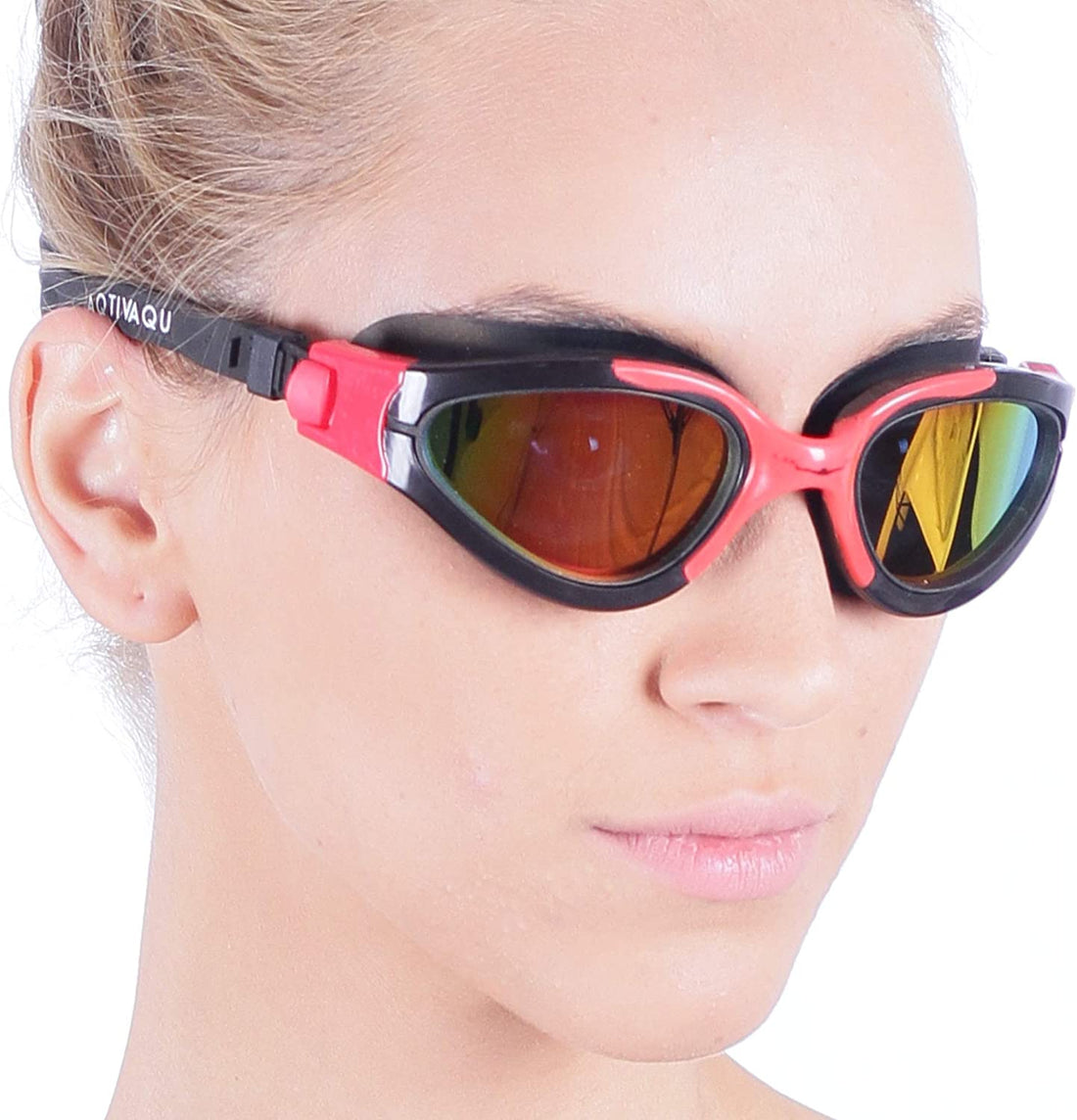
Another groundbreaking invention in competitive swimming is the swimming goggles. Introduced in the 30s, these simple yet effective devices have undergone modifications, significantly improving visibility and performance in the water. Today, swimming goggles are designed with an array of features, including anti-fog technology, UV protection, and even customizable lens tints to suit various swimming environments.
Training Techniques and Performance Enhancements
The training methodologies used by swimmers have also shifted dramatically throughout the years. The advent of yoga and high-altitude training has enhanced swimmers' abilities, while performance analytics tools help coaches track progress and refine strategies. With mental preparation and conditioning playing a substantial role, athletes are not only focusing on physical fitness but also nurturing their mental resilience.
Swimming Events: From Sprints to Marathons
Competitive swimming features a wide range of events, each with its unique demands on techniques, endurance, and skill. While sprint events like the 50m freestyle and 100m butterfly highlight explosive speed, marathon swims, such as the 10km open water event, test an athlete's endurance and mental fortitude.
Different Swimming Styles
There are four main strokes recognized in competitive swimming: freestyle, backstroke, breaststroke, and butterfly. Each has its strategies, techniques, and race formats, making competitive swimming a diverse and engaging sport.
- Freestyle: Known for its speed, this stroke allows swimmers to use any technique they prefer, typically the front crawl.
- Backstroke: Swimmers face upward, making it unique and challenging in terms of coordination.
- Breaststroke: Requires precise timing and technique, this event tests the swimmers' endurance and strength.
- Butterfly: Infamously known for being one of the most challenging strokes, it requires extraordinary strength and skill.
The Current Landscape of Competitive Swimming
Today, competitive swimming continues to captivate audiences worldwide. The sport has seen significant growth with the establishment of various leagues, clubs, and development programs aimed at nurturing young talent. Swimming has become an inclusive sport, with categorized events for persons with disabilities, fostering a sense of community and unity.
Influence of Global Competitions
Global competitions like the World Championships and the Olympics serve as paramount stages for swimmers, showcasing their skills on a grand platform. Elite swimmers from around the globe compete with unprecedented determination, breaking records, winning medals, and inspiring future generations.
The Role of Technology and Social Media
Technology plays a pivotal role in monitoring swimmer performance and engagement in the sport. Coaches utilize sophisticated analytics software to assess athlete movements, refine techniques, and hone strategies. Furthermore, social media platforms allow swimmers to connect with fans and share their journeys, inspiring and motivating others to participate in swimming.
The Future of Competitive Swimming
As competitive swimming continuously evolves, one can only imagine what innovations lie ahead. Future advancements may include even more incredible technologies for swimwear and training gear, as well as enhanced methodologies for mental preparation. One thing is certain, however: swimming will remain a beloved sport that transcends generations.
Paving the Way for Future Stars
With emerging talents, the future of competitive swimming looks bright. Community programs, national federations, and international organizations will play significant roles in the growth and promotion of the sport, ensuring that it remains accessible to everyone. As we celebrate the historical journey of competitive swimming, we also look forward to the exciting possibilities that await.
In this ever-changing landscape, the world of swimming continues to captivate hearts and minds. From its ancient roots to the latest technological advancements, the future of competitive swimming seamlessly blends tradition with innovation, guaranteeing that it will remain an exhilarating sport for generations to come.
Frequently Asked Questions
1. What is the history of competitive swimming?
2. When did competitive swimming make its Olympic debut?
3. What are the main strokes used in competitive swimming?
4. How has technology impacted competitive swimming?
5. What are the current trends in competitive swimming?
Glossary
| Term | Meaning |
|---|---|
| Competitive Swimming | A sport involving racing in water using various strokes. |
| Freestyle | The fastest swimming stroke, typically using the front crawl technique. |
| Backstroke | A stroke performed on the back, requiring unique coordination. |
| Breaststroke | A swimming style that emphasizes timing and technique. |
| Butterfly | One of the most challenging strokes, requiring strength and skill. |
| Olympics | International multi-sport event featuring swimming competitions. |
| Swimwear | Specialized clothing designed to enhance performance in water. |
| Swimming Goggles | Protective eyewear that improves visibility and performance underwater. |
| Training Techniques | Methods used to enhance swimmers' physical and mental performance. |
| World Championships | Global competition showcasing elite swimming talent. |
Linked Product

DX Wide View Swim Goggles + SHOCK Protective Case
The DX Wide View Swim Goggles feature clear 180° polycarbonate lenses that provide true-color visibility, ideal for indoor and low-light swimming environments. Designed for comfort and ease, these goggles offer a leak-free fit with adjustable straps, allowing for a secure and distraction-free experience during workouts. The included SHOCK protective case ensures quick-dry storage and durability, making it a reliable choice for competitive swimmers.
View Product